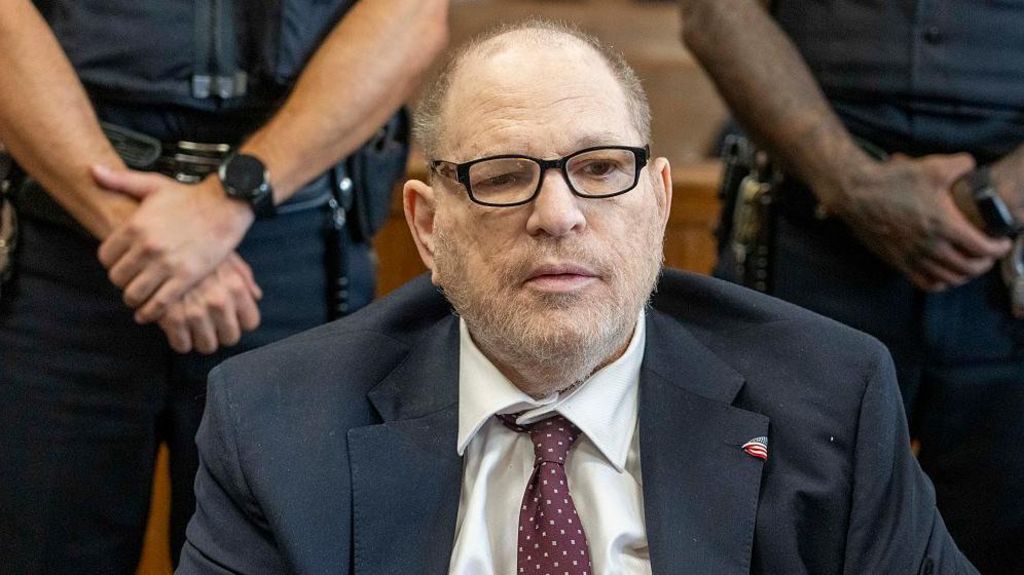
A New York judge has formally announced a mistrial in the high-profile sexual assault case against disgraced former Hollywood film producer Harvey Weinstein, after the jury confirmed it could not reach a unanimous verdict following three days of deliberations. The outcome marks the third time a New York jury has considered the rape allegation against the 74-year-old, who remains incarcerated on separate sexual violence convictions in California. The 2024 mistrial caps off a month-long trial centered on claims from aspiring actress Jessica Mann, who alleged that Weinstein raped her in a Manhattan hotel room more than 15 years ago. The case has a long and tangled procedural history: Weinstein was first convicted of the charge in 2020, but that verdict was thrown out by an appeals court in 2024 over unfair trial procedural errors. A 2024 retrial ended with another deadlocked jury, leading to this third proceeding. The core accusation from Mann, who testified during the trial, is that she entered a coercive relationship with Weinstein, who exploited his industry power to pressure her, and that he forced her into non-consensual sex during a 2013 encounter. Weinstein’s defense team has consistently maintained that all sexual interactions between the two were consensual. Manhattan District Attorney Alvin Bragg released a public statement following the ruling, noting that prosecutors are currently evaluating whether to pursue a fourth trial in the case. “While we are disappointed that the proceedings ended with a mistrial, we deeply respect the jury system and sincerely thank all of the jurors for their time and dedication,” Bragg said. He went on to thank Mann for stepping forward with her allegation, adding that the prosecution team will consult with Mann before deciding their next move, while also accounting for Weinstein’s upcoming sentencing in an unrelated New York sexual assault case. “As always, we will continue to prosecute crimes of sexual violence – no matter who the defendant is – in a survivor-centered manner that uplifts their voices in the pursuit of justice,” Bragg added. In response, Weinstein’s legal team framed the mistrial as evidence of deep-seated cultural bias against their client that makes a fair trial impossible. “The outcome shows how deeply public perception and prejudice surrounding Harvey Weinstein have become embedded in society,” the team’s statement read. “For some people, regardless of the evidence presented, saying ‘not guilty’ has become emotionally or socially impossible.” The defense called on the Manhattan District Attorney’s Office to abandon further prosecutions of the case and redirect its limited resources to pressing public safety issues that impact everyday New Yorkers. The deadlock was delivered to Justice Curtis Farber in a written note from the majority-male jury on Friday morning, which stated jurors had concluded they could not reach the required unanimous decision. Farber initially ordered jurors to return for additional deliberations, but ultimately ruled the jury was hopelessly deadlocked and had no path to a verdict. “I see no reason to go any further,” Farber said before thanking jurors and dismissing them from the case. The 2020 appeal that overturned Weinstein’s original conviction found that the trial judge had improperly allowed testimony from other women who made uncharged sexual misconduct allegations against Weinstein, violating his right to a fair trial. Following the overturned conviction, prosecutors obtained a new indictment against Weinstein focused on two accusers from the original trial: Mann and former television production assistant Miriam Haley. This most recent trial centered solely on Mann’s rape allegation. More than 100 women have come forward with public allegations of sexual misconduct, assault, and rape against Weinstein since the first accusations became public in 2017. Weinstein has repeatedly and consistently denied all allegations of non-consensual sexual activity. Even with the hung jury in this case, Weinstein remains in custody following a 2022 conviction in a separate California sexual assault case, a conviction that carries a 16-year prison sentence and makes it likely he will spend the remainder of his life behind bars. The allegations against Weinstein, and the collective decision of his accusers to speak out, are widely credited with sparking the global #MeToo movement, which has worked to hold powerful men across industries accountable for sexual harassment and abuse. Before the scandal broke, Weinstein was one of the most influential figures in Hollywood, co-founding the iconic production studio Miramax alongside his brother Bob. The studio produced dozens of award-winning and culturally influential films, including Pulp Fiction and Shakespeare in Love, which won the Academy Award for Best Picture. Weinstein has also faced a wave of civil litigation over the allegations. A 2020 class-action lawsuit brought by a group of his accusers resulted in a $19 million settlement for the claimants. In recent years, Weinstein has also battled serious health issues, including a 2024 diagnosis of bone marrow cancer.
Judge declares another mistrial in Harvey Weinstein New York rape charge