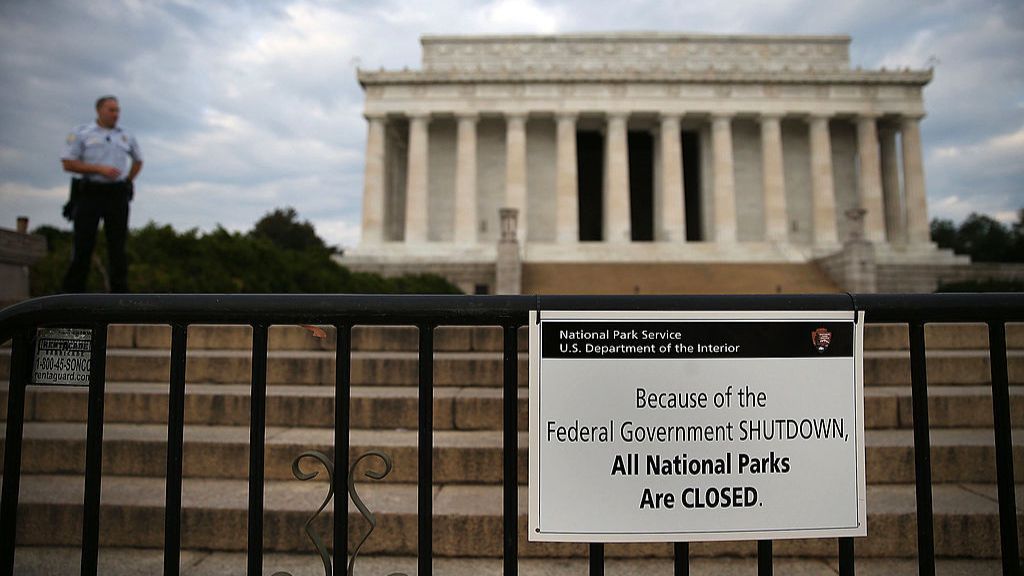
The US federal government has entered a shutdown following a deadlock between Republican and Democratic lawmakers over budget negotiations. This impasse, which threatens to extend beyond October, is set to disrupt various sectors, from air travel to national parks, and impact millions of Americans. Approximately 800,000 federal employees, representing 40% of the workforce, face unpaid leave, exacerbating financial strain on households. Air travelers may encounter prolonged security lines and delays as unpaid air traffic controllers and Transportation Safety Administration (TSA) workers, though deemed essential, may opt to stay home. Passport processing times are also expected to lengthen, complicating international travel plans. Federal employees, particularly those in non-essential roles, will bear the brunt of the shutdown, with no paychecks until the impasse is resolved. Agencies like the Centers for Disease Control and Prevention (CDC) and the National Institutes of Health (NIH) are likely to furlough staff, disrupting critical research. President Donald Trump, who has previously advocated for reduced government spending, warned that the shutdown could accelerate layoffs and curtail programs favored by Democrats. Contractors working for federal agencies will also miss out on work, with no guarantee of backpay. National Parks and Forests, which faced vandalism during the last shutdown, remain a contentious issue, with former park superintendents urging their closure to prevent further damage. Meanwhile, the Smithsonian Institution museums and the National Zoo will remain open temporarily, though non-essential services like webcams will be suspended. Social health programs such as Medicare and Medicaid will continue, but staffing shortages may cause service interruptions. Emergency disaster relief remains largely unaffected, but the National Flood Insurance Program’s closure could delay mortgages. Food assistance programs, including WIC and SNAP, are at risk of funding shortages, potentially leaving vulnerable populations without support. The shutdown’s ripple effects underscore the broader implications of political gridlock on public services and the economy.