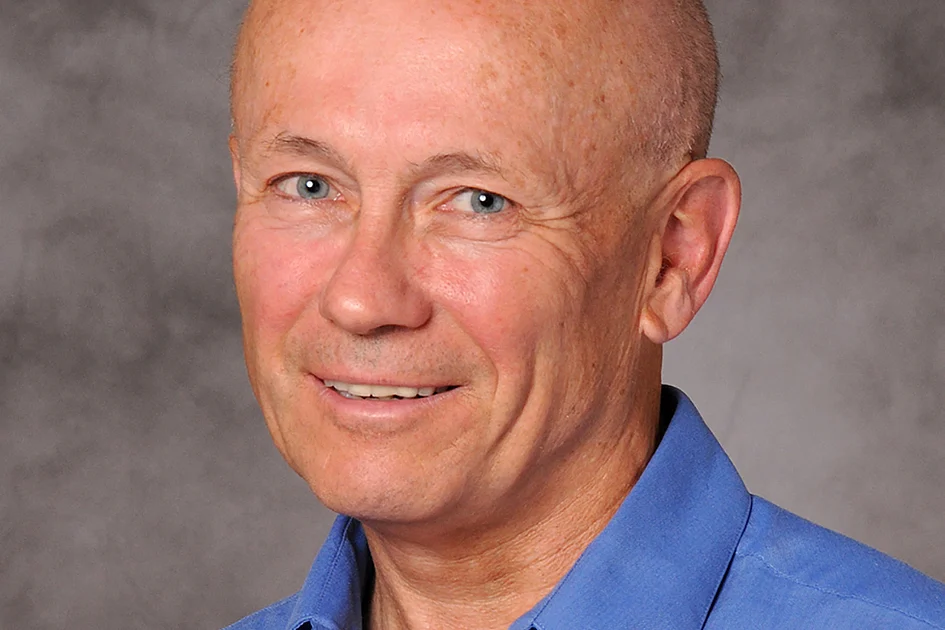
In a stark warning issued on Monday, Canadian economist Peter Howitt, a recent Nobel laureate, highlighted the dual-edged nature of artificial intelligence (AI). While acknowledging its ‘amazing possibilities,’ Howitt emphasized the urgent need for regulation to mitigate its potential to disrupt the labor market. His remarks come at a time of escalating global concerns about AI’s societal and economic impacts. Howitt, a professor emeritus at Brown University in the United States, was among three economists honored by the Royal Swedish Academy of Sciences for their groundbreaking work on how technology influences growth. His research, conducted in collaboration with French economist Philippe Aghion, delves into the theory of ‘creative destruction,’ where new innovations render older products obsolete, often displacing established companies. Speaking at a press conference, Howitt expressed uncertainty about AI’s future leadership and its broader implications. ‘It’s a fantastic technology with immense potential, but it also poses significant risks to highly skilled labor. This conflict necessitates regulation,’ he stated. He drew parallels to historical technological advancements, such as the telecoms boom of the 1990s and the advent of electricity and steam power, noting that while these innovations enhanced labor, their modern-day counterparts could lead to job displacement. Howitt admitted to lacking specific solutions but stressed that unregulated markets would fail to address these challenges effectively. Meanwhile, fellow Nobel laureate Joel Mokyr offered a more optimistic perspective, asserting that AI would not replace human labor but rather shift it toward more complex and engaging tasks. Mokyr, recognized for his research on the prerequisites for sustained technological growth, expressed greater concern about future labor shortages due to aging populations rather than technological unemployment. Howitt also reflected on his journey with Aghion, recalling their early confidence in the significance of their work. ‘Philippe always believed we’d win a Nobel Prize. Now, our time has come,’ he remarked, underscoring the profound impact of their research. As California Governor Gavin Newsom signed a pioneering law regulating AI interactions, the debate over AI’s role in society continues to intensify.