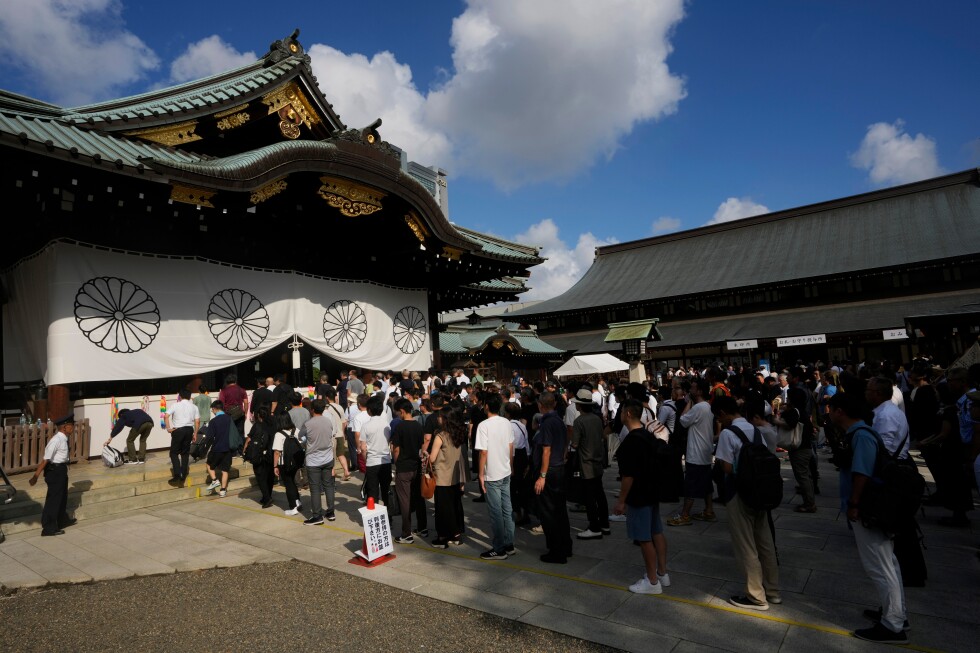
Diplomatic friction over Japan’s remembrance of its wartime past has flared again, following the arrest of a South Korean national at Tokyo’s controversial Yasukuni Shrine during the site’s annual spring festival this Wednesday. Japanese law enforcement officials confirmed the suspect was taken into custody on accusations of disrupting public event proceedings at the shrine.
Yasukuni Shrine holds a deeply divisive place in modern East Asian politics. The Shinto site honors 2.5 million Japanese individuals who died in conflicts over the past centuries, including 14 Class-A convicted World War II war criminals. For countries that suffered brutal Japanese imperial aggression before and during WWII — most notably China and the two Korean states — official and high-profile political visits to the shrine are widely interpreted as a deliberate refusal to acknowledge and apologize for Japan’s wartime atrocities.
According to details released by Japan’s Kyodo News agency, the 64-year-old South Korean suspect positioned himself at the shrine’s main entrance gate, directly in the path of vehicles transporting imperial messengers. The shrine confirmed on its official website that the messengers were tasked with bringing ritual offerings from Japan’s emperor to the shrine for the annual spring festival. The suspect unfurled a banner bearing two provocative political messages: one calling for the removal of convicted war criminals from the shrine’s roll of honor and an end to commemorative prayers for them at the site, and another asserting South Korea’s territorial claim to the island contested by Seoul and Tokyo, known as Dokdo in South Korea and Takeshima in Japan.
The arrest comes one day after a separate development that reignited regional criticism. Japanese Prime Minister Sanae Takaichi, who has a long history of regular personal visits to Yasukuni Shrine, opted to send a ritual ornament to the shrine for the second consecutive term as prime minister, rather than visiting in person. The move still drew sharp condemnation from both China and South Korea.
Hours after the arrest, a group of more than 100 Japanese right-wing lawmakers — including one sitting cabinet minister — carried out a planned group visit to pray at the shrine, a move that will likely escalate regional discontent over Japan’s approach to its wartime history further.