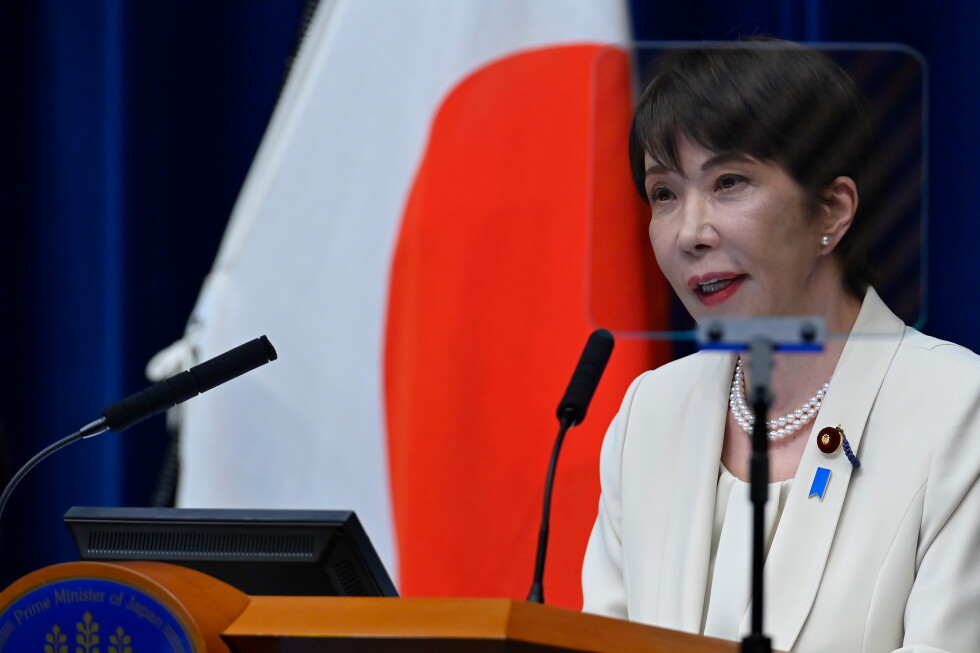
TOKYO — In a bid to reverse a dramatic breakdown in China-Japan relations triggered by a controversial statement on Taiwan from Japanese Prime Minister Sanae Takaichi that inflamed Beijing and spilled over to damage economic ties, a multi-party delegation of Japanese legislators departed for Beijing on Monday. The four-day visit, scheduled to run through Thursday, will see the group hold formal talks with officials from the Chinese Communist Party, in what supporters frame as an opening to restart frozen diplomatic communication.
The cross-party delegation includes Gaku Hashimoto, a former health and welfare vice minister from Takaichi’s own ruling Liberal Democratic Party, one lawmaker from the Komeito opposition, and a representative from the Centrist Reform Alliance (CRA). Shinichi Isa, the CRA spokesperson and a former diplomat posted to the Japanese Embassy in Beijing, spoke to reporters ahead of the delegation’s departure from Tokyo’s Haneda Airport, emphasizing the urgency of the mission.
“Communication has been severed in all areas, and we are already seeing negative impacts ripple across multiple sectors,” Isa told reporters. “Our goal is to find a path forward that can restart constructive dialogue between the two sides.”
The crisis erupted immediately after Takaichi took office, when she stated that a Chinese military action targeting Taiwan would qualify as a “survival-threatening situation” for Japan, potentially justifying the deployment of Japanese military force. The comment crossed a well-established red line for Beijing, which claims the self-governing island of Taiwan as its sovereign territory, and triggered furious pushback from Chinese authorities.
Weeks later, Isa warned on social media platform X that bilateral relations had fallen to their lowest point since the two countries normalized diplomatic ties in 1972. Unlike previous periods of tension, when low-level official communication remained open to prevent escalation, Isa noted that “now all official channels between government agencies and ministries have been completely cut off.” He added that the ongoing frozen relationship serves no national interest for either China or Japan, and confirmed that Beijing had granted the delegation’s request to open a limited “window for dialogue” between the two sides.
Earlier last week, China’s Foreign Ministry acknowledged that cross-party “people of insight” from Japan had recognized the severity of the current bilateral standoff and were seeking concrete steps to put relations back on a stable footing. “We urge those running the Japanese government to take these voices seriously … and take concrete actions to create the necessary conditions for normal exchanges between the two countries,” the ministry said in a statement Friday.
Takaichi has so far refused to retract her original comment on Taiwan. In a small conciliatory gesture amid rising tensions, however, she chose to pray remotely rather than make an in-person visit to Tokyo’s controversial Yasukuni Shrine during the annual Aug. 15 commemoration of Japan’s World War II surrender. The shrine, which honors convicted Japanese war criminals alongside the country’s war dead, is widely viewed by China and South Korea as a symbol of unrepentant Japanese wartime militarism and aggression.