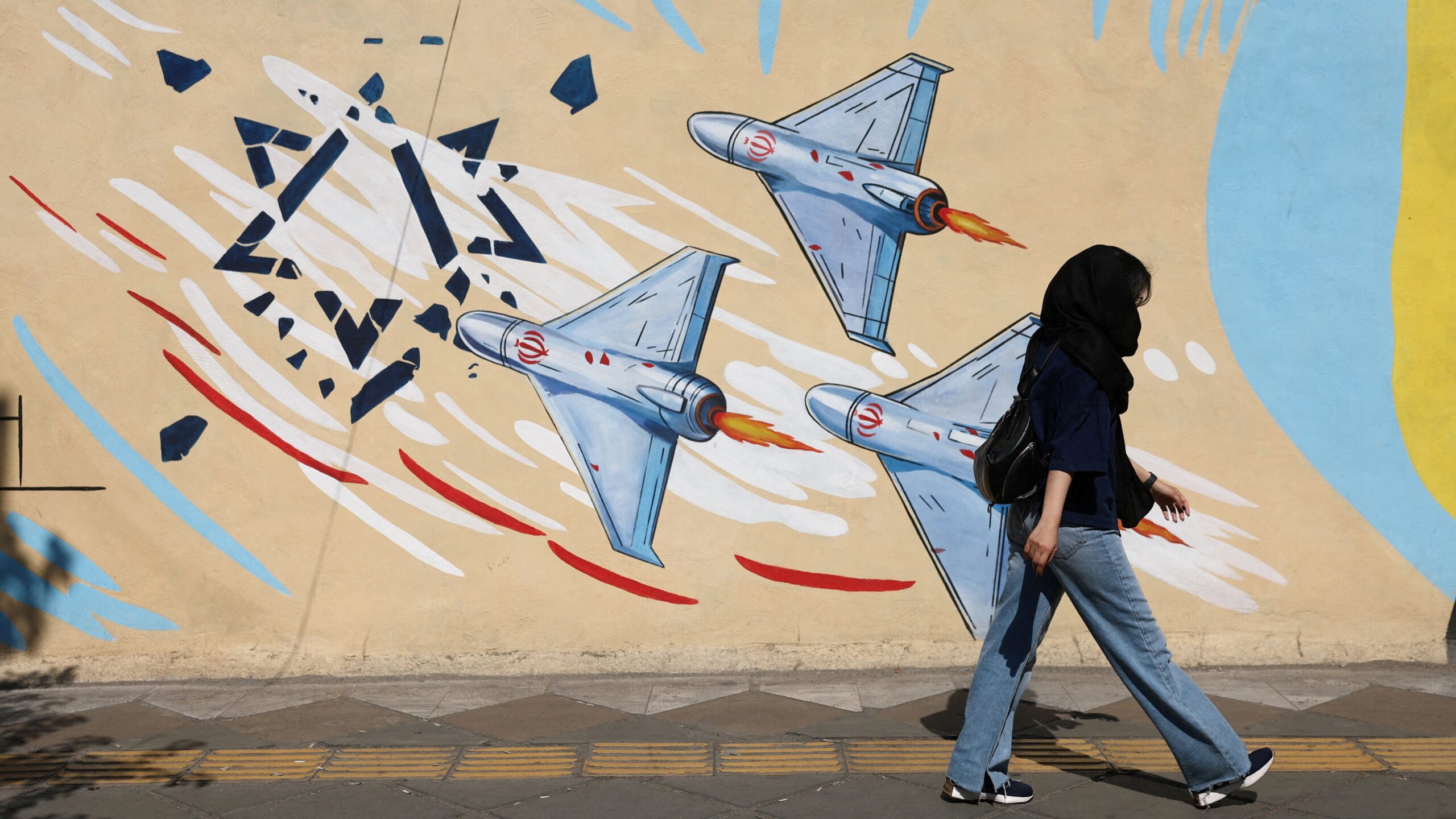
Israeli Prime Minister Benjamin Netanyahu is facing unprecedented domestic and strategic pressure after the recent US-Iran peace deal, with a senior Israeli government official openly casting doubt on the decision to launch the 12-day military operation against Iran last June. The official, speaking to Israeli broadcaster i24News amid surging public anger across the country, stated that if Israeli leadership had foreseen the eventual political outcomes of the campaign, it is extremely unlikely the operation would have ever been initiated. This public questioning from within the establishment underscores the deep rifts that have opened up in Israel’s political and security circles following the deal, which leaves Netanyahu confronting pushback from both the Iranian side and his own inner circles. The emerging agreement has sparked fierce criticism of the Netanyahu administration’s handling of tensions with Iran, prompting the prime minister to defend his long-standing stance in a press conference held Tuesday. Reaffirming his commitment to countering Iran’s nuclear ambitions, Netanyahu framed the issue as his lifelong mission. “For decades, I have been fighting against Iran’s efforts to arm itself with nuclear weapons. I can define it as my life’s mission. I have met this challenge to this day, and I will continue to meet it in the future,” he told reporters. Netanyahu doubled down on his justification for Operation Rising Lion, the 12-day campaign launched against Iran last June, claiming that Israeli strikes destroyed Iranian military and nuclear infrastructure worth billions, even trillions of dollars. He argued that the damage set back decades of Iranian development and delivered a crippling blow to Tehran’s strategic ambitions. Most critically, he asserted, the operation prevented what would have been an existential threat to Israel. “But here is the most important thing: we saved the State of Israel from the threat of nuclear annihilation,” he added. “Because, it is crucial to understand, Iran was racing toward a nuclear weapon just before Operation Rising Lion; it was racing toward a nuclear weapon and racing to bury its missile and nuclear industry deep underground.” Public discontent boiled over after Pakistan announced the US-Iran peace agreement late Sunday, with widespread anger across Israeli society directed at Netanyahu and his cabinet. Beyond public backlash, security and regional experts have issued stark warnings about the long-term implications of the deal, arguing that it will allow Iran to consolidate its position as a dominant regional power. Alon Ben David, a veteran military correspondent for Israel’s Channel 13 News, warned that the new agreement could undermine Israel’s strategic standing across the Middle East, with consequences that will stretch across generations. “This is a dramatic day for Israel and for generations to come,” he said, noting that the agreement “marks a turning point in the Middle East.” Other military analysts and economic commentators have echoed these concerns, arguing that the costly, inconclusive war has ultimately left Tehran more emboldened than before, amounting to a clear strategic defeat for Netanyahu and his government.