A historic Thursday verdict from the International Court of Justice, the United Nations’ highest judicial body for inter-state disputes, formally established Myanmar’s state-level responsibility for perpetrating genocide against its Rohingya ethnic minority, marking the very first time the global top court has issued a formal finding of state accountability for the crime of genocide. This groundbreaking judgment has immediately triggered deep apprehension among senior Israeli government representatives and leading domestic international law specialists, who warn it could set consequential legal precedents that will shape the trajectory of the ongoing genocide proceedings against Israel initiated by South Africa in December 2023 over its military campaign in Gaza.
A senior Israeli official speaking to Israeli news outlet Ynet described the ruling as a “dangerous precedent” that creates new legal benchmarks, noting that while the circumstances of Israel’s Gaza case are far more complex than the Myanmar scenario, the verdict opens a legal pathway that runs counter to Israel’s interests. A second senior Israeli official, speaking to public broadcaster Kan 11, framed the ICJ’s Myanmar decision as a symptom of “worrying trends” within the UN court, yet maintained confidence that Israel will ultimately evade a parallel genocide ruling, claiming the country can pass any rigorous legal scrutiny because it has never committed acts of genocide. This official also projected that a final, full judgment in the South Africa-filed Gaza case will not be handed down until no earlier than 2030.
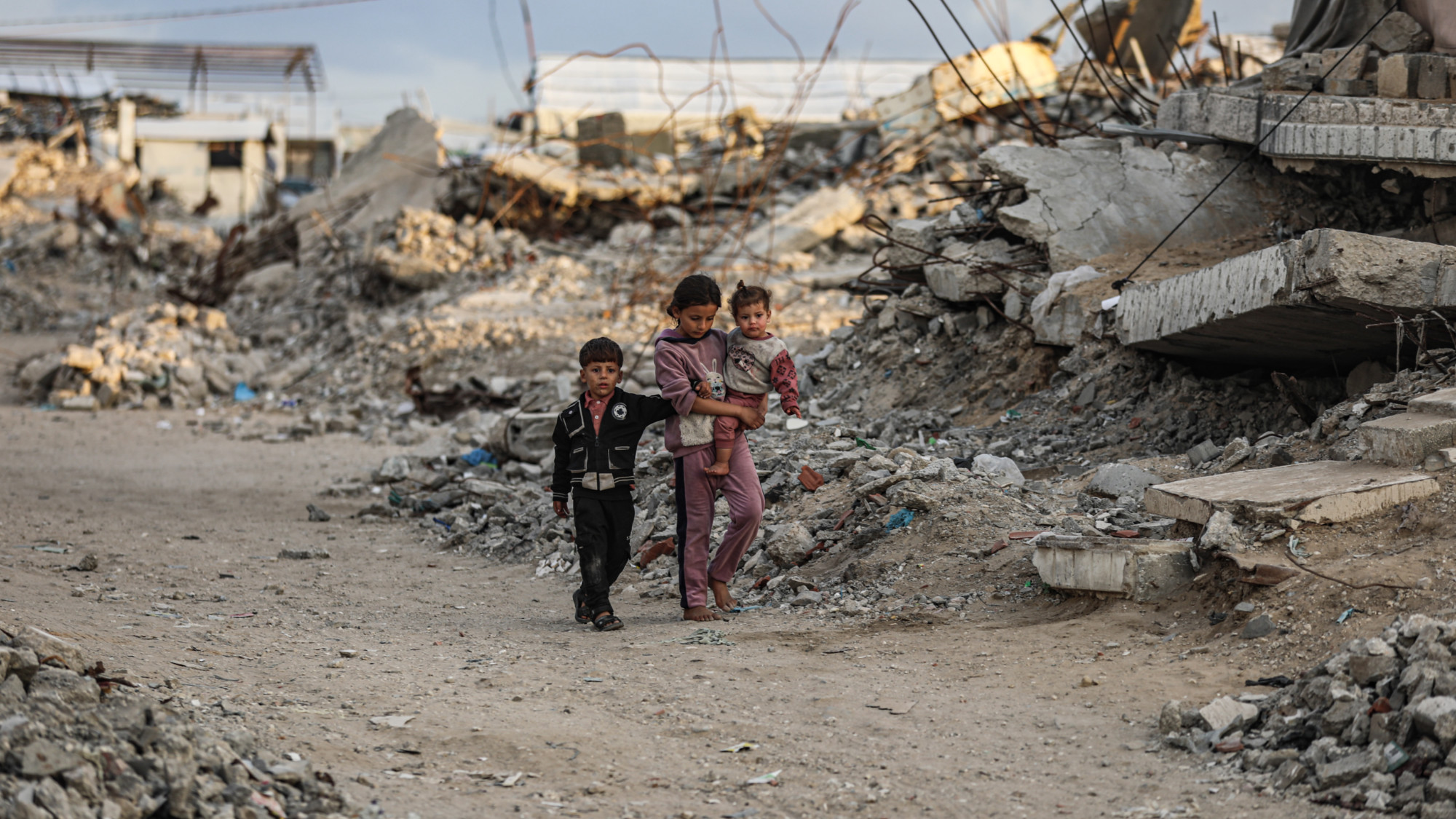
Since Israel launched its large-scale military offensive across the Gaza Strip in October 2023, in response to the cross-border attacks led by Hamas on October 7 of that year, a wide coalition of UN human rights officials, globally recognized genocide scholars, and leading international humanitarian organizations have publicly accused Israel of carrying out genocidal acts against the Palestinian population trapped in the besieged enclave. As of the latest available tallies, the Israeli military campaign has resulted in the deaths of more than 74,000 Palestinian civilians, the vast majority of whom are children, women, and elderly people. Multiple independent monitoring groups have also documented that Israel has systematically deployed starvation as a weapon of war, cutting off access to food, clean water, medical supplies, and other life-sustaining basic necessities for Gaza’s civilian population, while relentless airstrikes and widespread use of military bulldozers have reduced most of the territory’s residential, medical, and civic infrastructure to rubble.
Echoing the concerns voiced by government officials, leading Israeli international law scholars have outlined specific legal mechanisms through which the Myanmar ruling could disadvantage Israel in its pending ICJ proceedings. Yuval Shany, a prominent international law professor at the Hebrew University of Jerusalem, told Ynet that the verdict represents a meaningful shift in how the ICJ evaluates evidence of genocide, moving away from narrow, fragmented assessment of individual acts to a holistic, contextual review of all surrounding circumstances, where the court is empowered to draw the most reasonable cumulative inference from the full body of evidence. Shany also noted that the ruling signals the court’s growing willingness to classify forms of severe non-lethal harm to targeted groups as valid constituent elements of the genocide crime, rather than only counting fatal acts.
Alan Baker, director of the Institute for Diplomatic Affairs at the Jerusalem Centre for Security and Foreign Affairs, a leading Israeli national security think tank, dismissed South Africa’s genocide allegations against Israel as unfounded, but acknowledged that the new ICJ precedent creates tangible risks. He warned that shifting political tides and prevailing public sentiment across the international community could influence how the court adjudicates the Gaza case moving forward, and urged Israeli authorities to ramp up coordinated preparation across both legal and diplomatic channels to mitigate these risks.
Tammy Caner, who heads the Law and National Security Programme at the respected Institute for National Security Studies (INSS), emphasized that the most impactful component of the Myanmar ruling for Israel is the new standard the court used to assess the “specific intent” that is a required legal element to prove genocide. Caner explained that the ICJ’s judgment makes clear that merely presenting a stated military objective to dismantle and eliminate Hamas will not automatically be sufficient to refute allegations of genocidal intent against Israel. She also highlighted that the ruling reinforces the ICJ’s longstanding position that all UN member states bear a binding legal obligation to actively prevent genocide, including launching full, transparent investigations into alleged atrocities and holding individual perpetrators accountable. For Israel, Caner noted, this means the ruling underscores the critical importance of proactively implementing and thoroughly documenting all tangible preventive and law enforcement measures to address potential violations during its military operations in Gaza.