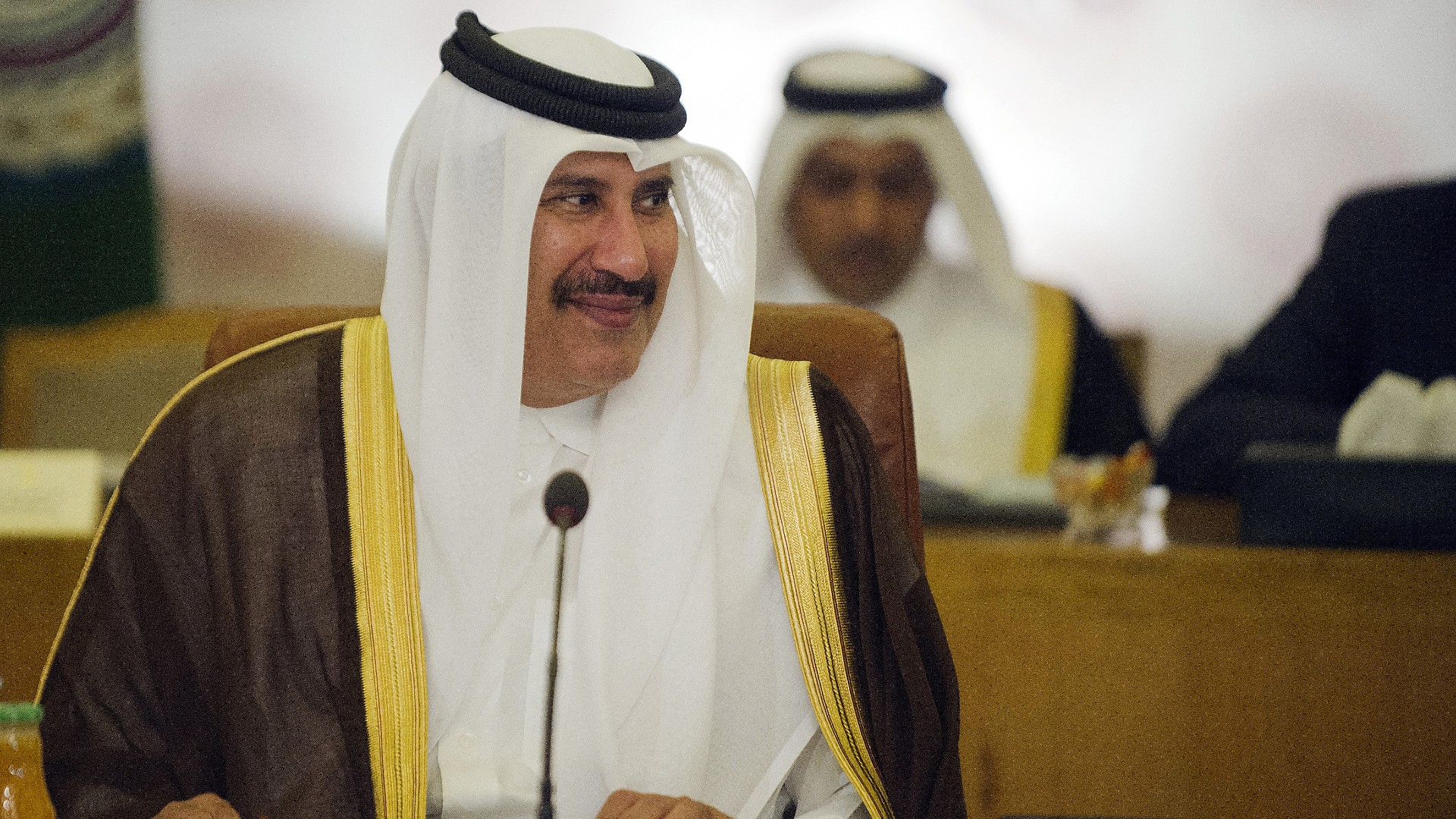
In a high-stakes interview on Al Jazeera’s flagship current affairs program *Al Muqabala*, one of Qatar’s most influential veteran statesmen has laid out a stark assessment of Middle East geopolitics, framing the ongoing conflict with Iran as the culmination of 30 years of Israeli efforts to redraw the region’s map by force.
Sheikh Hamad bin Jassim Al Thani, who previously served as both Qatari prime minister and foreign minister, outlined how Israeli hardliners led by Prime Minister Benjamin Netanyahu have worked since the 1990s Bill Clinton administration to pressure Washington into launching a full-scale war against Iran over its nuclear program. For decades, successive U.S. governments — including even the first administration of Donald Trump — resisted calls for an all-out conflict, but Sheikh Hamad says Netanyahu ultimately succeeded in persuading the current U.S. administration to back the campaign by selling a false narrative of quick victory.
“He convinced the U.S. administration that the war would be short and swift, and that the Iranian regime would fall within weeks,” he said, drawing a parallel to flawed U.S. assumptions around regime change in Venezuela. The former diplomat added that Washington’s greatest strategic strength has always lain in its ability to avoid unnecessary military intervention, not in its willingness to deploy force, noting that Netanyahu stands as the primary beneficiary of the conflict, using it to advance his long-held goal of expanding Israeli territory to form a “Greater Israel”.
Since the U.S.-Israeli campaign launched on February 28, Iran has retaliated with strikes targeting Gulf nations including Qatar, as well as U.S. military bases, critical energy infrastructure, and civilian sites across the region. Sheikh Hamad explicitly condemned Iran’s attacks on civilian, industrial and energy facilities, while acknowledging that Gulf states have repeatedly voiced opposition to the current conflict. Despite widespread outrage over the strikes, he argued that geographic proximity makes long-term coexistence with Iran unavoidable, requiring sustained dialogue between Gulf governments and Tehran.
Most notably, Sheikh Hamad argued that internal disunity among Gulf nations poses a greater threat to regional stability than Iran, Israel, or foreign military presences in the region. To counter this risk, he called for the urgent establishment of a unified “Gulf NATO”, a cohesive security bloc anchored by Saudi Arabia that brings together strategically aligned Gulf states.
He explained that while the U.S. security umbrella has provided regional deterrence for decades, Washington’s growing strategic pivot to the Indo-Pacific and its focus on countering China means Gulf nations can no longer rely indefinitely on American protection. Instead, he argued the bloc should pursue deep strategic partnerships with key regional powers including Turkey, Pakistan, and Egypt.
Turning to the ongoing crisis in Gaza, Sheikh Hamad condemned what he called Israel’s genocidal war in the enclave, revealing that intelligence indicates Israel is deliberately plotting to depopulate Gaza by encouraging Palestinian residents to leave. He stressed that any negotiations on the disarmament of Hamas must be tied to a clear political roadmap leading to the creation of an independent Palestinian state. He also praised Saudi Arabia’s decision to reject normalization of relations with Israel until such a plan is in place, noting that this principled stand has upended Netanyahu’s long-term strategic calculations.