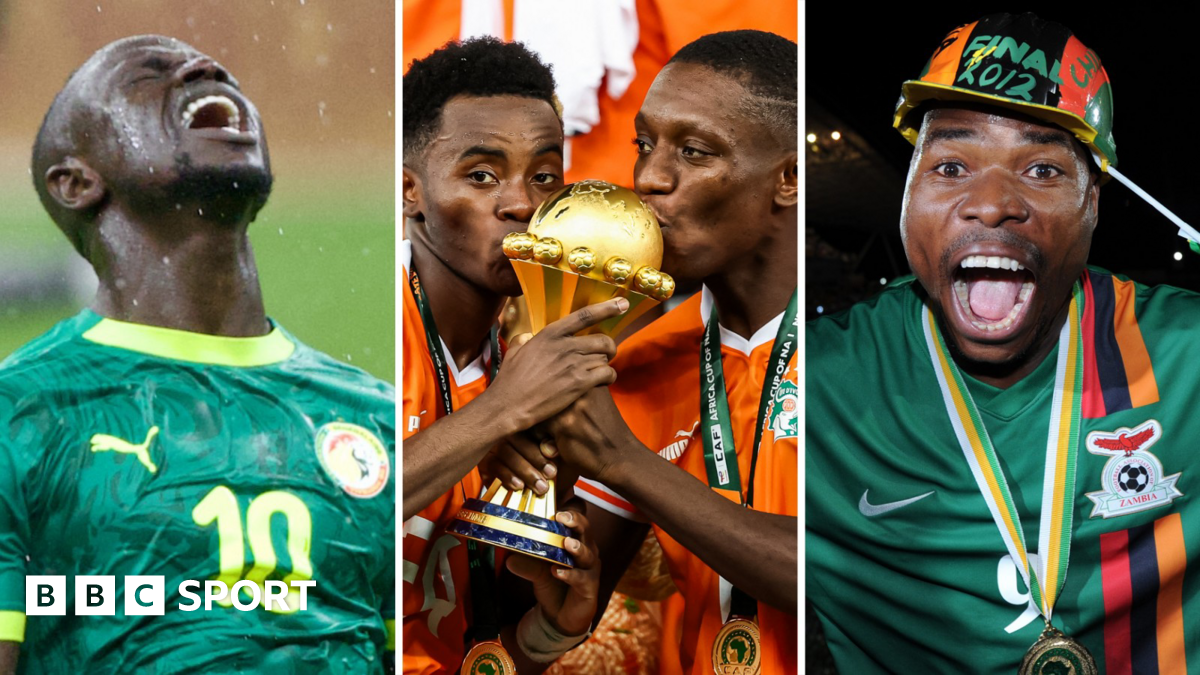
The Confederation of African Football (CAF) has announced revolutionary structural changes to its competition calendar, headlined by transitioning the Africa Cup of Nations (AFCON) from a biennial to a quadrennial event starting after the 2028 edition. The seismic shift, confirmed by CAF President Patrice Motsepe, coincides with the creation of an annual African Nations League set to debut in 2029.
The decision, finalized after extensive consultation with FIFA, concludes the tournament’s 67-year history as a primarily two-year event. Motsepe defended the controversial move as essential for synchronizing with the global football calendar and serving “the best interests of African football.” The announcement has sparked vigorous debate across the continent’s football community, revealing sharp divisions between stakeholders.
Mali coach Tom Saintfiet emerged as an early critic, labeling the change “totally wrong” and accusing CAF of prioritizing European club interests. This perspective finds support among active players, including Senegal captain Kalidou Koulibaly, who noted the biennial schedule had been “amazing for continental development.”
Conversely, Ivory Coast manager Emerse Fae suggested the extended interval might benefit African football’s growth, while Burkina Faso captain Bertrand Traore acknowledged mixed reactions from players depending on career stages. The transition also signals the termination of the African Nations Championship (CHAN), which Motsepe described as a “spectacular money-loser” despite its role in developing local talent.
Financial considerations appear central to CAF’s calculus. The organization reported substantial revenue growth from recent AFCON tournaments, with the 2025 edition forecast to generate $114 million—a significant increase from previous cycles. Motsepe indicated the Nations League would outperform AFCON financially, though specific projections remain undisclosed.
The restructured calendar aims to address persistent scheduling conflicts with European leagues while creating more competitive opportunities through regionally-based Nations League divisions. This format promises to revive historic rivalries like Ghana-Nigeria, who’ve met only five times competitively in twenty years.