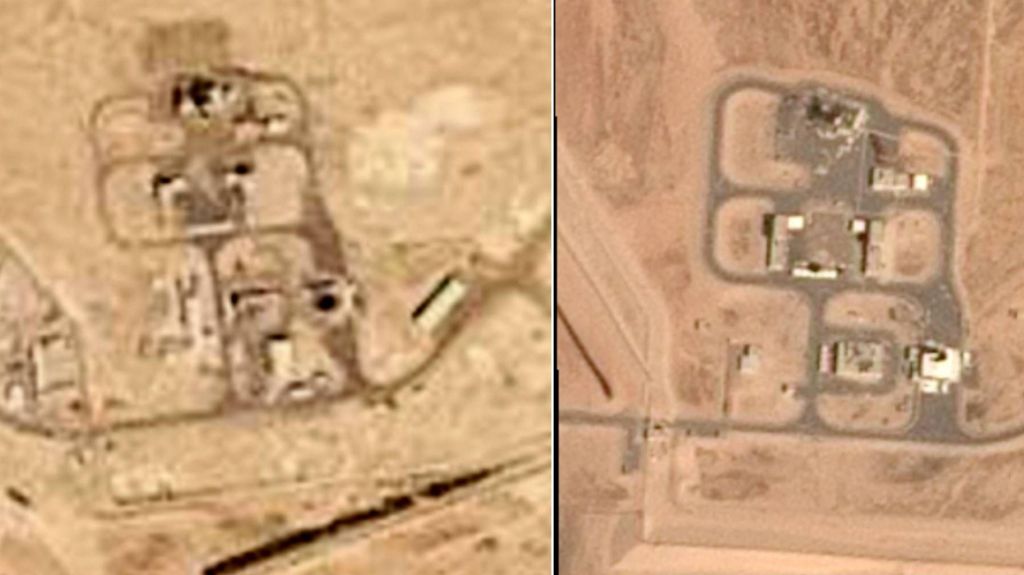
New analysis reveals Iranian retaliatory strikes have caused approximately $800 million in damage to US military installations across the Middle East during the initial phase of the ongoing conflict. The assessment, conducted jointly by the Center for Strategic & International Studies (CSIS) and BBC Verify, demonstrates the substantial financial impact of Iran’s targeted campaign against American assets in the region.
The damage primarily occurred during the first week of hostilities following the joint US-Israeli offensive initiation on February 28. According to CSIS senior adviser Mark Cancian, ‘The damage to US bases in the region has been underreported. Although that appears to be extensive, the full amount won’t be known until more information becomes available.’
Iran’s strategy has focused on disabling critical defense infrastructure, particularly air-defense and satellite-communication systems. A single strike on a THAAD missile defense radar system at a Jordanian air base accounted for $485 million of the total damage, based on defense budget documentation reviews. Additional strikes caused approximately $310 million in damage to buildings, facilities, and supporting infrastructure across multiple bases.
Satellite imagery analysis confirms Iran’s pattern of repeated strikes on three key air bases: Ali Al-Salim in Kuwait, Al-Udeid in Qatar, and Prince Sultan in Saudi Arabia. These targeted attacks demonstrate Iran’s systematic approach to degrading specific US capabilities. Intelligence sharing between Russia and Tehran has reportedly enhanced the precision of these operations.
The conflict has resulted in significant human casualties, with 13 US military personnel killed and an estimated overall death toll of 3,200, including 1,400 civilians according to Hrana. President Trump maintains that US objectives of dismantling Iran’s nuclear program and reducing its conventional military capabilities are being achieved.
Financial implications extend beyond direct damage, with the Pentagon reporting $16.5 billion in total war costs during the first twelve days of conflict. Defense Secretary Pete Hegseth has requested an additional $200 billion in funding, acknowledging that the figure ‘could move’ as operations continue.
The near-closure of the Strait of Hormuz has created global economic disruptions, while uncertainty persists regarding potential ground troop deployments and conflict duration. Satellite imagery restrictions imposed by US-based providers have complicated damage assessment efforts, though visible evidence confirms destruction of critical radar components and protective enclosures at multiple facilities.