A four-day shutdown of a British power plant carried out by hackers with alleged ties to Iran marks an unprecedented escalation in cyber conflict between Tehran and Western powers, the Sunday Telegraph has reported. Cybersecurity and government analysts note the incident is believed to be the first successful disabling of a United Kingdom energy facility by actors linked to the Iranian government, coming on the heels of a coordinated wave of cyber intrusions targeting American water infrastructure across at least 12 U.S. states last month that triggered urgent security briefings at the White House.
British authorities have declined to publicly identify the specific facility targeted in the attack, citing ongoing national security confidentiality requirements. A spokesperson for the UK Department for Energy Security and Net Zero clarified that the cyber operation only affected a small-scale energy generator, and that no systemic risk to the UK’s broader national energy network was ever posed. The UK’s National Cyber Security Centre (NCSC), the agency responsible for defending critical national infrastructure from cyber threats, confirmed that no public power outages occurred as a result of the breach.
Following the incident, Downing Street has held closed-door security briefings for chief executives of all major UK power companies and distributed formal guidance to private sector critical infrastructure operators outlining enhanced defensive protocols and next steps for threat mitigation.
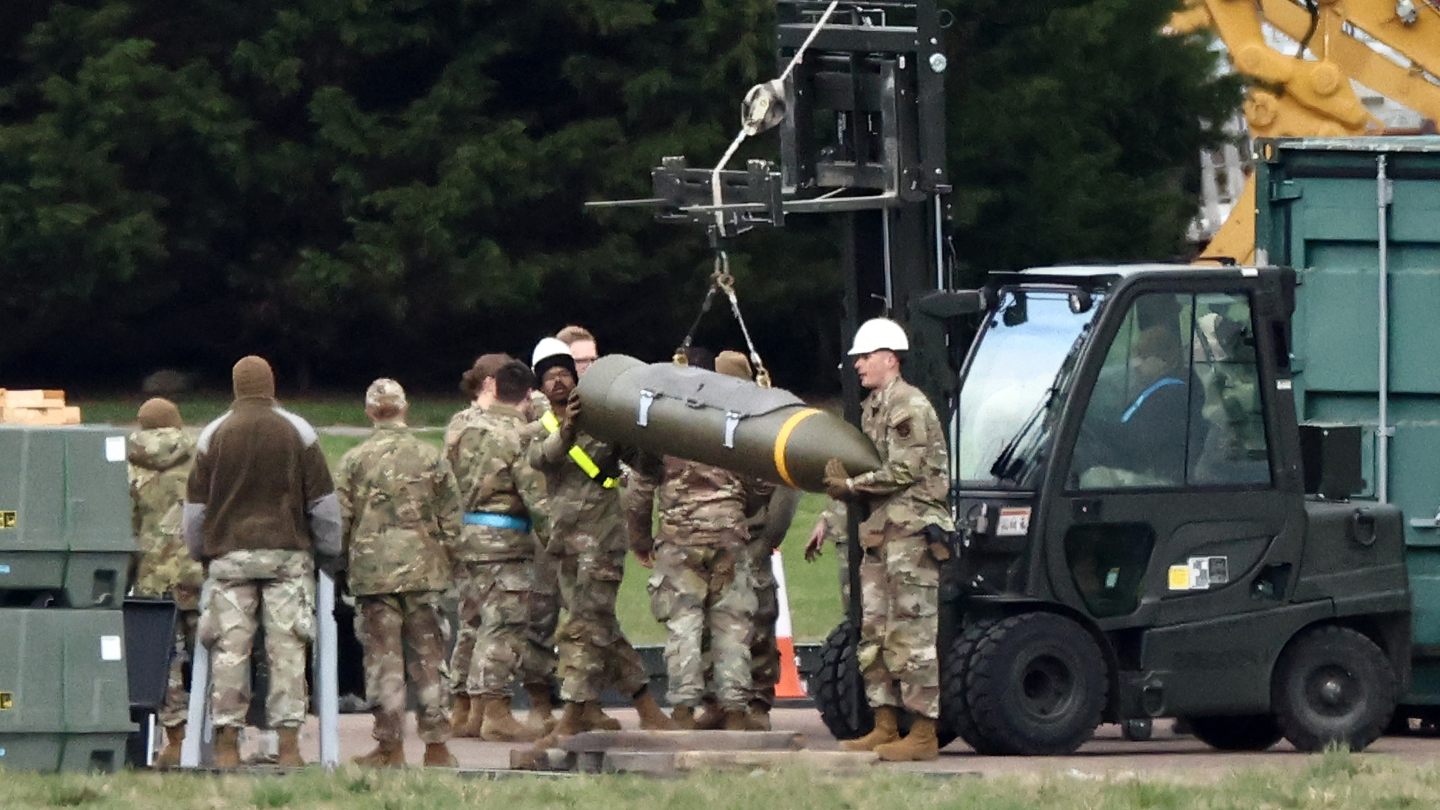
Security analysts link the attack to a recent shift in UK foreign policy that granted the United States permission to conduct offensive defensive operations against Iranian targets from UK military bases. In March, Keir Starmer’s new Labour government authorized the U.S. military to use two key British facilities — the Royal Air Force base at Fairford in Gloucestershire, and the joint UK-US facility on Diego Garcia in the Indian Ocean — for limited strikes against Iranian missile sites that posed direct threats to British personnel, regional allies, and British sovereign assets. That authorization was later expanded to allow U.S. strikes on active Iranian missile infrastructure targeting commercial shipping lanes in the strategic Strait of Hormuz, a chokepoint through which roughly 20% of the world’s oil supplies pass daily.
The pattern of Iranian-linked cyber retaliation against Western infrastructure already emerged earlier this year. In June, an Iran-aligned hacker-activist group called Handala claimed responsibility for a cyber intrusion into California water facilities, saying the action was carried out in retaliation for reported U.S. strikes on water infrastructure in southern Iran. The group announced it had exfiltrated large volumes of data from compromised systems, framing the breach as a formal warning to Washington. While Handala claimed it held the capability to disrupt public water supplies across California, the group said it chose not to cut off service to U.S. cities, asserting that it adheres to a different ethical standard than the United States and its allies. To prove the intrusion was successful, Handala published five gigabytes of stolen data from the compromised systems.
This is not the first high-profile operation carried out by Handala. In April, the group claimed to have stolen more than 19,000 sensitive files after hacking the personal smartphone of Herzi Halevi, the chief of staff of the Israel Defense Forces. In a public statement posted to its website at the time, the group boasted that “All your top-secret facilities, crisis rooms, maps, and even the tiniest details of your command centres have long been like an open book to us.” Portions of the stolen files reviewed by independent Middle Eastern news outlet Middle East Eye confirmed the documents included records of secret meetings between Halevi and senior Arab officials, including an undated photograph of Halevi meeting with former U.S. Central Command chief Michael Kurilla in Qatar.