WASHINGTON — U.S. lawmakers confront a constitutional dilemma as they prepare to authorize emergency funding for Operation Epic Fury without formal congressional war declaration. The Trump administration has provided no clear timeline, expenditure projections, or strategic endgame for the ongoing military engagement with Iran, leaving legislators to approve resources amid profound uncertainty about financial and human costs.
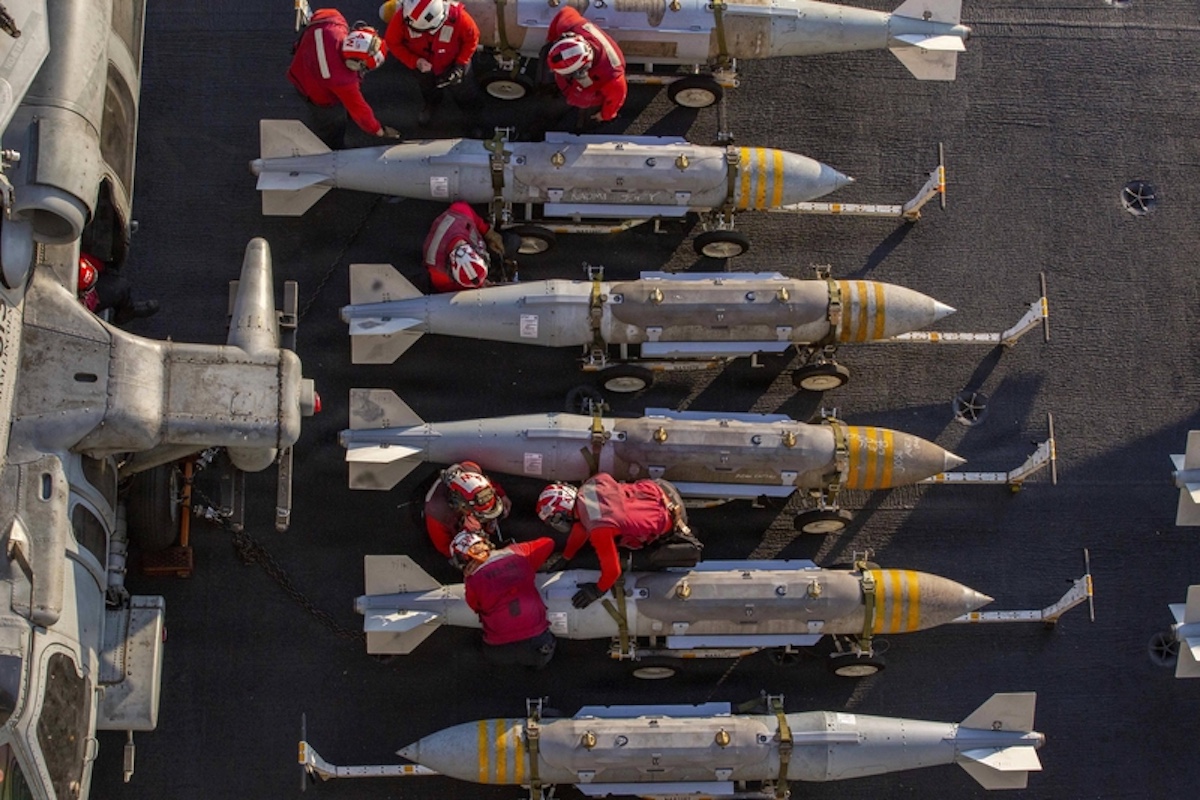
Defense spending analysts indicate the aerial bombardment campaign alone has already consumed billions of dollars, with Pentagon officials revealing $5.6 billion was spent on munitions during the initial 48 hours of conflict. Congressional aides familiar with briefings suggest expenditures have since escalated into double-digit billions, with costs potentially multiplying exponentially should ground troops be deployed for regime change operations.
President Trump has delivered contradictory statements regarding operational timelines, initially projecting a four-to-six week campaign before suggesting a potentially quicker resolution. The administration has neither disclosed total expenditures to date nor provided cost projections for extended military engagement.
Michael O’Hanlon of Brookings Institution estimates current weekly military costs at approximately $2 billion, warning that a full-scale occupation involving 250,000 troops could escalate to $300 billion annually. These projections exclude secondary economic impacts including global energy price fluctuations, reduced fertilizer production affecting agricultural yields, and damage to diplomatic infrastructure throughout the region.
Historical comparisons reveal sobering precedents: the Iraq and Afghanistan conflicts averaged $1 million per deployed troop annually, with peak annual expenditures reaching $200 billion. Stephanie Savell of Brown University’s Cost of War Project emphasizes that “wars are never quick or cheap or easy,” noting that contemporary conflicts consistently exceed initial projections in both duration and resource requirements.
The human cost continues to mount with seven confirmed U.S. military fatalities, while experts warn of potential civilian casualties reaching thousands through both direct combat and indirect consequences including infrastructure collapse, disease outbreaks, and malnutrition particularly affecting children under five.
Strategic analysts question the feasibility of achieving regime change without substantial ground forces, noting that previous attempts at foreign government restructuring in Iraq, Afghanistan and Libya required years of military engagement and resulted in prolonged insurgencies. Security experts additionally warn of potential conflict expansion through proxy engagements with Houthi forces in Yemen, Iraqi Shiite militias, and possible retaliatory attacks on U.S. interests worldwide.
The Congressional appropriation process faces political complications, with Democratic support necessary to advance supplemental funding legislation through the Senate. This creates a potential legislative check on prolonged military engagement, though Republican leadership has expressed unwillingness to constrain presidential authority as commander-in-chief.