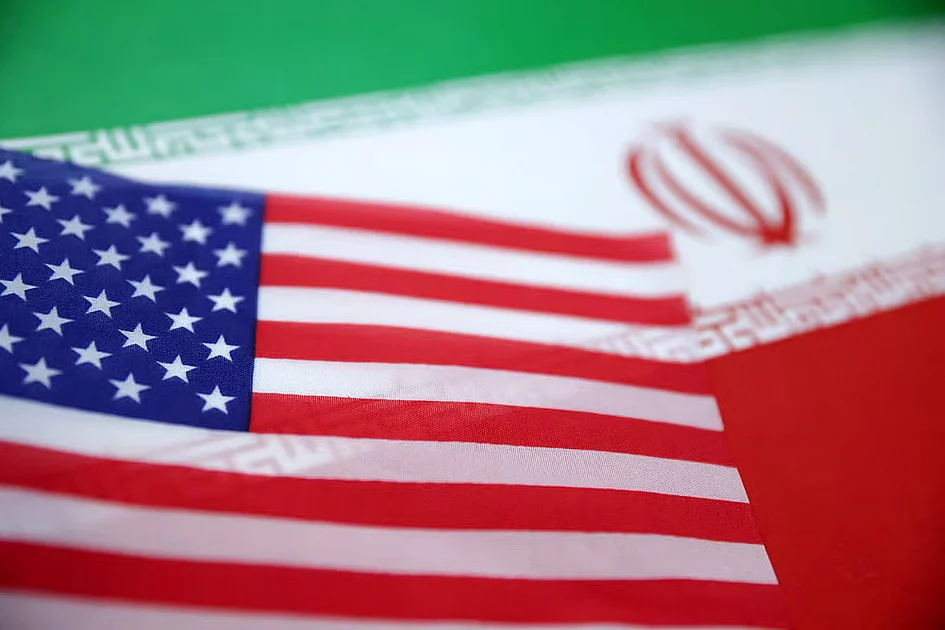
Geneva is set to host a critical new round of diplomatic negotiations between the United States and Iran on Tuesday, mediated by Omani officials in an effort to de-escalate rising tensions and avert potential military conflict. The talks resume against a backdrop of heightened saber-rattling, with former President Donald Trump warning Tehran of severe consequences should the discussions fail to yield an agreement.
The diplomatic engagement, which follows preliminary meetings in Muscat, marks a significant attempt to bridge differences over Iran’s nuclear program. Iranian Foreign Ministry spokesman Esmaeil Baqaei expressed measured optimism, noting that Washington’s stance had shifted towards a “more realistic” approach regarding nuclear issues, according to state-run IRNA news agency.
While en route to the negotiations, Trump indicated his indirect involvement, stating, “I don’t think they want the consequences of not making a deal.” His comments came alongside increased military deployments to the region, including the positioning of the USS Abraham Lincoln aircraft carrier approximately 700 kilometers from Iranian shores and the dispatch of a second carrier group.
The previous diplomatic effort collapsed dramatically in June when Israel launched surprise strikes against Iranian targets, triggering a brief but intense 12-day conflict that saw limited U.S. military participation against nuclear facilities.
Iranian Foreign Minister Abbas Araghchi met with Omani counterpart Badr Albusaidi in Geneva to coordinate positions ahead of the main talks. Araghchi emphasized Tehran’s “seriousness in using result-oriented diplomacy” to secure Iranian interests while preserving regional stability. Simultaneously, Iran’s Revolutionary Guard Corps commenced military exercises in the strategic Strait of Hormuz, preparing for “potential security and military threats.”
The negotiations face fundamental disagreements over their scope, with Iran insisting discussions be limited exclusively to nuclear matters and sanctions relief, while Washington has historically pushed for inclusion of Tehran’s ballistic missile program and support for regional armed groups.
U.S. Secretary of State Marco Rubio expressed hope for a peaceful resolution, noting that the administration prefers “negotiated outcomes.” Iranian officials indicated potential flexibility on uranium stockpiles if Washington demonstrates sincerity through sanctions relief, with Deputy Foreign Minister Majid Takht-Ravanchi telling the BBC that compromises were possible with genuine American cooperation.
The talks will also involve International Atomic Energy Agency director Rafael Grossi, who is scheduled for technical discussions with Iranian officials regarding nuclear monitoring and verification protocols.