A dangerous escalation in the Middle East conflict has unfolded as Iran issued a stark warning to target critical infrastructure across the region if the United States follows through on President Donald Trump’s threat to destroy Iranian power plants. The confrontation centers on the strategic Strait of Hormuz, where Tehran has imposed a de facto blockade that has disrupted global energy supplies and sent oil prices soaring.
President Trump issued a 48-hour ultimatum via Truth Social, demanding Iran fully reopen the crucial waterway or face the obliteration of its power infrastructure, “starting with the biggest one first.” The deadline is set for 23:44 GMT on Monday according to the timing of Trump’s post.
Iran’s military command responded with equal defiance, vowing that any attack on Iranian facilities would trigger immediate retaliation against “all energy, information technology and desalination infrastructure belonging to the U.S.” throughout the Middle East.
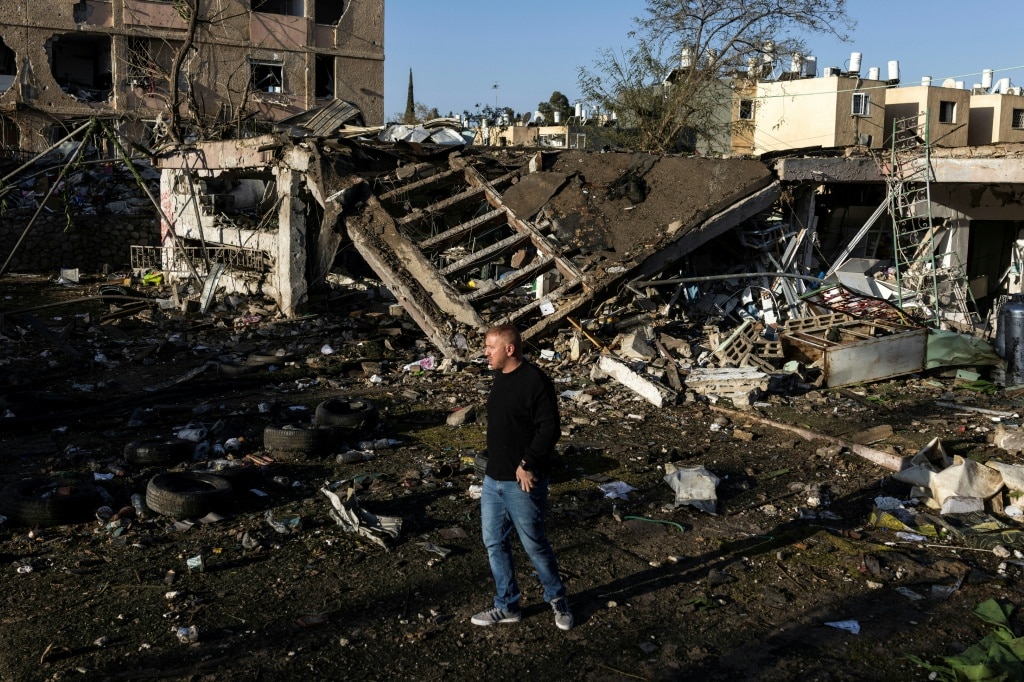
The exchange occurred amid continued hostilities that have now entered their fourth week. Early Sunday, air raid sirens sounded in Jerusalem as Iran launched fresh missile barrages toward Israel. This followed significant strikes on southern Israeli towns including Dimona, where a nuclear research facility is located, and Arad, with over 100 casualties reported.
The Dimona attack, which damaged residential buildings and created substantial craters, was characterized as retaliation for previous strikes on Iran’s Natanz nuclear facility. UN nuclear watchdog chief Rafael Grossi has reiterated calls for “military restraint to avoid any risk of a nuclear accident” given the proximity of attacks to nuclear installations.
The economic implications of the conflict continue to intensify, with North Sea Brent crude prices surpassing $105 per barrel. The Strait of Hormuz typically handles approximately one-fifth of global crude oil and liquefied natural gas shipments, making its blockade particularly disruptive to energy markets.
International response has been mounting, with 22 nations including the UK, France, Germany, Australia, and several Gulf states announcing readiness to contribute to efforts ensuring safe passage through the vital waterway. The U.S. has deployed additional Marines to the region and conducted bunker-busting bomb strikes on Iranian coastal facilities to degrade Tehran’s ability to threaten navigation.
The conflict has expanded beyond the Iran-Israel theater, with Saudi Arabia reporting intercepted ballistic missiles near Riyadh and the United Arab Emirates responding to new attacks from Iran. In Lebanon, Hezbollah claimed responsibility for rocket fire that killed one Israeli soldier, marking the first fatality from cross-border fighting since hostilities began. Iraq has also been drawn into the conflict, with multiple attacks targeting U.S. facilities at Baghdad International Airport.
Meanwhile, civilians in Tehran experience growing uncertainty as the Persian New Year holidays provide limited respite from the shadow of war. Residents report economic hardship and anxiety about the future as the conflict shows no signs of abating.