Diplomatic efforts to address Iran’s nuclear program have entered a critical phase as Iranian Foreign Minister Abbas Araghchi arrived in Geneva for a second round of negotiations with United States officials. The talks, mediated by Oman and scheduled for Tuesday, occur against a backdrop of heightened military activity and escalating rhetoric from both nations.
Simultaneously with the diplomatic movements, Iran’s Revolutionary Guards commenced military exercises in the strategically vital Strait of Hormuz. Iranian state television reported these drills are designed to prepare for “potential security and military threats” in the waterway, though the duration of the exercises remains unspecified. The Strait serves as a crucial maritime passage for approximately 20% of globally traded oil, and Iranian officials have repeatedly threatened to block transit through this channel.
The renewed negotiations follow the collapse of previous talks in June after Israel launched an unprecedented bombing campaign against Iranian targets. U.S. Secretary of State Marco Rubio expressed cautious optimism, stating, “we’re hopeful there’s a deal” and noting that President Trump “always prefers peaceful outcomes and negotiated outcomes.”
Significant obstacles remain, particularly regarding Iran’s stockpile of more than 400kg of 60%-enriched uranium, last inspected by nuclear watchdog officials in June. Iranian Deputy Foreign Minister Majid Takht-Ravanchi told the BBC that Tehran would consider compromises on its uranium stockpile if Washington lifts economically crippling sanctions.
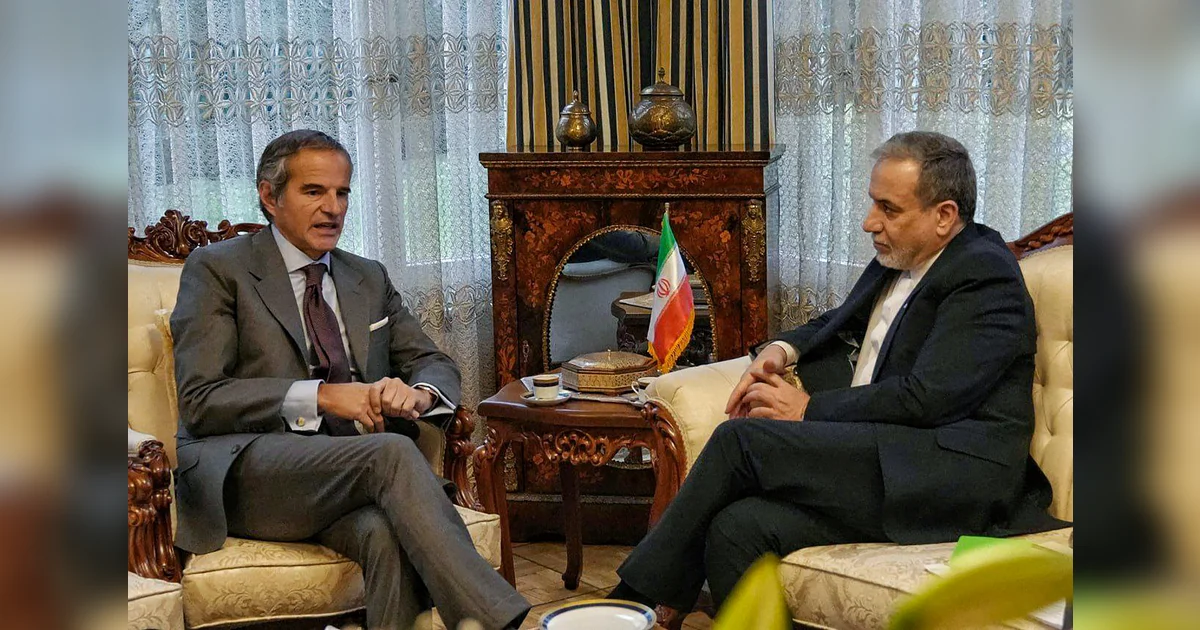
The U.S. delegation includes Middle East envoy Steve Witkoff and President Trump’s son-in-law Jared Kushner. Araghchi confirmed he was meeting with International Atomic Energy Agency head Rafael Grossi for “deep technical discussion” ahead of the main negotiations.
Tensions have been further exacerbated by Trump’s repeated threats of military action against Tehran, initially concerning Iran’s crackdown on anti-government protests and more recently targeting the country’s nuclear program. On Friday, Trump dispatched a second aircraft carrier to the Middle East while stating that a change of government in Iran would be the “best thing that could happen.”
Israeli Prime Minister Benjamin Netanyahu insisted any agreement must involve “the removal of all enriched uranium from Iran” as well as the elimination of Tehran’s enrichment capability. Meanwhile, Iranian officials emphasized their desire for an economically beneficial agreement, with Deputy Foreign Minister Hamid Ghanbari noting the importance of “strong and rapid economic return potential” for both nations in sectors including aviation, mining, and oil and gas.