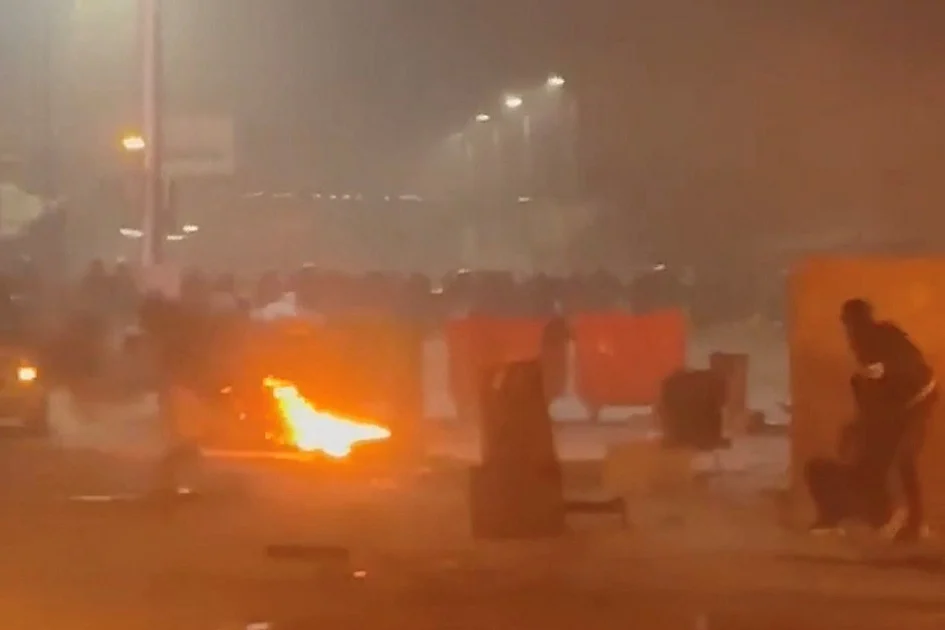
Iran has initiated three days of national mourning to honor security personnel killed during widespread civil unrest, as confirmed by state television broadcasts on Sunday. The government has simultaneously called for nationwide marches on Monday to demonstrate support for the Islamic Republic.
According to US-based human rights organization HRANA, the ongoing protests have resulted in more than 500 fatalities, including 490 protesters and 48 security personnel, with over 10,600 individuals detained during two weeks of demonstrations. These figures, compiled from both internal and external activist sources, remain unverified by Iranian authorities or independent confirmation.
The protests originated on December 28 as economic demonstrations against rising prices but rapidly evolved into broader opposition against Iran’s clerical establishment that has governed since the 1979 Islamic Revolution. Iranian officials have accused the United States and Israel of instigating the unrest.
Information flow from Iran has been severely restricted due to an internet blackout implemented since Thursday. Despite these limitations, social media footage from Tehran and Mashhad has shown substantial nighttime demonstrations, with visible street fires, masked protesters, and audible explosions.
International tensions have escalated significantly, with former US President Donald Trump reportedly receiving briefings on military options regarding Iran. Iranian Parliament Speaker Mohammad Baqer Qalibaf issued a stark warning: “In the case of an attack on Iran, the occupied territories (Israel) as well as all U.S. bases and ships will be our legitimate target.”
Israeli security sources indicate their military remains on high alert for potential US intervention, while maintaining that the protests constitute an internal Iranian matter. This development occurs against the backdrop of last year’s 12-day conflict between Israel and Iran, which involved brief US participation.
Iranian President Masoud Pezeshkian has characterized the unrest as foreign-directed destabilization, pleading with families to prevent their children from joining what he described as “rioters and terrorists.” Meanwhile, analysts suggest that while the current protests are unlikely to topple the government, they may significantly weaken the establishment’s stability.