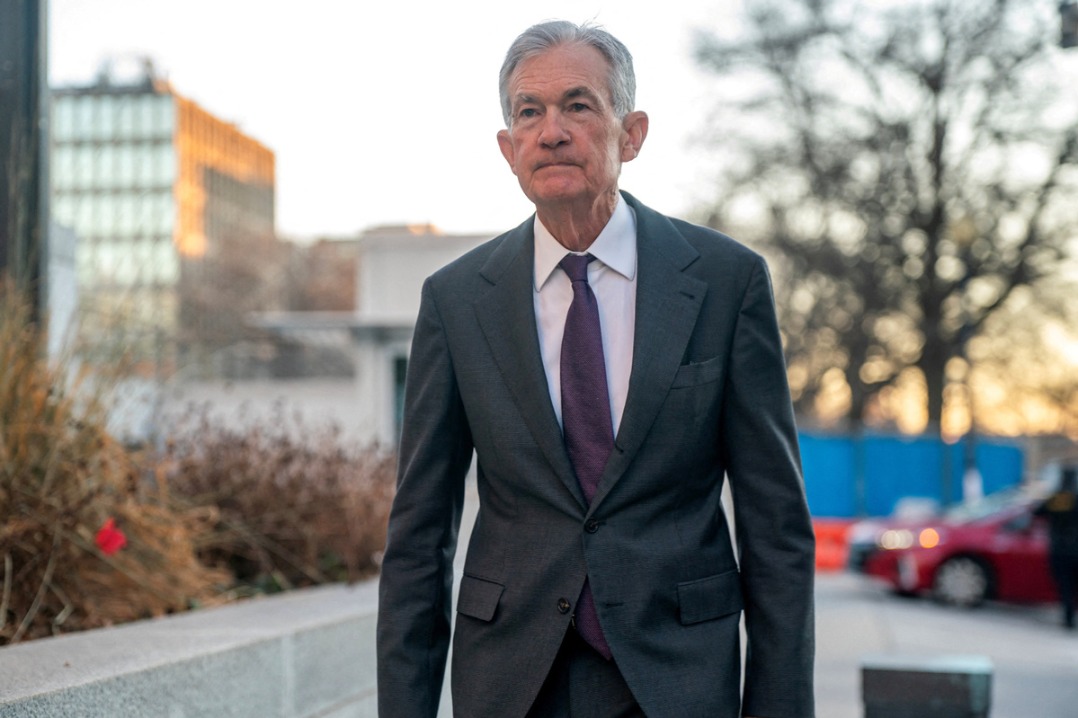
A unprecedented criminal investigation by the U.S. Department of Justice into Federal Reserve Chair Jerome Powell has triggered widespread concern among economists and policymakers, raising alarms about potential threats to the central bank’s independence and global financial stability.
The probe, initiated on January 13, 2026, focuses on the Federal Reserve’s headquarters renovation project in Washington and allegations that Powell may have provided misleading statements to Congress regarding the project’s escalating costs, which have surged to $2.5 billion—significantly exceeding initial budget projections.
Former Fed Chair Janet Yellen has emerged as a vocal critic of the investigation, characterizing it as an extraordinary measure against a sitting central bank leader that could undermine the institution’s operational autonomy. Yellen expressed grave concerns to The New York Times, stating that the action suggests a willingness to intimidate Federal Reserve officials to influence monetary policy decisions.
The investigation has prompted a rare public response from Powell himself, who released a two-minute video statement on Sunday connecting the Justice Department’s inquiry to ongoing political pressure surrounding interest rate policy. His response came after the Fed received grand jury subpoenas on Friday.
Notably, every living former Federal Reserve chair has united in condemning the DOJ’s actions, issuing a joint statement that frames the investigation as an assault on the central bank’s institutional independence. Congressional architects designed the Fed’s independent structure specifically to ensure monetary policy decisions remain insulated from political interference and presidential preferences.
The situation represents a critical juncture in the relationship between the Trump administration and the Federal Reserve. President Trump has repeatedly criticized Powell’s approach to interest rates, maintaining a target range of 3.5% to 3.75% rather than the 1% rate preferred by the administration. Trump’s previous attempts to influence Fed composition included efforts to remove board member Lisa Cook, with the Supreme Court set to rule on her case January 21.
Republican lawmakers and Treasury Secretary Scott Bessent have joined the chorus of concern, warning that the investigation could create market instability and affect financial markets. Senate Banking Committee member Thom Tillis has vowed to oppose confirmation of any Fed nominees until the legal matter is fully resolved.