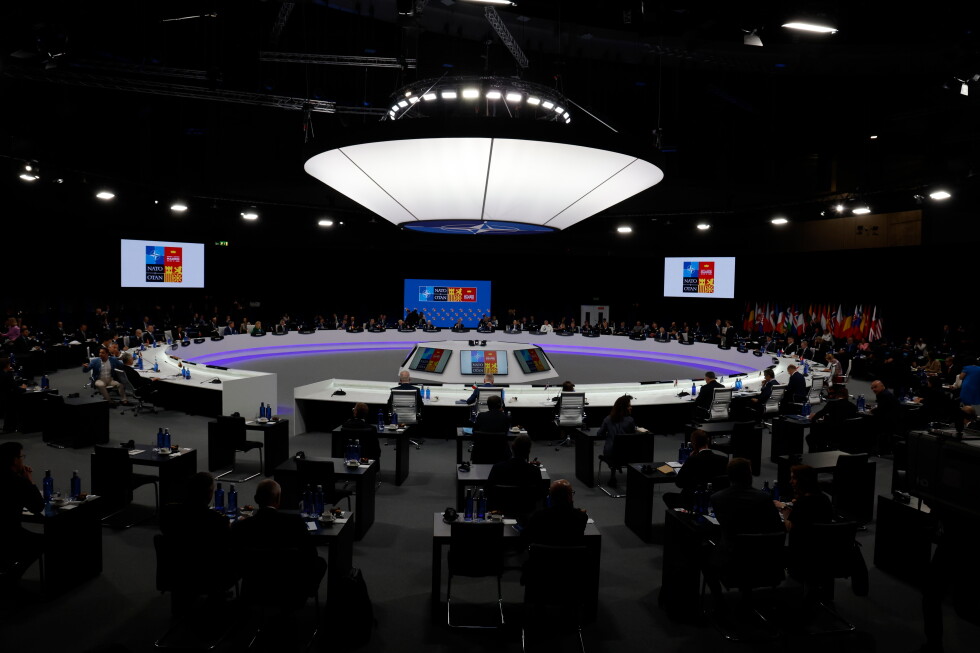
Belgian law enforcement authorities announced on Saturday that a Canadian woman has been taken into custody on espionage allegations following her detention at NATO’s top military operational command facility. The investigation was initiated after NATO’s internal security division provided a critical tip that triggered the full probe by Belgium’s Federal Prosecutor’s Office. According to official statements, law enforcement teams first carried out coordinated raids at both the suspect’s private residence and her workplace inside the NATO command site on Thursday, before taking the Canadian citizen of Chinese heritage into official custody on Friday. Prosecutors have formally outlined two core accusations against the suspect: that she conducted intelligence gathering activities on behalf of an outside third nation, and that she is affiliated with a transnational criminal organization structured to support this espionage work. Both Belgium and Canada hold full membership in the 32-nation NATO military alliance, which formally designated China as a systemic “security challenge” in its 2021 strategic framework, alongside active security threats stemming from Russia and regional instability in the Middle East. The NATO facility where the intern was working, officially named Supreme Headquarters Allied Powers Europe (SHAPE), is situated in the southern Belgian city of Mons, close to the country’s border with France. This site differs from NATO’s political headquarters based in Brussels, which hosts member state ambassadors for high-level discussions on critical defense issues ranging from collective defense spending to unauthorized drone incursions and cross-border cyber threats. In contrast, SHAPE serves as the primary military planning and command center for the alliance, where senior military officers develop joint operational strategy, coordinate tactical deployments, and oversee all NATO military operations across the globe. As of Saturday’s public announcement, Belgian prosecutors have not released additional details about the specific scope of the alleged espionage activities, nor have they named the third country that the suspect is accused of working for. No court hearing dates have been made public at this early stage of the investigation, and representatives from NATO and Canadian officials have not yet issued additional formal comments on the ongoing case.
Intern arrested in Belgium on suspicion of spying inside NATO military headquarters