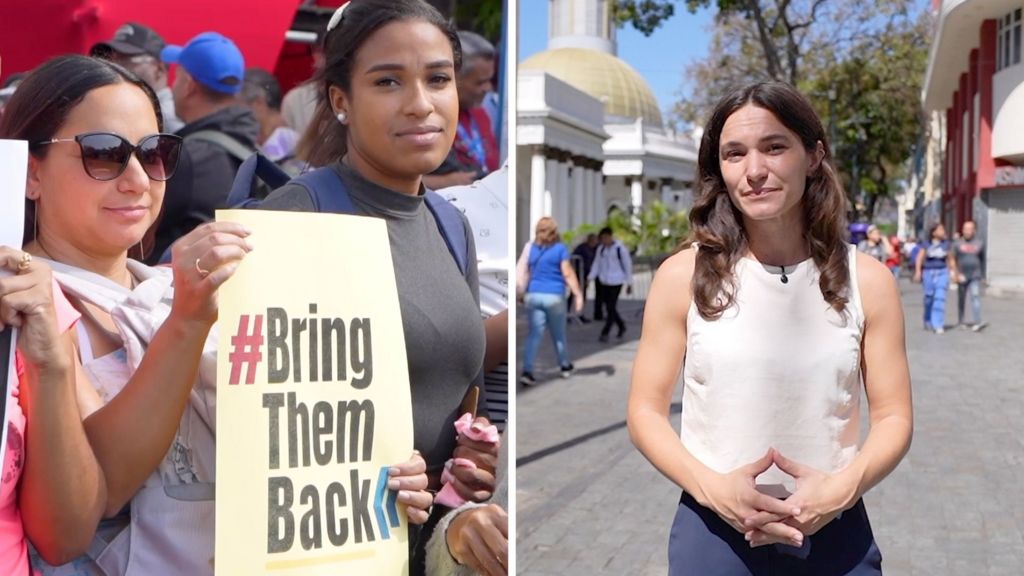
Two months following the departure of President Nicolás Maduro, Venezuela stands at a critical juncture in its political evolution. BBC correspondent Ione Wells provides exclusive ground reporting from Caracas, capturing the nation’s complex transition phase. The political landscape has been markedly altered by the release of numerous opposition figures previously detained under Maduro’s administration. These newly freed leaders are now actively engaging in dialogues concerning the nation’s governance framework and its future trajectory. A central focus of these discussions involves redefining Venezuela’s international stance, particularly its diplomatic and economic relations with the United States. Wells’ reporting indicates significant shifts in power dynamics as various political factions negotiate their roles within emerging governance structures. The transition period has revealed both challenges and opportunities for institutional reform, with observers closely monitoring how historical grievances balance against pragmatic governance needs. The evolving relationship between Caracas and Washington appears to be a decisive factor influencing Venezuela’s economic recovery prospects and potential reintegration into global financial systems. This political recalibration follows years of intense international pressure and internal unrest that characterized the latter Maduro years.
Inside Venezuela’s political transition two months after Maduro’s ousting