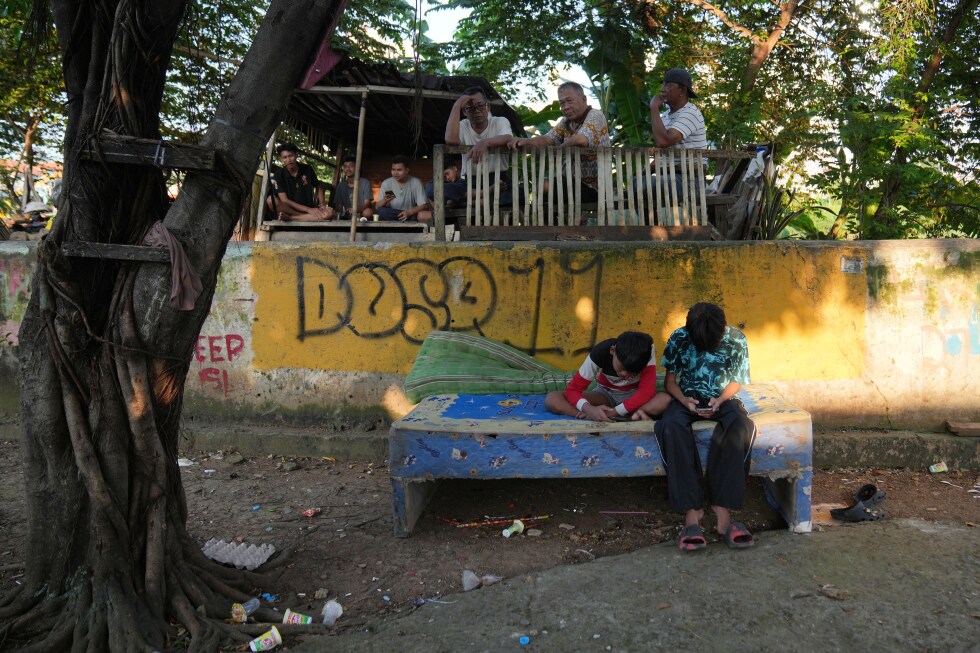
JAKARTA, Indonesia — Indonesia has initiated a groundbreaking digital protection measure, enforcing a comprehensive ban on social media and gaming platform access for children under 16. The new regulation, officially implemented this Saturday, represents Southeast Asia’s first major governmental intervention against digital risks facing minors.
The policy targets prominent platforms including YouTube, TikTok, Facebook, Instagram, Threads, X, Bigo Live, and Roblox. This strategic move aligns with global efforts—following Australia’s precedent last year—to reclaim parental authority from technology conglomerates and safeguard adolescent wellbeing.
Communication and Digital Affairs Minister Meutya Hafid revealed the measure will impact approximately 70 million Indonesian children within the nation’s 280-million population. High-risk platforms were identified through rigorous assessment criteria evaluating exposure to strangers, predatory risks, harmful content prevalence, exploitation vulnerabilities, and data security threats.
Despite the progressive intent, Minister Hafid acknowledged implementation complexities. ‘This is certainly a task. But we must take steps to save our children,’ she stated, emphasizing the challenges of ensuring platform compliance and monitoring under-16 account deactivations.
The policy has generated mixed reactions among its intended beneficiaries. Maura Munthe, a 13-year-old social media user, expressed ambivalence: ‘I feel kind of 50-50 about it.’ While concerned about losing entertainment access, she recognized the protective rationale.
Parental perspectives reflect broader societal concerns. Leni Sinuraya, a 47-year-old mother, observed: ‘Nowadays, when we see kids sitting in a restaurant, they have a phone right in front of them. Mealtime is supposed to be for chatting with people around us.’
Child protection experts emphasize balanced approaches. Diena Haryana of Jakarta-based SEJIWA foundation noted digital platforms’ educational benefits while advocating for ‘right time, right age, and right guidance’ principles. She predicted initial confusion but urged parents and schools to ‘encourage children to engage with the real world.’
Platform responses have been cautiously compliant. X explicitly references Indonesia’s 16-year age requirement on its safety page, while YouTube expressed support for ‘risk-based frameworks addressing online harms.’
This development positions Indonesia within an international movement—including Spain, France, and the UK—considering similar restrictions amid growing concerns about unregulated social media’s impact on youth mental health.