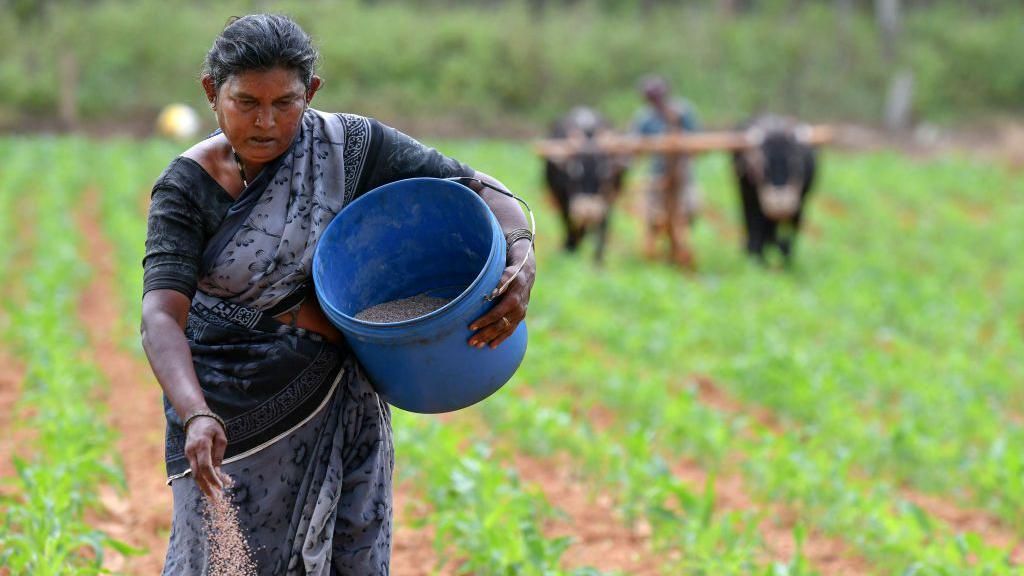
India’s agricultural sector faces mounting pressure as Middle East shipping disruptions jeopardize critical fertilizer supplies, potentially triggering cascading effects on food production and pricing. The world’s second-largest fertilizer consumer relies heavily on Gulf-region imports that transit through the strategically vital Strait of Hormuz, where ongoing conflict has severely compromised maritime logistics.
Current government data indicates urea reserves of approximately 6.2 million tonnes as of mid-March, which analysts consider adequate for the imminent June-September monsoon sowing season under normal conditions. However, industry experts warn that prolonged supply chain disruptions could rapidly deplete these reserves, creating significant shortages during peak agricultural periods.
The crisis extends beyond inventory concerns to fundamental production challenges. Natural gas—the primary feedstock for urea manufacturing—faces import constraints, with Indian plants currently receiving only 70% of their required volumes following recent government directives. This shortfall has already forced some manufacturers to curtail production operations.
Farmers in Punjab and Haryana, India’s crucial grain-producing regions, report adequate immediate supplies through cooperative networks and distributor warehouses. Yet agricultural stakeholders express deepening anxiety about long-term availability. “We cannot predict how existing stocks will sustain if geopolitical tensions persist,” noted Manpreet Singh Grewal of a Punjab Agricultural University-affiliated farmers’ collective.
Global market dynamics exacerbate domestic concerns. International fertilizer prices have surged dramatically in recent weeks, with urea benchmarks and Asian gas prices climbing simultaneously. This trend may substantially increase government subsidy burdens, as New Delhi maintains controlled pricing for agricultural inputs.
While experts suggest short-term yield impacts might remain limited due to historical over-application in some regions, Siraj Hussain, former federal agriculture secretary, emphasizes that “the government must prepare for potential monsoon harvest shortages.” The situation demands urgent diversification of import sources and enhanced domestic production capabilities, measures Prime Minister Narendra Modi confirms are already underway.
The ultimate agricultural and economic impact hinges critically on conflict duration, with analysts noting that normalized shipping could stabilize supply chains within weeks. Nevertheless, the episode underscores India’s vulnerability to global geopolitical shocks and the intricate connections between international conflicts, agricultural security, and food price inflation.