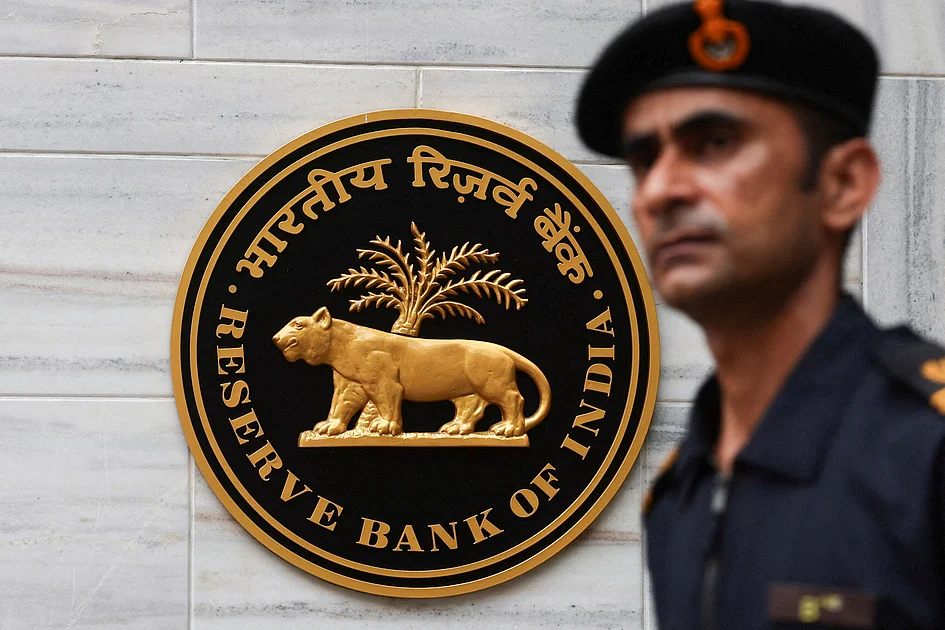
In a strategic move that could reshape global financial architecture, India’s central bank has advanced a proposal to interconnect the digital currencies of BRICS nations, according to sources familiar with the matter. The Reserve Bank of India (RBI) has recommended including this initiative on the agenda for the 2026 BRICS summit, which India will host later this year.
The proposal aims to establish technological linkages between central bank digital currencies (CBDCs) of BRICS members—Brazil, Russia, India, China, and South Africa—to facilitate seamless cross-border trade and tourism payments. This development marks the first formal effort to create a multilateral digital currency framework within the bloc, potentially reducing dependency on the U.S. dollar amid escalating geopolitical tensions.
This initiative builds upon the 2025 BRICS declaration in Rio de Janeiro that advocated for payment system interoperability among member states. While none of the BRICS nations have fully launched their digital currencies, all five core members are conducting advanced pilot projects. India’s e-rupee has attracted approximately 7 million retail users since its December 2022 debut, while China has been aggressively promoting international usage of its digital yuan.
The RBI has publicly expressed interest in currency linking mechanisms to accelerate cross-border transactions and enhance the global footprint of its currency, though officials maintain these efforts are not explicitly aimed at de-dollarization. Technical and regulatory challenges remain significant, including the need for interoperable technology platforms, governance frameworks, and mechanisms to address trade imbalances.
Sources indicate that bilateral foreign exchange swap arrangements between central banks are being considered to manage potential trade imbalances. The proposal also contemplates weekly or monthly settlement mechanisms through these swaps. However, progress may be hindered by member states’ reluctance to adopt technological platforms from other countries, requiring consensus on both technical standards and regulatory approaches.
The initiative emerges against a backdrop of renewed trade tensions, with former U.S. President Donald Trump having previously characterized the BRICS alliance as “anti-American” and threatening tariffs against member states. Previous attempts to deepen economic cooperation within BRICS, including a proposed common currency, have encountered substantial obstacles.
The RBI has positioned its e-rupee as a regulated alternative to stablecoins, with Deputy Governor T Rabi Sankar recently highlighting concerns about stablecoins’ potential to facilitate illicit payments, undermine monetary stability, and fragment national payment ecosystems.