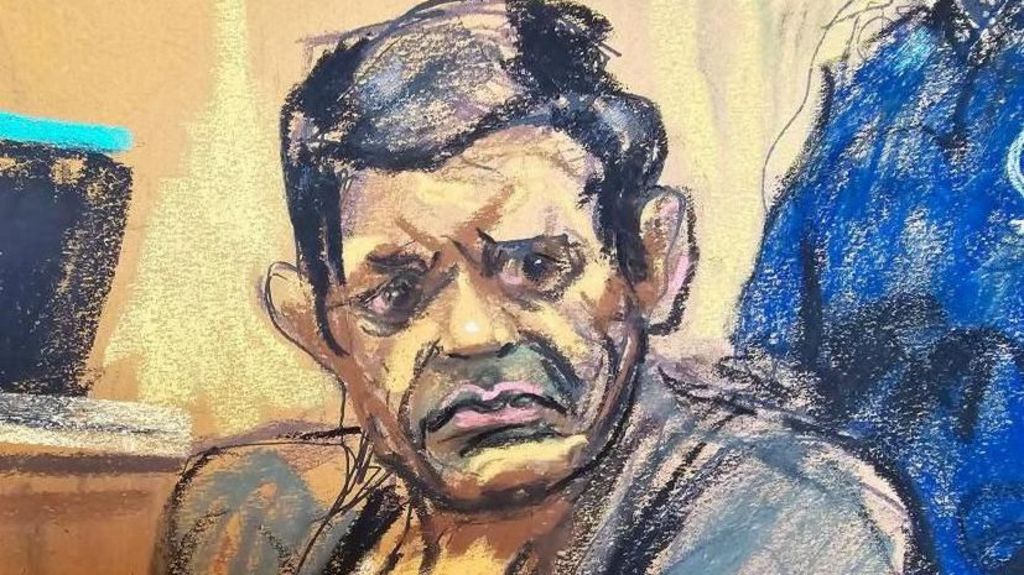
In a significant development in international relations and counterterrorism efforts, 54-year-old Indian national Nikhil Gupta has entered guilty pleas on three serious criminal charges in a United States federal court. The charges—murder-for-hire, conspiracy to commit murder-for-hire, and conspiracy to commit money laundering—stem from an alleged plot to assassinate Gurpatwant Singh Pannun, an American citizen and prominent advocate for the Khalistan movement, on New York City soil.
US prosecutors presented a detailed case alleging that Gupta was not acting alone but was directed by an Indian government official, identified as Vikash Yadav from India’s Cabinet Secretariat—a body housing the nation’s foreign intelligence service. The indictment claims that in May 2023, Gupta was recruited by Yadav, with whom he met in Delhi to orchestrate the assassination. Following these discussions, Gupta allegedly attempted to hire a hitman, who was, in reality, an undercover officer from the US Drug Enforcement Administration.
The target, Mr. Pannun, leads an organization labeled as terrorist by the Indian government, though he personally denies these allegations, identifying instead as a political activist for Sikh independence. The Khalistan movement seeks a sovereign homeland for Sikhs, a religious minority constituting approximately 2% of India’s population. While the movement has limited traction within India today, it maintains support among parts of the global Sikh diaspora.
This case is deeply interwoven with broader international tensions. It emerged shortly after the murder of Hardeep Singh Nijjar, another Sikh separatist figure, in Canada in June. Canadian authorities have similarly accused Indian government agents of involvement in Nijjar’s killing—a claim India has also denied. US Attorney Jay Clayton emphasized the gravity of Gupta’s actions, stating that the plot represented a severe violation of US sovereignty and the rights of its citizens. Gupta now faces a potential maximum sentence of 40 years in imprisonment.
India’s government has consistently denied any official connection to the alleged assassination plots in both the US and Canada, creating a diplomatic rift with two key Western allies. The guilty plea marks a critical judicial step in a case that continues to strain international relations and raise questions about extraterritorial threats to free speech and citizen safety.