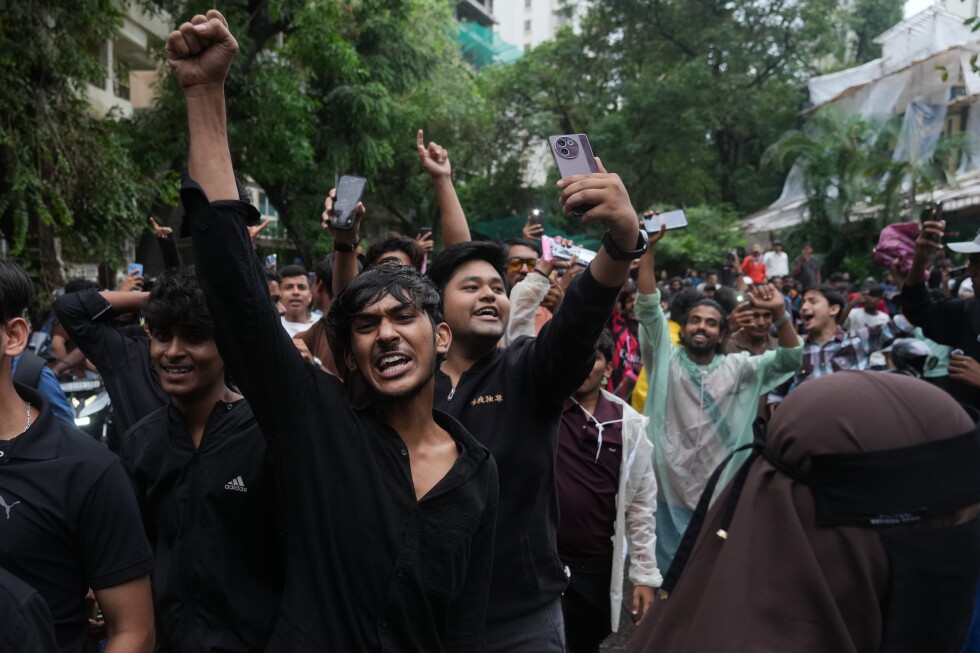
NEW DELHI – After 26 days of refusing food, a hunger strike that became the catalyst for one of the largest grassroots protest movements India has seen in recent years, prominent Indian activist Sonam Wangchuk called off his fast on Friday. Even as Wangchuk ended his demonstration, the thousands of demonstrators who have gathered across the country made clear their campaign would not stop until the nation’s top education official steps down.
Wangchuk’s extended fast emerged as a unifying rallying cry for the “Cockroach Protests,” a youth-led movement that launched more than a month ago. What began as a focused outcry over systemic gaps exposed by widespread leaks in India’s most competitive college and public service entrance exams quickly expanded into a broader movement channeling widespread public frustration over entrenched unemployment, weak government accountability, and shrinking economic opportunity for young people. Today, the movement draws participation from a cross-section of Indian society, including working professionals, working-class families, and veteran activists, with major demonstrations held in the capital New Delhi and major metropolitan centers across the nation.
The sustained wave of dissent marks one of the most significant challenges to Prime Minister Narendra Modi’s government in recent years. Despite harsh police intervention earlier this week that saw officers deploy tear gas and baton charges to disperse thousands of marchers attempting to reach the national Parliament, protesters have continued to return to the streets in large numbers.
In a public post on the social platform X, Wangchuk explained that he ended his fast during a meeting with two federal cabinet ministers, following appeals from dozens of members of India’s parliament and “a long negotiation on various conditions.” He added that the decision also came “in view of possible violence across the country,” though he offered no further details about the content of the closed-door negotiations.
Movement organizers have rejected any tentative progress from talks, reaffirming that demonstrations will continue until Education Minister Dharmendra Pradhan resigns from his post. They have also called for coordinated protests across all of India’s states this Friday to stand in solidarity with student demonstrators who were beaten by police during a massive, thousand-person march to Parliament this week Monday.
The movement’s unusual name carries a sharp political edge: it was coined by the Cockroach Janta Party, a satirical activist group that has led the campaign. The name references an offhand remark made by India’s chief justice of the Supreme Court, who compared unemployed young people to cockroaches. “We won’t let Sonam sir’s sacrifice go in vain,” said Abhijeet Dipke, the group’s founder.
The end of Wangchuk’s hunger strike comes just one day after Prime Minister Modi broke his weeks-long silence to address the protests for the first time. In his first public remarks on the unrest, Modi announced plans to establish fast-track special courts to speed up prosecutions of individuals connected to exam paper leak schemes. He also released a separate video message, confirming that his government would introduce new legislation in Parliament to impose harsher penalties for paper leak offenses.
But these policy announcements failed to ease protester anger, as movement leaders argue the measures do not go far enough to address core demands: comprehensive education reform, tangible improvements to government accountability, and financial compensation for the families of students who died by suicide in the wake of repeated exam leak scandals that have derailed thousands of young people’s career and education prospects.