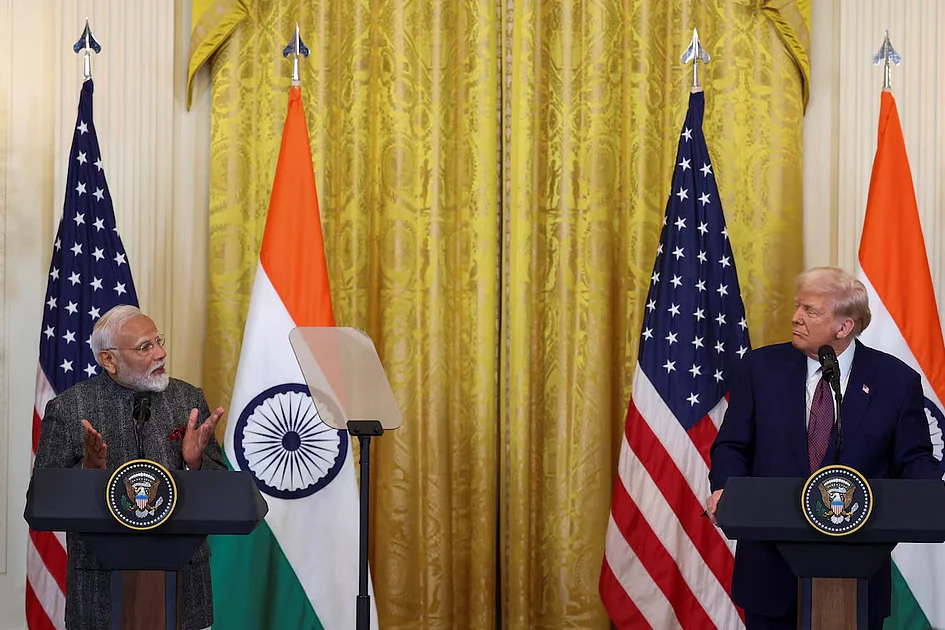
A significant trade agreement between the United States and India has encountered unexpected delays due to a diplomatic communication breakdown, according to Commerce Secretary Howard Lutnick. The negotiations collapsed when Indian Prime Minister Narendra Modi declined to place a telephone call to President Donald Trump to finalize terms that had been previously negotiated between the two nations.
The trade discussions, which had been progressing throughout last year, ultimately disintegrated following this communication impasse. In response, the Trump administration implemented substantial economic measures in August, doubling tariffs on Indian goods to 50 percent—the highest rate globally. This included a specific 25 percent levy imposed as direct retaliation for India’s continued purchases of Russian oil despite international pressure.
Lutnick revealed these details during an appearance on the All-In podcast, a business and technology program hosted by prominent venture capitalists. He stated that the agreement framework was fully prepared for execution, but the necessary diplomatic gesture from the Indian leadership never materialized. ‘It’s all set up and you have got to have Modi call the President. And they were uncomfortable doing it,’ Lutnick explained, adding simply, ‘So Modi didn’t call.’
The situation has intensified recently as President Trump escalated pressure on India through explicit warnings that additional tariff increases would follow unless India curtails its energy imports from Russia. These developments have already triggered adverse economic consequences for India, with the rupee plummeting to record lows and investor confidence weakening amid the uncertain trade outlook.
According to Lutnick, India continues to seek a tariff rate structure comparable to those previously offered to Britain and Vietnam, though these offers have since expired. The Indian trade ministry has not provided immediate commentary on Lutnick’s statements regarding the negotiation breakdown.
Reuters previously reported that the two nations were nearing a comprehensive trade agreement last year before communications faltered. An Indian government official involved in the negotiations suggested that Prime Modi avoided the call over concerns that a direct conversation with President Trump might create diplomatic pressure and put him in a compromised negotiating position.