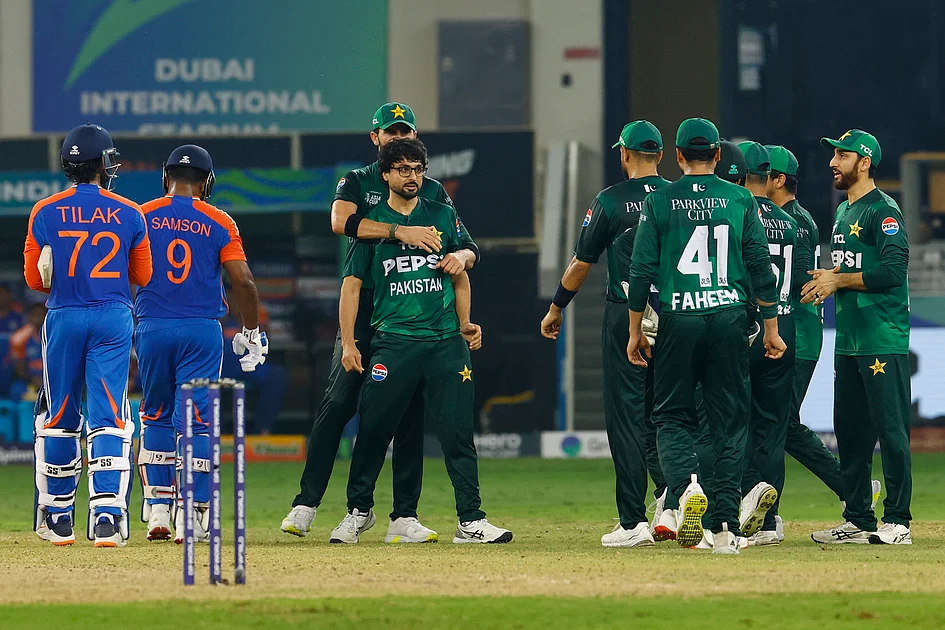
Cricket’s anticipated return to the Olympic stage at Los Angeles 2028 faces significant challenges beyond the upcoming Games, as persistent geopolitical tensions between India and Pakistan cast doubt on the sport’s long-term Olympic aspirations. The recent T20 World Cup impasse, which saw Pakistan initially boycott their marquee match against India, highlights deeper structural issues within cricket’s governance that could undermine its global expansion ambitions.
The International Cricket Council (ICC) successfully mediated a temporary resolution to the crisis through emergency talks with the Pakistan and Bangladesh cricket boards. However, sports analysts characterize this solution as merely addressing symptoms rather than curing the underlying disease of political interference in sporting decisions.
Veteran Indian journalist Chander Shekhar Luthra emphasizes that substantial structural reforms within the ICC are imperative if cricket genuinely seeks permanent Olympic inclusion. ‘The governing body must liberate itself from political pressures exerted by powerful cricket boards, particularly the Indian board which operates under political compulsions,’ Luthra stated.
The timing of these tensions carries additional significance as India contemplates bidding for the 2036 Olympic Games. Pakistani commentator Nauman Niaz warns that the International Olympic Committee’s commitment to neutrality and impartiality might view recent politicization incidents unfavorably. ‘The IOC operates very differently from cricket’s governing bodies,’ Niaz noted. ‘As India prepares an Olympic bid, such incidents will inevitably come under scrutiny.’
Despite these challenges, both commentators acknowledge India’s remarkable transformation as a sporting nation and its deserving credentials to host the Olympics. The paradox remains that the same nation driving cricket’s commercial success might inadvertently hinder its Olympic aspirations through political interventions that contradict the Olympic movement’s fundamental principles.