The International Monetary Fund has delivered an optimistic revision to its global economic outlook, projecting sustained growth through 2026 driven by artificial intelligence investments and evolving trade dynamics. In its latest World Economic Outlook update, the IMF forecasts global GDP expansion of 3.3% for both 2025 and 2026, representing upward adjustments of 0.1 and 0.2 percentage points respectively from October’s projections.
According to IMF Chief Economist Pierre-Olivier Gourinchas, the global economy demonstrates remarkable resilience despite previous trade disruptions. ‘The global economy is shaking off the trade and tariff disruptions of 2025 and is coming out ahead of what we were expecting before it all started,’ Gourinchas told reporters.
The United States leads this upgraded outlook with 2026 growth projected at 2.4%, boosted by massive AI infrastructure investments including data centers, advanced chips, and power systems. Spain similarly benefits from technology investments, receiving a 0.3 percentage point upgrade to 2.3% growth for 2026.
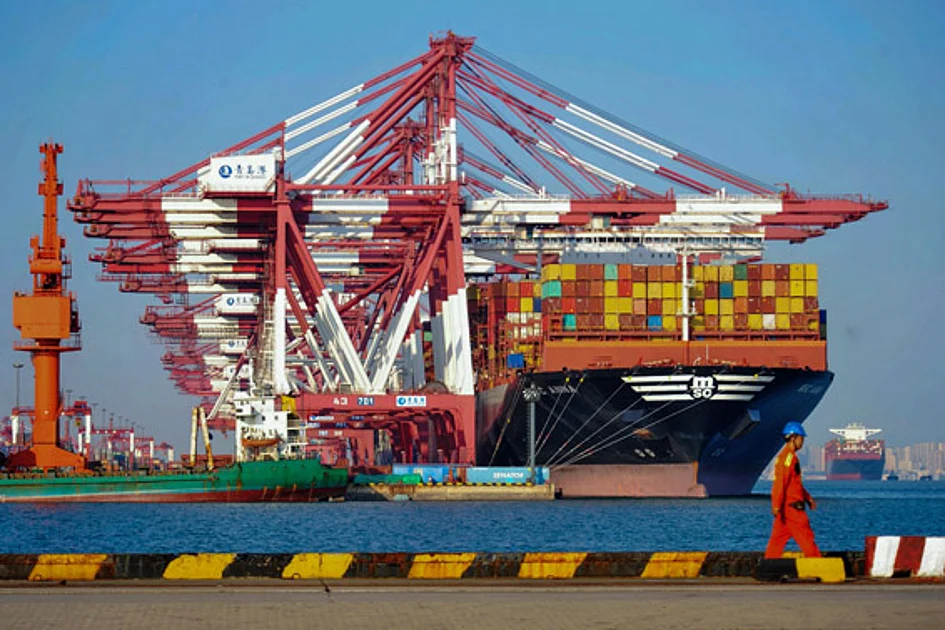
Trade dynamics have shifted significantly since the peak of tariff tensions in April 2025. Businesses have adapted through supply chain rerouting, while trade agreements have reduced effective U.S. tariff rates from approximately 25% to 18.5%. China’s growth forecast for 2026 was upgraded to 4.5%, reflecting both tariff reductions and successful export diversification to Southeast Asian and European markets.
The AI boom presents a dual-edged scenario: while driving current growth through investment and wealth effects, it carries inflation risks if development continues at its breakneck pace. Conversely, if anticipated productivity gains fail to materialize, market corrections could dampen economic momentum.
Regionally, the euro zone expects 1.3% growth in 2026, boosted by German public spending and strong performances in Spain and Ireland. Japan benefits from fiscal stimulus, while Brazil represents a notable exception with reduced growth projections due to tighter monetary policy combating inflation.
Globally, inflation continues its downward trajectory from 4.1% in 2025 to a projected 3.4% in 2027, creating conditions for more accommodative monetary policies that should further support economic expansion.