Across the United States, a growing shift in where Americans choose to live is reshaping small and mid-sized communities, driven by skyrocketing living costs in major urban centers and the widespread normalization of remote work post-pandemic. For many households, the dream of stable homeownership and financial breathing room has become unobtainable in large coastal cities – pushing thousands to pack their belongings and head for smaller, lower-cost towns that are rolling out the welcome mat with tangible financial incentives.
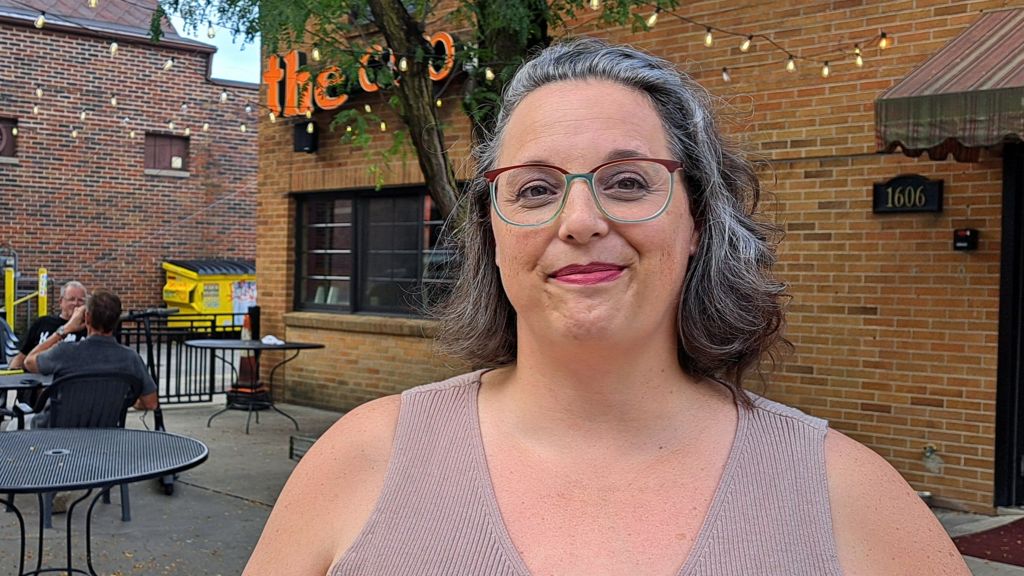
Brianna Beyrouti, a single mother working remotely for a national bank, embodies this growing trend. Just one year ago, she was trapped in a cycle of paycheck-to-paycheck living in Portland, Oregon, one of the country’s most expensive major metro areas. “I was absolutely financially drowning,” Beyrouti recalled. “Even a small unexpected expense, like new shoes for the kids, would send my budget into chaos. As a single parent, every financial burden falls solely on my shoulders.”
Last year, Beyrouti took advantage of a population growth incentive program and moved 2,000 miles east with her two children to Muncie, Indiana – a quiet small city of 65,000 residents, home to a state university and abundant open green space. The program covered $5,000 of her relocation costs, a boost that made the cross-country move feasible. What followed was a life-changing shift in her financial stability: Beyrouti kept her existing position with the bank, meaning her $107,000 annual salary stayed the same – but her cost of living plummeted.
In Portland, Beyrouti paid $1,290 a month for a small rental apartment. In Muncie, she purchased her first detached family home, where the combined monthly cost of her mortgage, property insurance, and property taxes comes out to just $1,100. When factoring in Indiana’s lower state income tax, reduced car insurance premiums, and cheaper energy bills, Beyrouti now saves roughly $600 every month. This newfound financial flexibility has allowed her to say “yes” to her children’s requests that were once out of reach – including the first family vacation her youngest child has ever taken. “My quality of life has increased dramatically,” she said. “I’m actually able to enjoy life now, not just scrape by.”
Beyrouti is far from the only American making this kind of move. A 2025 analysis from the National Association of Realtors confirms that housing affordability is now the top motivating factor for Americans relocating across state lines. Major population centers including New York City, Los Angeles, and Portland have all recorded sustained population dips in recent years, a trend accelerated by the post-Covid-19 rise in permanent remote work that eliminates the need for workers to live close to corporate office hubs.
For many small towns that have struggled with decades of population decline, this shift presents a rare opportunity to reverse years of outmigration. Muncie, for example, saw its population climb to 65,466 last year, up from 65,194 in 2020 – though it remains well below its 1990 peak of 71,828. To attract new remote-working residents from out of state, Muncie’s city council partnered with MakeMyMove, a national platform that connects workers with relocation incentive programs across hundreds of small US communities, to offer $5,000 in cash for moving costs. Participating communities pay MakeMyMove a subscription fee to list their programs, and many add extra perks to stand out, from complimentary local cinema tickets and restaurant gift cards to free bottles of regional wine.
So far, roughly 100 families have relocated to Muncie through the MakeMyMove program, and the platform reports it helped 1,000 people relocate across the country last year, with projections to hit 1,500 relocations in 2026. Another participant, scientist Elena Chrysostomou, made a similar move in 2024, leaving the expensive coastal city of San Diego, California, for Jacksonville, a rural Illinois town of just 17,700 people. The Jacksonville Regional Economic Development Corporation offered her $5,000 in cash plus an additional $4,000 quality-of-life package that includes free gym memberships and local golf course access.
Like Beyrouti, Chrysostomou experienced an immediate transformation in her financial outlook. In San Diego, she paid $3,000 a month to rent a small one-bedroom apartment. In Jacksonville, she now owns a three-bedroom home with a monthly mortgage of just $1,868. She also secured a new job in her field with a 22% pay raise, and her commute shrank from 15 minutes by car to just one minute. “I never thought I’d be able to afford a house on my own,” Chrysostomou said. “I always assumed I’d need a partner to qualify, and even then it would have been nearly impossible in San Diego. This move has given me so much more freedom, security, and independence.”
While both women say they have no regrets about their relocations, they acknowledge the tradeoffs that come with moving from a major metro area to a small town. Drawbacks include a far narrower range of entertainment and dining options, the emotional weight of leaving friends and family behind, and practical hurdles like helping children adjust to new schools – a challenge Beyrouti encountered in her first months in Muncie. Unlike in Portland, where Beyrouti could walk to neighborhood parks and grocery stores, she now relies on her car for every trip off her property.
Even with these adjustments, both women say the benefits far outweigh the downsides. For thousands of other Americans grappling with unaffordable housing and stagnant wages in big cities, their stories highlight a growing path to financial stability that has only become possible through the combination of remote work and proactive small-town recruitment policies.
I got paid $5,000 to move to a place I’d never heard of