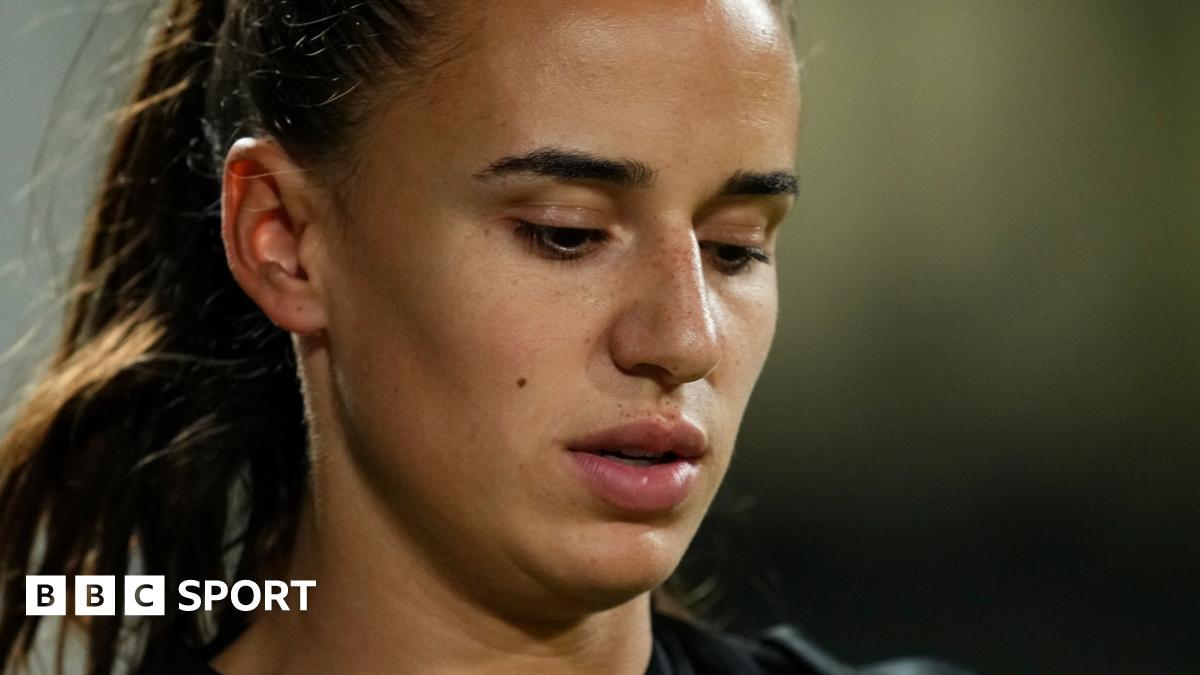
When Ashleigh Plumptre received an offer from Saudi Arabia in 2023, her initial reaction was to decline. The Nigerian international defender, whose contract with Leicester City was nearing its end, sought a new challenge that would inspire her both personally and professionally. After negotiations and a visit to the Middle East, Plumptre decided to make history by becoming the first player to transition from the Women’s Super League (WSL) to the Saudi Women’s Premier League (SWPL). Two years later, she has extended her contract with Jeddah-based Al-Ittihad and is determined to challenge Western stereotypes about life for female athletes in Saudi Arabia. However, she acknowledges the loss of trust from some LGBT fans and admits that Saudi women’s football has significant room for improvement both on and off the pitch. Born in England, Plumptre switched her international allegiance to Nigeria, the homeland of her paternal grandfather. Her decision to join Al-Ittihad, facilitated by her father and agent, Tim, was driven by a sense of opportunity rather than financial gain. The SWPL, launched in 2022, features 24 teams divided into three leagues, with clubs permitted to sign up to six foreign players. While the men’s Saudi Pro League has attracted global stars like Cristiano Ronaldo and Neymar, the women’s league is still in its infancy. Plumptre’s move sparked controversy, particularly among LGBT supporters, given Saudi Arabia’s strict laws against same-sex relations. Despite this, she emphasizes her commitment to the project and her belief in the potential for growth in Saudi women’s football. Plumptre’s experience in Saudi Arabia has been largely positive, with her feeling safer and more at ease in Jeddah than in the UK. She highlights the supportive environment within her gated community and the respectful treatment she receives. However, she acknowledges the challenges faced by Saudi women, including the lingering influence of the guardianship system. On the pitch, Plumptre notes the disparity in skill levels between international and local players and the lack of fan attendance at games. She remains optimistic about the league’s future, advocating for gradual progress and realistic goals rather than rushing to host major tournaments like the Women’s World Cup. Plumptre’s journey represents a bold step in the evolution of women’s football in Saudi Arabia, blending personal ambition with a commitment to fostering change in a traditionally conservative society.