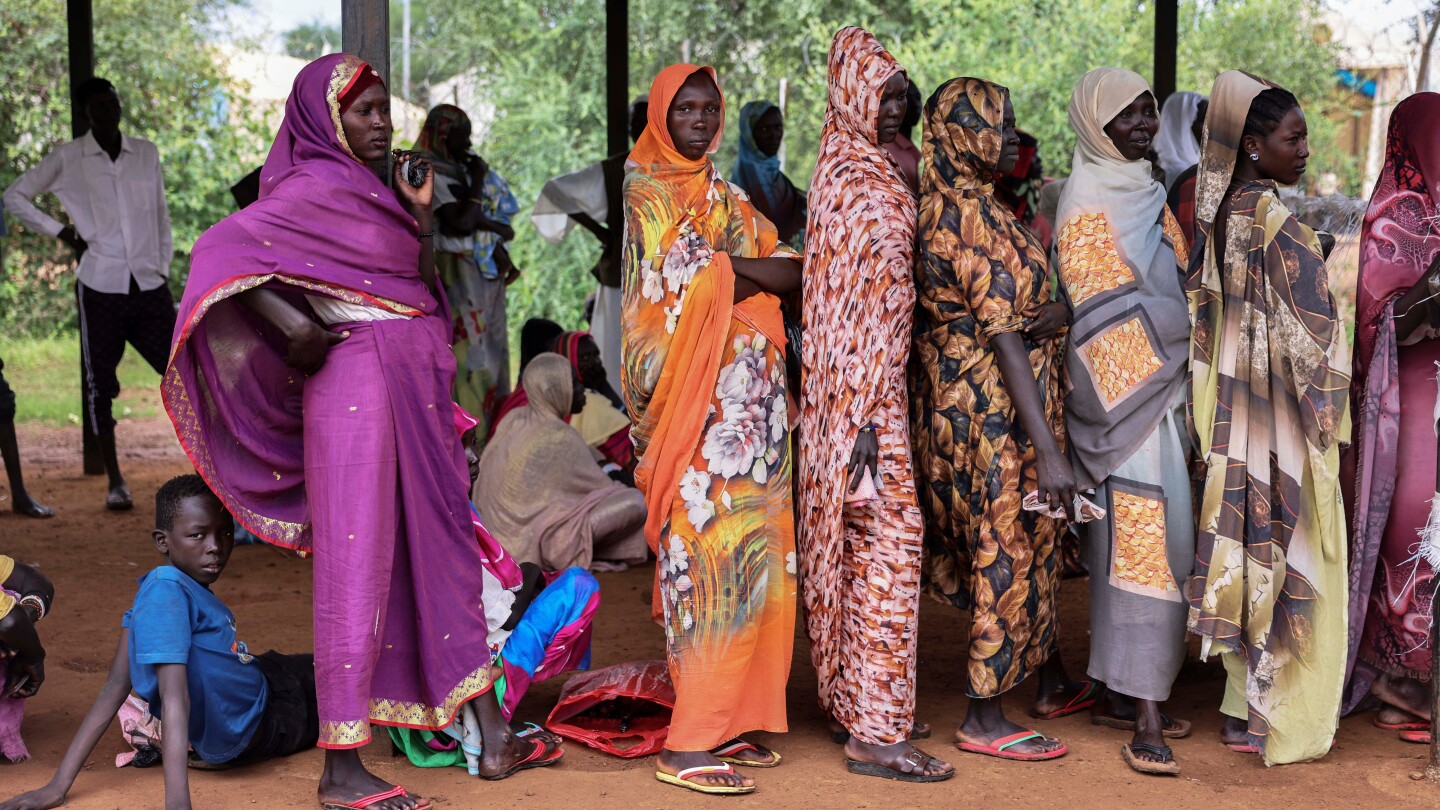
In the conflict-ridden regions of South Sudan, a dire humanitarian crisis is unfolding as food aid fails to reach thousands of vulnerable people. According to a report released by the Integrated Food Security Phase Classification (IPC), a global monitor, approximately 28,000 individuals in Nasir and Fangak counties are experiencing “catastrophic food insecurity,” the most severe level of hunger. The IPC has called for an “immediate and large-scale response” to avert a potential famine. These areas, historically controlled by the SPLM-IO opposition party led by suspended First Vice President Riek Machar, have been engulfed in violence for months. Machar faces treason charges related to a militia attack on a military garrison in Nasir, which the government claims resulted in the deaths of 250 soldiers. Government-led military operations, including aerial bombardments, have targeted opposition forces and allied militias throughout the year. The conflict has effectively partitioned Nasir, with opposition forces controlling large swathes of the county and government forces holding other areas. Heavy fighting and airstrikes have displaced tens of thousands of people, who now reside in informal sites along the Sobat River, a major tributary of the Nile. The violence has severely hindered aid delivery, with Mary-Ellen McGroarty, the South Sudan director for the World Food Program (WFP), stating that access restrictions have “significantly limited” their ability to reach eastern Nasir since February. However, a recent WFP-led mission secured access assurances, marking the first time aid will reach these populations this year. SPLM-IO spokesperson Lam Paul Gabriel accused the government of blocking aid to opposition-controlled areas, a claim denied by Stephen Kueth, chairperson of South Sudan’s Relief and Rehabilitation Commission. Kueth emphasized that food cannot be used as a weapon of war and highlighted government efforts to conduct airdrops in Nasir earlier this year. Despite these efforts, aid groups and opposition officials criticized the airdrops for targeting areas allegedly abandoned by civilians but occupied by the military. The IPC, the only globally recognized framework for declaring famine, outlines strict criteria for such a declaration, including malnutrition-related deaths, severe food shortages, and acute malnutrition among children. Famine declarations are rare, with the last in South Sudan occurring in 2017 during the civil war. Alarmingly, the IPC predicts that over half of South Sudan’s population will face severe hunger by 2026.
Hunger monitor says parts of South Sudan face famine threat after months without aid