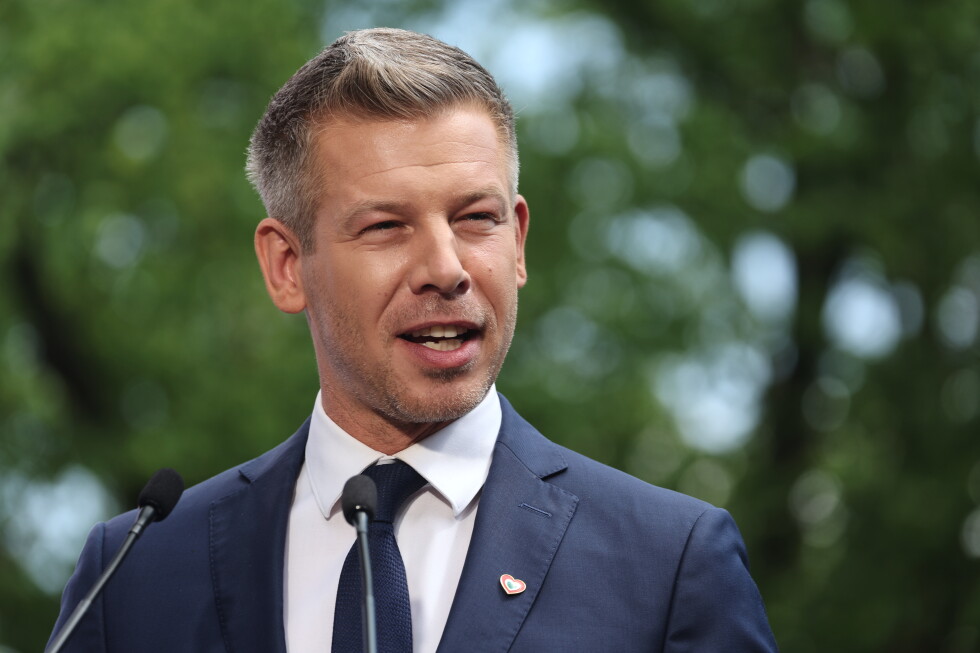
BUDAPEST, Hungary – Fresh off a historic electoral upset that ended 16 years of nationalist-populist rule under Viktor Orbán, newly installed Hungarian Prime Minister Péter Magyar announced Tuesday that his center-right Tisza party will launch six parliamentary investigative committees to probe allegations of widespread corruption and abuse of power from Orbán’s previous administration.
Magyar’s Tisza party secured a two-thirds parliamentary majority in last month’s national election, a decisive landslide victory that gave the new government the legislative power needed to roll back the controversial authoritarian-leaning policies that earned Orbán condemnation from critics and international observers as a far-right autocrat. Holding Orbán, his long-ruling Fidesz party, and their allied business networks accountable for alleged misconduct was a central pledge of Tisza’s election campaign.
Addressing lawmakers on the floor of parliament, Magyar outlined the scope of the upcoming investigations, which include the suspected misappropriation of hundreds of millions of dollars in public funds managed by Hungary’s National Bank – a case already undergoing active police examination. “We will put all corruption and abuses of power on full display,” Magyar stated. “The Hungarian people have the right to know who benefited from their money, who stole their money, who got rich from the vulnerability of the people.”
Throughout his four consecutive terms in office spanning 16 years, Orbán faced repeated accusations of systemic misuse of public funds, including directing hundreds of millions in profitable state contracts to close family members and a small circle of pro-Fidesz business elites. He was also widely criticized for systematically eroding independent democratic institutions, prompting the European Parliament to formally designate Hungary as no longer a full democracy in 2022.
Since Tisza parliamentarians took office earlier this month, the new majority has already tabled a landmark constitutional amendment that would cap the office of prime minister at a total of eight years. This new lifetime limit would apply to Magyar himself, and retroactively bars Orbán, who served 16 years in power, from holding the premiership again. On Tuesday, Magyar added that the government will also explore extending this term limit restriction to all other elected public offices, noting, “No one should imagine that electoral authority is inherited forever. Power exercised without limits leads to loss of control over time in any democratic system.”
One of the six investigative committees will also examine the controversial details of a 2024 presidential pardon granted to an accomplice in a child sexual abuse case by former Hungarian President Katalin Novák, a scandal that ultimately forced Novák’s resignation earlier this year.
In addition to the probes and term limits, Magyar’s administration has committed to further democratic overhauls: a constitutional amendment to dissolve Orbán’s controversial Sovereignty Protection Office, a 2023-created body that targeted non-governmental organizations, independent media, and opposition groups under the pretext of countering foreign interference. The new prime minister also vowed to eliminate long-held political privileges for senior officeholders, including cutting salaries for the prime minister, cabinet members, state-owned enterprise executives, and sitting lawmakers.