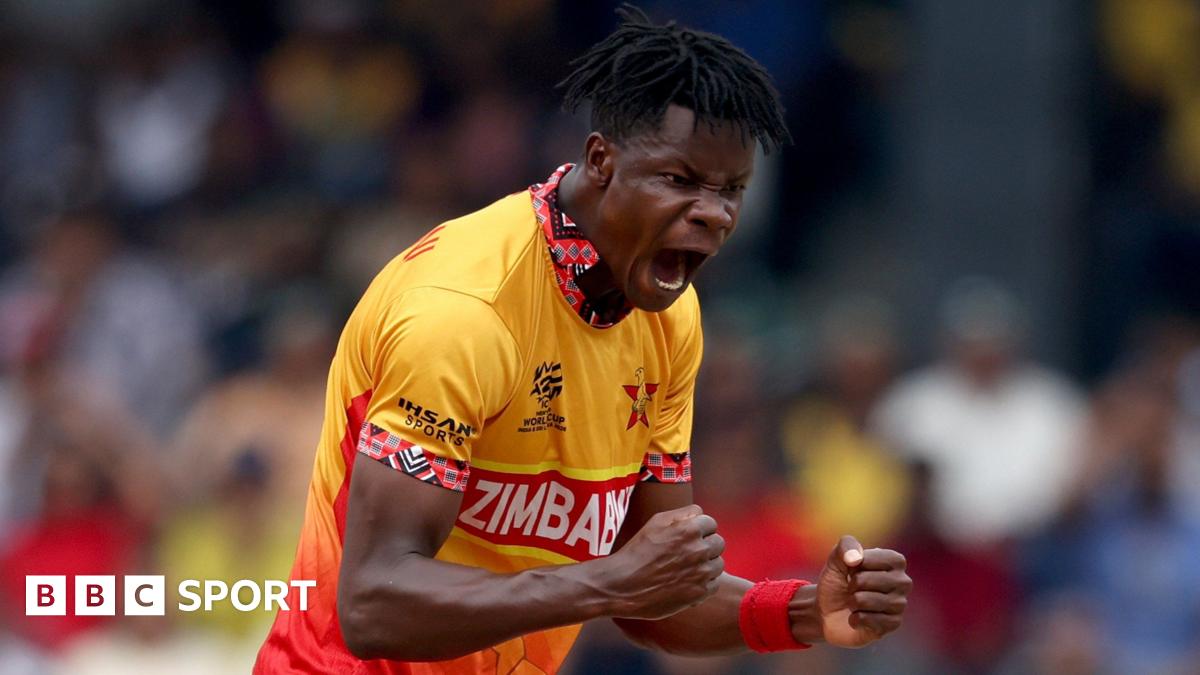
In a stunning display of resilience, Zimbabwe’s cricket team has completed one of sport’s most remarkable comebacks by defeating Australia and advancing to the Super 8 stage of the T20 World Cup. This achievement marks the culmination of a two-decade journey through political oppression, financial ruin, and international exile that nearly destroyed the nation’s cricket legacy.
The Chevrons’ current success stands in stark contrast to their dark period beginning in 2003, when players Andy Flower and Henry Olonga staged their iconic black armband protest against Robert Mugabe’s regime, symbolizing the ‘death of democracy’ in Zimbabwe. The subsequent years witnessed mass player resignations, voluntary suspension from Test cricket, and overwhelming debt that reached $27 million.
Former all-rounder Sean Williams recounted the bleakest era: ‘There were more office members employed than players. It looked like Zimbabwe Cricket was dying – if not dead.’ The crisis peaked in 2019 when the International Cricket Council suspended Zimbabwe from international competitions.
The turnaround began with chairman Tavengwa Mukuhlani’s financial restructuring that eliminated nearly all debt through stringent budgeting and staff sacrifices. Strategically, the board embraced an old-school approach focused on Test cricket development. ‘Let’s go back and play Tests – this is the only way our team’s going to improve,’ explained Zimbabwe Cricket managing director Givemore Makoni.
Pivotal appointments included Justin Sammons as head coach in 2024, who implemented rigorous fitness programs and promoted young talents like Brian Bennett and Blessing Muzarabani. However, the team’s heartbeat remains captain Sikandar Raza, whose journey from failed fighter pilot aspirant to cricketing superstar embodies Zimbabwe’s resilience. Raza’s leadership proved crucial when he rallied the team after poor performances forced them to qualify through a tournament in Kenya.
The current World Cup campaign has electrified the nation, with Raza noting: ‘This is probably the first time in a long time where fans have travelled to support. We have given them hope that this team is onto something.’
Despite a recent 107-run defeat to West Indies in the Super 8 stage, Zimbabwe’s victories against former champions Australia and Sri Lanka have already secured their place as tournament darlings. With the 2027 ODI World Cup co-hosted by Zimbabwe on the horizon, the nation’s cricket future appears brighter than ever. As former captain Tatenda Taibu reflected: ‘Possibilities? They are always there where Zimbabwe is concerned.’