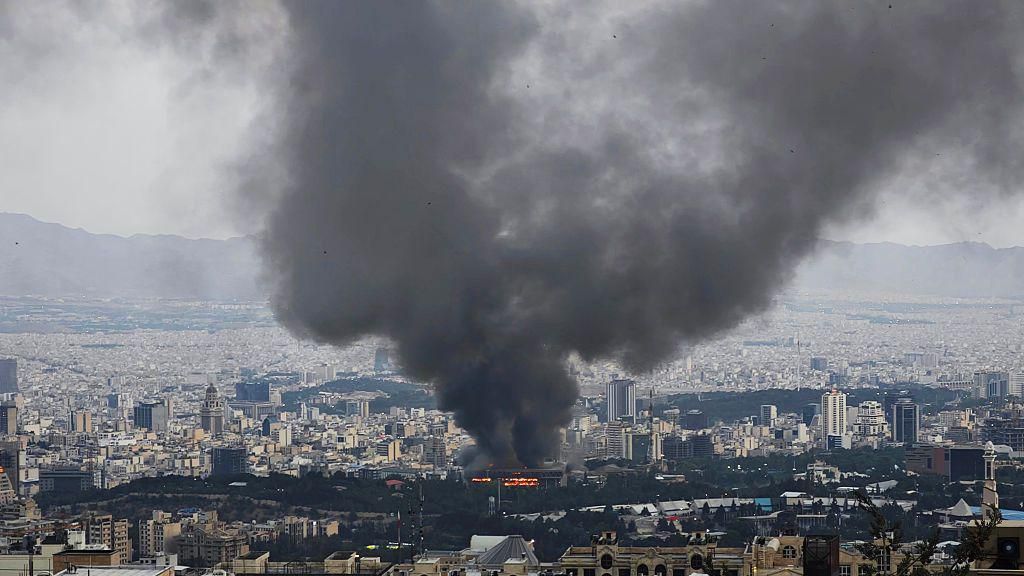
A coordinated military offensive by United States and Israeli forces struck targets across multiple Iranian cities on Saturday, triggering a severe escalation in Middle Eastern tensions and drawing widespread international condemnation. US President Donald Trump characterized the operations as “major combat actions” aimed at neutralizing threats from Tehran’s regime.
The assault prompted an immediate response from Iran’s Revolutionary Guard Corps (IRGC), which announced Operation “Truthful Promise 4” targeting American military installations and assets throughout the Middle East. This exchange of hostilities follows weeks of heightened diplomatic friction concerning Iran’s nuclear advancement programs.
Global reactions reflected deepening concern over regional stability. United Nations Secretary-General Antonio Guterres issued a stark warning, stating that these military actions “undermine international peace and security” and risk triggering broader regional conflict with catastrophic humanitarian consequences. He urgently called for cessation of hostilities and immediate de-escalation.
European leaders including French President Emmanuel Macron, German Chancellor Friedrich Merz, and UK Prime Minister Keir Starmer released a joint communiqué emphasizing their non-participation in the strikes while urging Tehran to pursue diplomatic resolutions. Their statement highlighted consistent appeals for Iran to terminate its nuclear and missile development initiatives and cease internal repression.
Oman’s Foreign Minister Badr Albusaidi, who had been mediating nuclear negotiations between Washington and Tehran, expressed dismay that serious diplomatic efforts had been undermined. He explicitly warned the US against deeper military engagement, stating this conflict “is not your war.”
Russian officials condemned the strikes as “reckless” actions disguised under negotiation pretenses, while Saudi Arabia denounced Iranian retaliatory measures against neighboring Gulf states and affirmed solidarity with affected nations.
Despite claiming non-involvement in offensive operations, British authorities confirmed RAF aircraft were conducting “coordinated regional defensive operations” to protect national interests and allies. Australian leadership endorsed US efforts to prevent Iranian nuclear weapon acquisition, framing it as necessary for international security.
Human rights considerations emerged prominently, with UN Human Rights Chief Volker Türk emphasizing civilian protection obligations under international law. He noted that civilians invariably bear the ultimate cost in armed conflicts and urged all parties to return to negotiation frameworks.
The political dimension intensified as both Trump and Israeli Prime Minister Benjamin Netanyahu addressed Iranian citizens directly, encouraging uprising against their government and promising support for regime change. This unprecedented call for domestic rebellion adds complex geopolitical dimensions to the military confrontation.