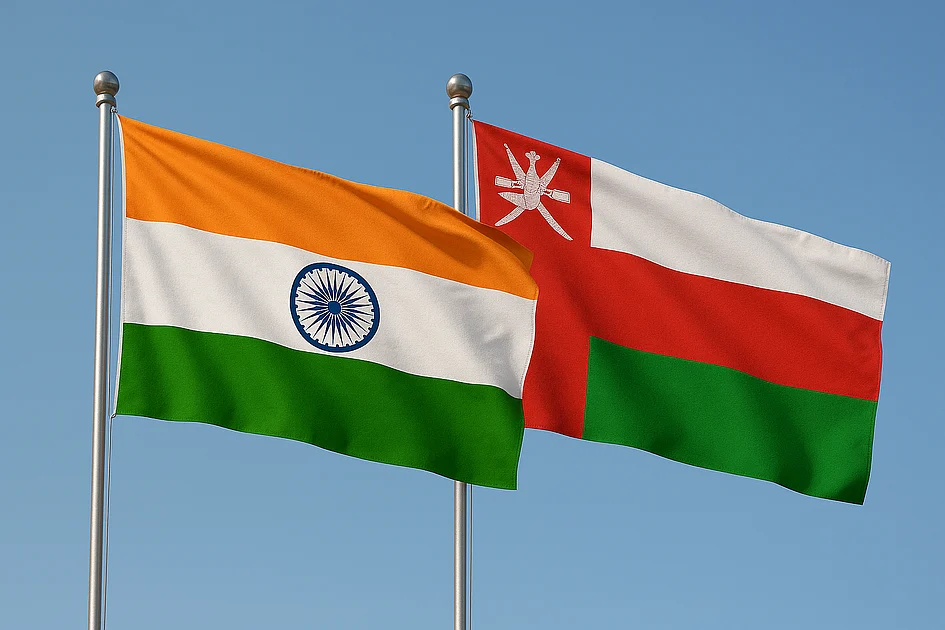
The upcoming signing of the India-Oman Comprehensive Economic Partnership Agreement (CEPA) during Prime Minister Narendra Modi’s state visit to Muscat represents a transformative moment in bilateral relations that extends far beyond conventional trade diplomacy. This landmark free trade agreement culminates decades of deepening trust and shared economic aspirations between the two nations, positioning Oman as India’s strategic gateway between Eastern and Western markets.
Historical ties between India and Oman, rooted in centuries of commercial and maritime engagement, have evolved into a robust modern economic relationship. Recent bilateral trade figures demonstrate remarkable growth, with total exchange reaching approximately $10.61 billion in fiscal year 2024-25—an impressive 18.6% year-on-year increase. India exported $4.07 billion in goods to Oman while importing $6.55 billion worth of Omani products, reflecting a balanced economic interdependence.
The CEPA framework addresses longstanding trade barriers that previously hindered optimal commercial exchange. By eliminating varying duties and streamlining regulatory hurdles, the agreement creates enhanced market access across critical sectors including engineering goods, pharmaceuticals, chemicals, textiles, and value-added agricultural products. This comes as particularly timely support for India’s engineering goods sector, which has recently faced global economic headwinds despite being India’s second-largest export category to Oman.
Oman’s significance extends beyond trade volumes, with India ranking among Oman’s top trading partners and serving as the fourth-largest source of imports. The relationship is further strengthened by more than 6,000 India-Oman joint ventures representing billions in capital commitments and a substantial Indian expatriate community that contributes significantly to Oman’s economic and cultural landscape.
The agreement aligns strategically with Oman’s Vision 2040 national transformation program, which seeks to diversify the economy beyond hydrocarbon resources. The FTA facilitates foreign investment, technology transfer, and entrepreneurial development while leveraging Oman’s petrochemical resources, logistics infrastructure, and access to crucial maritime routes.
This partnership emerges amid shifting global economic alignments, with nations increasingly pursuing regional agreements to enhance supply chain resilience and strategic autonomy. Building on the success of India’s 2022 UAE CEPA, the Oman agreement establishes a new model for deeper economic collaboration across the Gulf Cooperation Council region, potentially reshaping regional trade dynamics for years to come.