Since the outbreak of open conflict between Iran and Israel backed by the United States earlier this year, Saudi Arabia — Iran’s long-standing regional rival — has faced intense diplomatic and strategic pressure over how to respond to the expanding Middle East war. After initially condemning Iranian retaliatory strikes on Saudi and other Gulf Arab territory that followed early U.S. and Israeli military moves in late February, emerging reports indicate Riyadh has shifted toward more direct engagement against Tehran. By May, anonymous U.S. and Iranian officials fueled widespread speculation that the kingdom had launched covert strikes on Iranian soil, a step that dramatically raises the risk of a full-blown regional conflict that could draw in global powers.
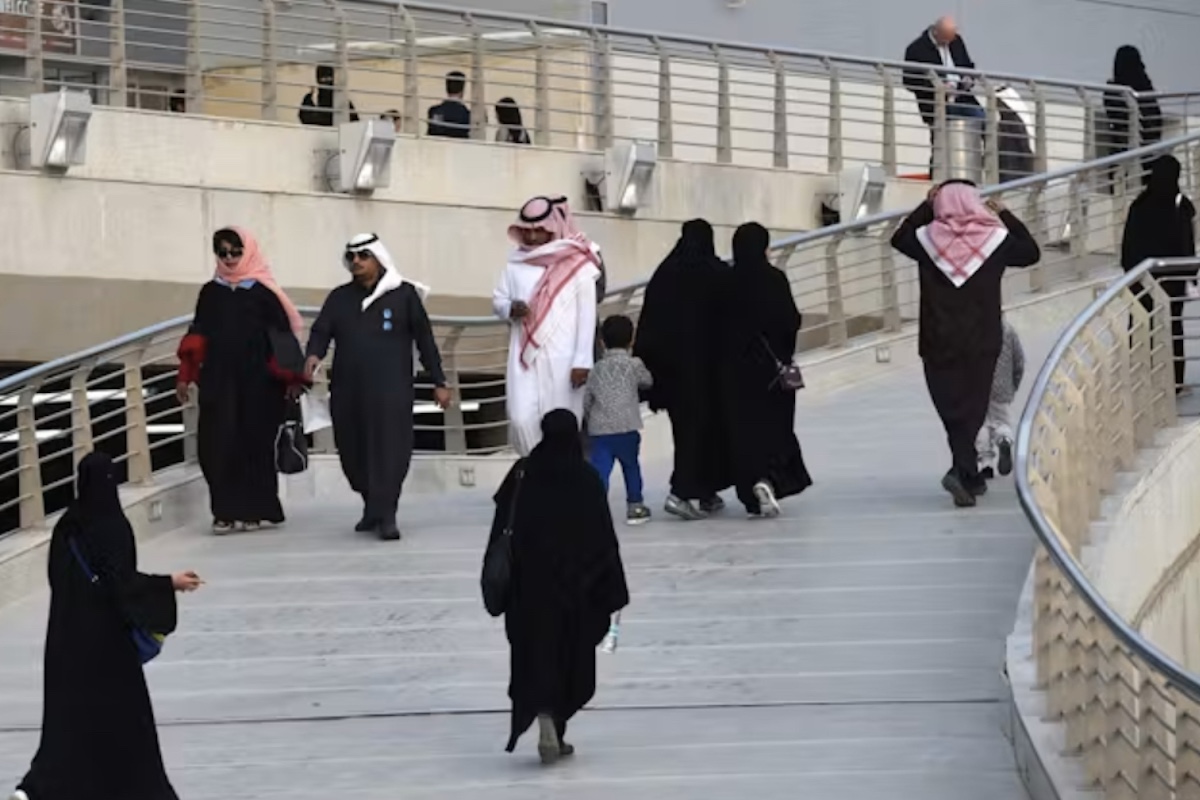
Against this high-stakes backdrop, little verified information has existed about how Saudi citizens view potential military confrontation with Iran, due to the kingdom’s restrictive political environment that makes independent public opinion polling extremely rare. To fill this critical information gap, two political scientists specializing in Middle Eastern affairs have conducted ongoing independent survey research of Saudi nationals starting in March 2026, tracking domestic attitudes toward alignment with the United States and offensive military action against Iranian missile infrastructure.
To overcome barriers to traditional polling in the authoritarian kingdom, the research team used a custom social media targeting platform it has deployed for regional surveys since the mid-2010s, and applied Bayesian statistical adjustment to correct for online sampling bias, aligning the sample with age, gender, and geographic demographic proportions from the official Saudi census. To date, the project has collected more than 300 valid responses from all regions of Saudi Arabia, creating a rare independent snapshot of domestic public opinion at a moment of regional crisis.
The survey’s first key finding upends some common assumptions about Saudi attitudes toward the U.S. alliance: roughly 75% of respondents agreed or strongly agreed that Saudi Arabia should strengthen its bilateral relationship with Washington, even after the U.S. launched strikes on Iran on February 28 without extensive consultation with Gulf allies. Conventional analysis predicted that unilateral U.S. escalation would erode public support for alignment, but the data shows the opposite: Iranian strikes on Gulf territory have actually reinforced Saudi public backing for the U.S. security partnership, even among those who view the alliance as imperfect.
When it comes to direct Saudi military strikes against Iranian missile launch sites, however, the public is sharply split: 49% of respondents support offensive action, while 51% oppose it. The data also shows correlated attitudes: respondents who support closer U.S. ties are far more likely to back military action against Iran, while opponents of alignment overwhelmingly oppose escalation. Demographic breakdowns reveal clear gaps in opinion: support for strikes hits 61% among middle-aged Saudis, compared to 45% among younger Saudi citizens, and 54% of male respondents back action versus just 43% of female respondents.
Notably, the Saudi public has not hardened into extreme blocs of hawks and doves. Only 15% of respondents strongly support military action, and just 16% strongly oppose it. The vast majority of respondents hold ambivalent middle-ground views, indicating that most Saudi citizens distinguish between supporting the long-term U.S. security commitment and backing open military escalation against Iran.
These findings help resolve the apparent contradiction in recent reported Saudi behavior: multiple media outlets have confirmed that the Saudi air force carried out covert airstrikes on Iranian territory in May, a major break from Riyadh’s decades-long policy of relying on the U.S. security umbrella established after World War II. At the same time, reports claim Crown Prince Mohammed bin Salman, Saudi Arabia’s de facto leader, privately pressured U.S. President Donald Trump to maintain intense military pressure on Iran, calling the conflict a historic opportunity to weaken the kingdom’s rival. Yet publicly, Riyadh has maintained a posture of restraint, focused on its long-standing goal of de-risking the region to protect its economic and infrastructure interests.
The survey data clarifies why this mixed approach makes political sense for Saudi leadership. Even in authoritarian systems without electoral accountability, rulers remain highly sensitive to the domestic political costs of acting against broad public preferences. The poll shows Saudi leaders face competing incentives: they need to uphold the deterrent value of the U.S. alliance and demonstrate resolve against Iranian aggression, but they also want to avoid the domestic political backlash that would come from overt full-scale war.
From this perspective, Saudi Arabia’s strategy of public restraint paired with reported covert action to degrade Iranian capabilities is a deliberate compromise. It allows the kingdom to advance its core regional security objectives without triggering the domestic political risks that open, large-scale escalation would bring.