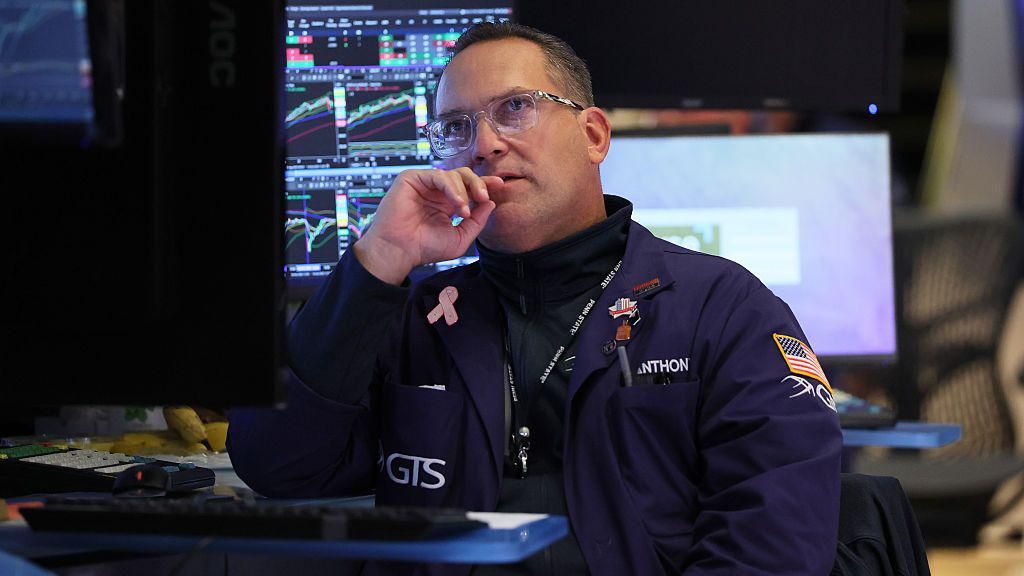
US financial markets have been grappling with persistent volatility in recent weeks, driven by a mix of sector-specific concerns and broader economic uncertainties. The latest wave of anxiety emerged from the banking sector, as two regional lenders warned of potential losses due to alleged fraud. This follows earlier market turbulence sparked by renewed US-China tensions over tariffs, advanced technology, and access to rare earths. Additionally, the bankruptcies of car parts supplier First Brands and subprime car lender Tricolor in September further fueled investor unease. Despite these challenges, major US stock indexes have shown resilience, with the S&P 500 posting a 13% gain year-to-date, albeit lower than 2024’s performance. Sam Stovall, chief investment strategist at CFRA Research, attributes this strength to improved corporate profits and the burgeoning enthusiasm surrounding artificial intelligence (AI). However, the market’s robust performance has paradoxically heightened concerns about overvaluation. Analysts have increasingly warned of a potential AI bubble, with major players investing heavily in the sector without clear long-term profitability. The Bank of England, JP Morgan Chase CEO Jamie Dimon, and US Federal Reserve Chair Jerome Powell have all echoed these concerns, emphasizing the risk of a sharp market correction. The International Monetary Fund (IMF) also highlighted complacency in its recent financial stability report, citing trade tensions, geopolitical uncertainty, and rising sovereign debt as key risks. Despite these warnings, many investors remain optimistic. Analysts at Goldman Sachs and Wells Fargo have raised their year-end forecasts for the S&P 500, while David Lefkowitz of UBS Global Wealth Management anticipates the index to reach around 6,900 points, a 4% increase from current levels. Lefkowitz noted that while fraud allegations in the banking sector are concerning, overall default levels remain healthy, and AI demand shows no signs of waning. Stovall, however, cautioned that while the current bull market has been resilient, corrections and bear markets are inevitable, even if delayed. With sticky inflation and political uncertainties in Washington, the market rally remains ‘unloved,’ yet investors continue to navigate the complexities of an evolving economic landscape.