Amidst global trade tensions and geopolitical conflicts, the Gulf Cooperation Council (GCC) nations are demonstrating remarkable economic resilience, largely powered by sophisticated logistics infrastructure. Recent economic indicators reveal substantial growth, with Dubai’s economy expanding by 4% in Q1 2025, achieving a GDP of AED119.7 billion, while Saudi Arabia received a upgraded World Bank growth forecast of 3.2% for 2025, including an impressive 8% projected growth for its tourism sector.
The UAE’s economic stability is bolstered by rapid population growth driven by expatriate inflows, tourism, and increased global investment. Key sectors including real estate, tourism, hospitality, entertainment, and healthcare are performing exceptionally well, positioning Dubai to navigate strong consumer demand throughout 2025.
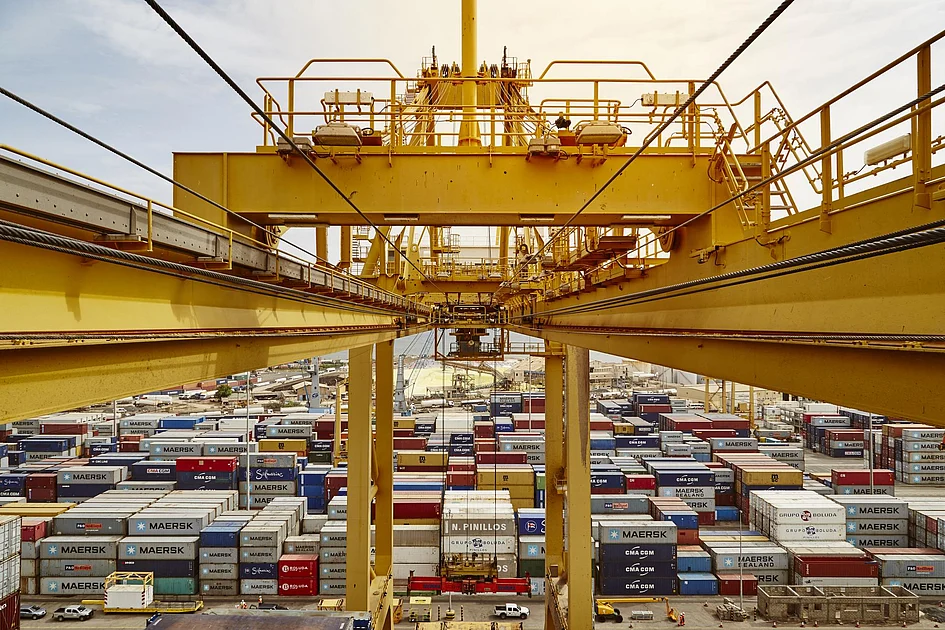
Central to this economic success is the region’s advanced logistics capability. Qatar’s strategic positioning and developed infrastructure have established it as a crucial trade hub connecting African, Asian, and European markets. In Dubai, Jebel Ali Port has emerged as a global logistics powerhouse, handling approximately 19 million containers annually. Complemented by two world-class airports, Dubai has created an integrated transportation network enabling efficient air, sea, and road connectivity.
The logistics sector’s sophistication is particularly evident in temperature-sensitive supply chains. Dubai’s hospitality industry, supporting 80% of the UAE’s 340 fine dining establishments, requires precise temperature control to maintain product integrity. Similarly, the pharmaceutical sector demands specialized cold chain solutions, with the UAE demonstrating consistent per capita healthcare spending growth and Saudi Arabia investing over $65 billion in healthcare infrastructure.
Major logistics operators are responding to these demands with significant investments. DHL has announced plans to allocate €2 billion globally toward healthcare logistics by 2030, with 25% dedicated to the EMEA region. These developments align with the UAE’s National Food Security Strategy 2051, which emphasizes import source diversification and sustainable local production.
Technological integration is transforming regional logistics operations. Digitalization initiatives including predictive maintenance, warehouse robotics, and AI-driven forecasting are optimizing supply chain management. These advancements enable businesses to comply with increasingly stringent regulatory requirements while improving cost efficiency and responsiveness.
The construction, tourism, and entertainment sectors particularly benefit from these logistics capabilities, requiring timely movement of materials and goods for events and exhibitions. The aviation sector similarly demands expanded logistics services as regional carriers increase fleets and launch new routes.
As the UAE aims to double its GDP to over $800 billion by 2030, logistics infrastructure will play a pivotal role in sustaining development initiatives. Investments in specialized transport solutions, temperature monitoring technologies, and expanded cold chain capacity will ensure the region maintains its competitive advantage while supporting continued economic growth.