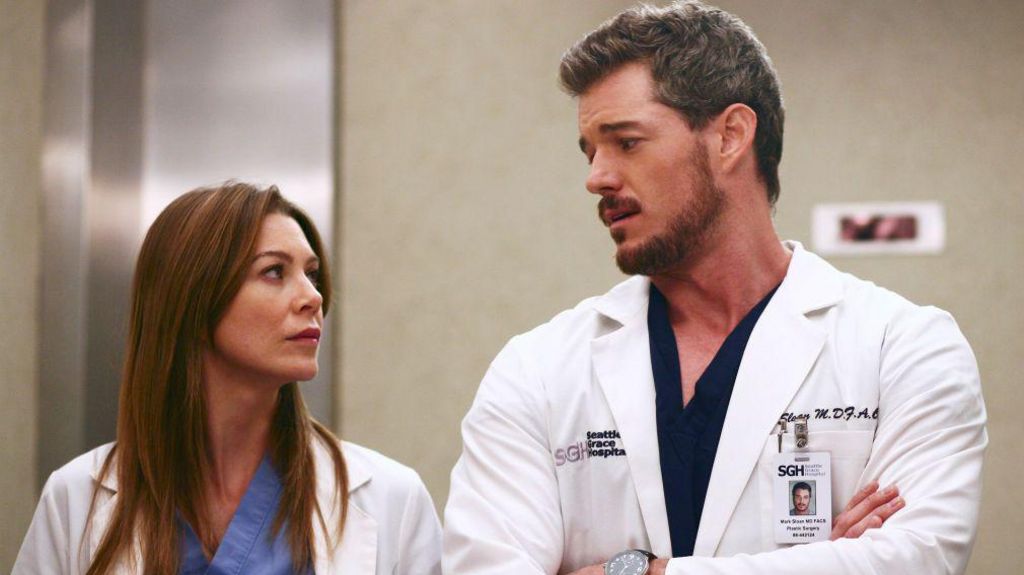
Eric Dane, the acclaimed actor renowned for his portrayal of Dr. Mark ‘McSteamy’ Sloan on the hit medical drama Grey’s Anatomy, has passed away at age 53 following a courageous battle with amyotrophic lateral sclerosis (ALS). His death comes just ten months after publicly disclosing his diagnosis with the progressive neurodegenerative condition.
Dane transformed his personal health struggle into a powerful advocacy mission, dedicating his final months to raising both funds and public consciousness about ALS, the most prevalent form of motor neurone disease. In a poignant interview with Time magazine published shortly before his passing, the actor revealed his dual motivation: ‘I’m trying to save my life,’ while simultaneously striving to advance research for countless others affected by the incurable illness.
The California-born performer launched an ambitious three-year campaign last September targeting over $1 billion in federal research funding. His advocacy efforts included joining the board of Target ALS, where his involvement helped surpass a $500,000 fundraising goal. Dane further leveraged his acting profession to illuminate the ALS experience, delivering a critically acclaimed performance on medical drama Brilliant Minds as a firefighter confronting the emotional and physical realities of diagnosis.
Medical experts emphasize the particular challenges in treating ALS, which Professor Kevin Talbot of Oxford University describes as lacking ‘a single unifying cause.’ The disease’s rapid progression and relatively small patient population create significant obstacles for clinical trials, as noted by Neil Thackur of the ALS Association.
Dane’s condition deteriorated rapidly following his April 2025 diagnosis. Colleagues including Grey’s Anatomy co-star Patrick Dempsey reported the actor had become bedridden with severely compromised swallowing and speech functions. Despite these challenges, Dane maintained his public advocacy until the end, telling People magazine that sharing his journey had become ‘imperative’ because he no longer felt his life was ‘about me anymore.’
While medical interventions can improve quality of life for ALS patients, Professor Talbot emphasizes that finding a cure will require ‘major funding, sustained for years’ to overcome the complex biological mechanisms underlying not just ALS but other neurodegenerative disorders including Alzheimer’s and Parkinson’s diseases.