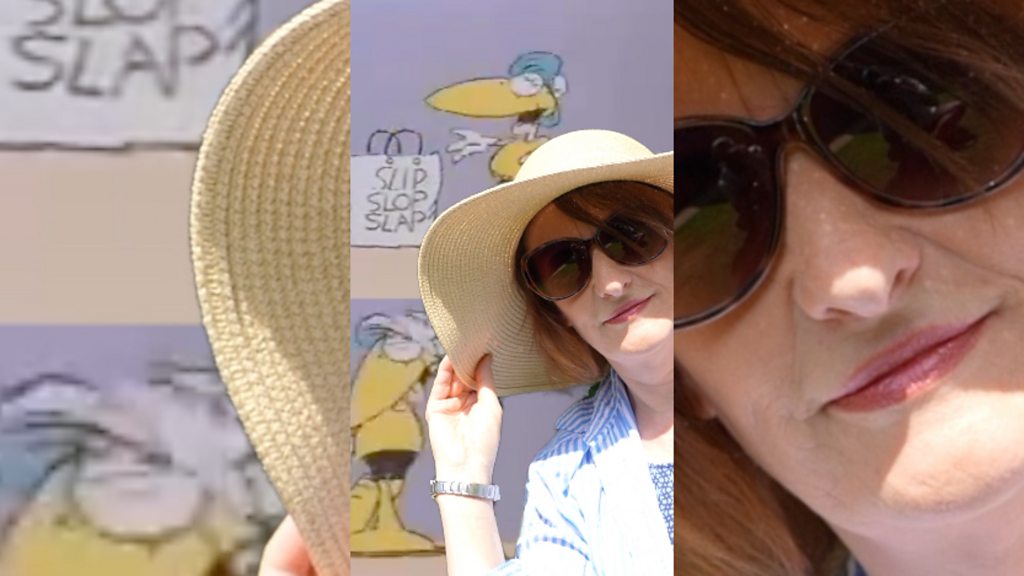
Skin cancer has long been one of the most pressing public health challenges for sun-drenched nations like Australia, where high ultraviolet radiation levels put residents at constant elevated risk. Four decades ago, public health officials made a pivotal decision to tackle this crisis from the ground up, focusing on the youngest generation to build lifelong safe sun habits. In 1981, they launched a revolutionary nationwide public education campaign that swapped dense clinical messaging for approachable, memorable pop culture-style content to teach children how to protect themselves from harmful sun exposure.
The centerpiece of this innovative campaign was Sid the Seagull, a cheerful yellow cartoon character paired with an upbeat, catchy jingle that quickly embedded itself in the national consciousness. Unlike traditional public health announcements that relied on dry warnings and statistics, the campaign framed sun safety as a simple, everyday habit children could easily adopt. By leveraging a beloved cartoon mascot and an easily recallable tune, public health experts made core lessons about seeking shade, wearing protective clothing, and applying sunscreen stick with kids far more effectively than any textbook or lecture could.
Decades later, this pioneering initiative is still held up as a global model for community-focused public health education. What began as a single national campaign to reduce rising skin cancer rates has reshaped how countries around the world approach sun safety outreach, proving that accessible, engaging messaging targeted at children can create generational shifts in health behavior.