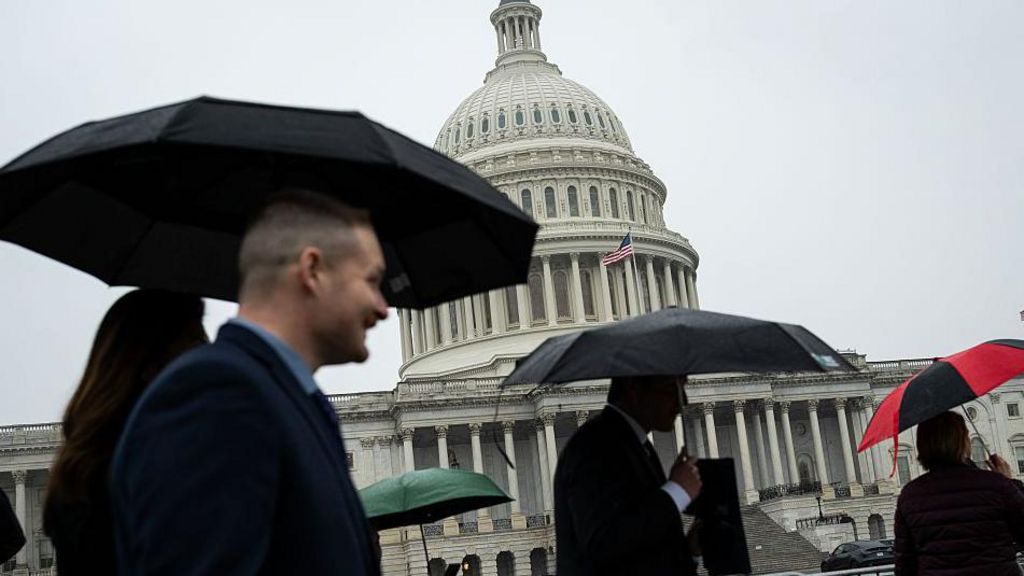
In a decisive partisan vote, the US House of Representatives has blocked a congressional resolution seeking to limit President Donald Trump’s military authority regarding Iran. The 219-212 rejection followed party lines and came just one day after a similar legislative effort failed in the Senate.
The War Powers Resolution, while largely symbolic given an anticipated presidential veto, represented growing congressional concern over executive military actions. Democratic lawmakers have intensified their criticism of the administration’s unilateral strike authorization, questioning whether the alleged Iranian threat met the legal standard of “imminent” danger required for independent presidential action.
House Speaker Mike Johnson defended the rejection, stating, “The prospect of stripping our commander in chief’s authority to complete this mission represents a frightening scenario.” The administration has since revised its conflict timeline projection to eight weeks—nearly double President Trump’s initial weekend estimate.
Constitutional debates surrounding the 1973 War Powers Act resurfaced during deliberations. Secretary of State Marco Rubio noted that “no presidential administration has ever accepted the War Powers Act as constitutional—whether Republican or Democratic.” The administration maintains it complied with legal requirements by notifying the bipartisan “Gang of Eight” congressional leaders before initiating strikes.
Some Republican legislators indicated their opposition might shift if the conflict escalates, suggesting conditional support for future war powers limitations. The resolution would have terminated unauthorized military engagement in Iran without congressional approval.
This development occurs against the backdrop of previous unilateral military actions ordered by President Trump, including strikes against Iranian nuclear facilities and the January operation targeting Venezuelan President Nicolás Maduro.