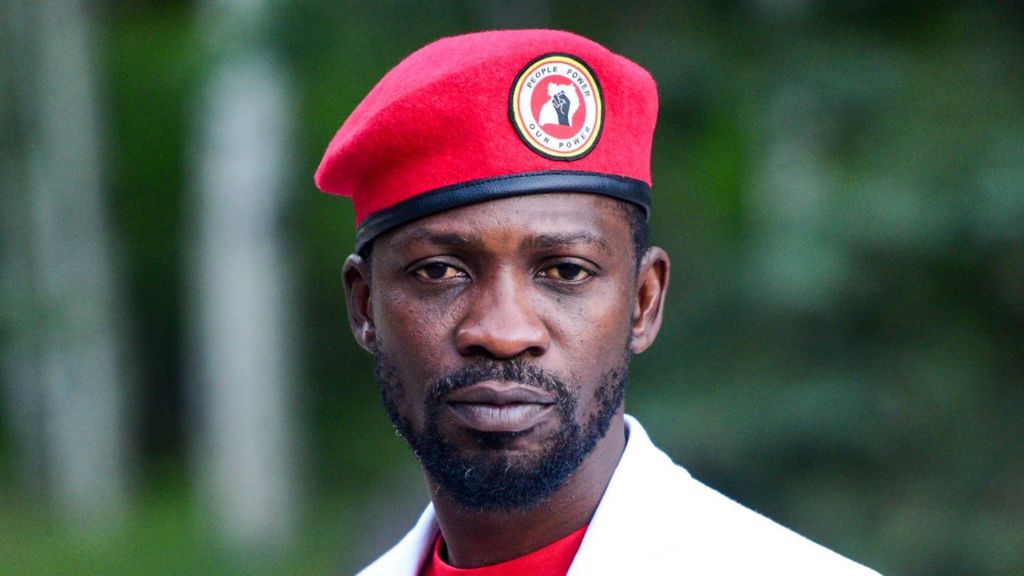
In Uganda’s high-stakes political arena, musician-turned-opposition-leader Bobi Wine presents a formidable challenge to President Yoweri Museveni’s 40-year reign as the nation approaches pivotal elections on January 15. The 43-year-old revolutionary, born Robert Kyagulanyi Ssentamu, has transformed from entertainment icon to political force through his powerful connection with Uganda’s youth demographic.
Wine’s political journey began dramatically in 2017 when he won a parliamentary by-election in Kyadondo-East constituency with a landslide victory, securing five times more votes than his ruling party opponent. His grassroots movement, People Power, evolved into the National Unity Platform (NUP) party, now Uganda’s primary opposition vehicle. The movement’s signature red berets have become symbols of resistance against Museveni’s establishment.
The opposition leader’s campaign focuses squarely on systemic corruption, youth unemployment crisis, and wealth redistribution—issues resonating deeply in a country where 78% of the population is under 35. Wine’s upbringing in Kampala’s Kamwokya slum informs his ‘ghetto president’ persona, creating stark contrast with Museveni’s military-backed regime.
His political ascent has come at tremendous personal cost. Wine has endured multiple arrests on charges widely condemned as politically motivated, including illegal firearms possession and treason allegations that were eventually dropped. The 2018 detention sparked international outcry, with music luminaries like Coldplay’s Chris Martin and Gorillaz’s Damon Albarn petitioning for his release.
The 2021 presidential election witnessed deadly violence, with dozens killed during campaign periods. Despite securing 35% of votes against Museveni’s 59%, Wine rejected the results citing widespread irregularities. His perseverance earned global recognition through the Oscar-nominated documentary ‘Bobi Wine: The People’s President’.
As the new election approaches, Wine campaigns under heavy security protection, with supporters forming human shields against state violence. He maintains that Uganda is ready for civilian leadership, asserting constitutional military subordination to civilian authority despite concerns about his non-military background.
‘The military must respect civilian authority according to our constitution,’ Wine insists, framing the election as ‘a liberation movement through ballot box protest.’ His message continues to galvanize young Ugandans seeking change from Africa’s third-longest serving president.