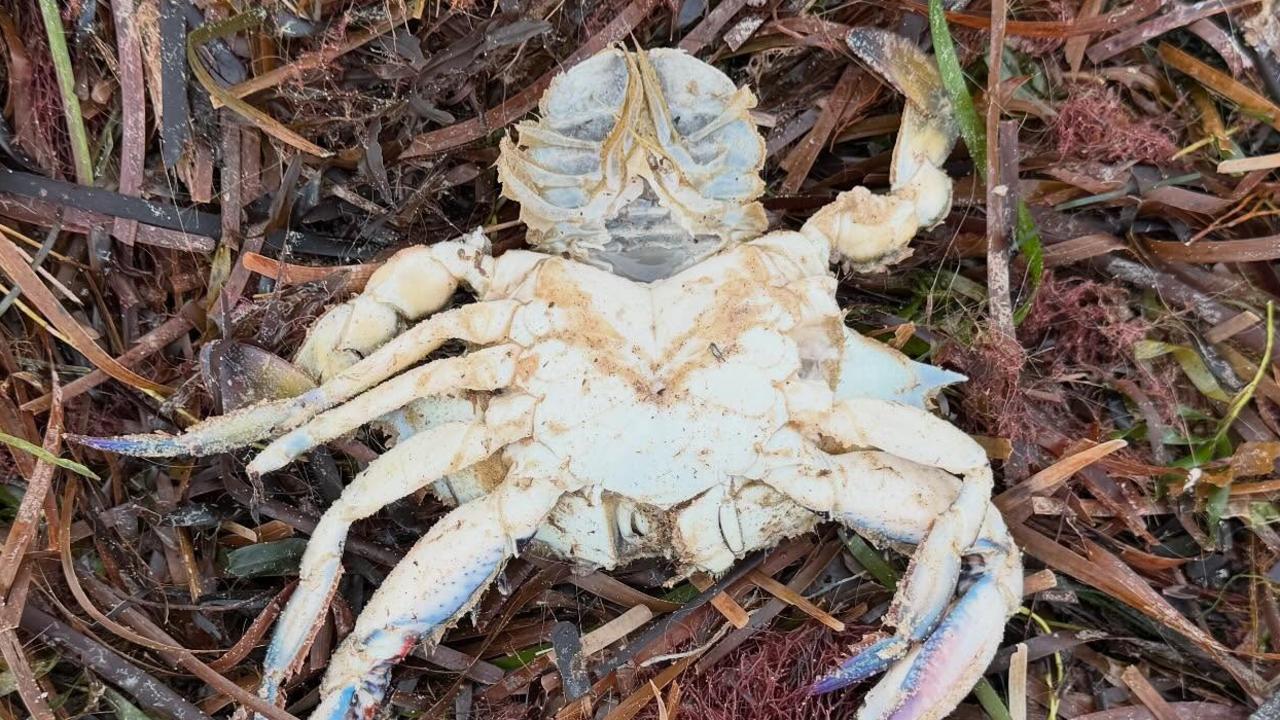
On a usual weekend, Glenelg Beach—one of South Australia’s most beloved coastal tourist destinations, famous for its sweeping sunlit white sand dunes and calm shoreline—draws hundreds of locals and vacationers looking for relaxation and seaside recreation. This past weekend, however, visitors arrived to a gruesome, shocking scene: the entire stretch of shoreline was littered with hundreds of dead crab carcasses, turning the popular recreational spot into what one photographer has called a “dypetian horror story” crab cemetery.
Local photographer Susan Belperio, who captured stark, distressing images of the mass mortality event, told local media outlet FIVEaa on Tuesday that the phenomenon is not isolated to Glenelg Beach. Nearby coastal stretches have also seen large numbers of dead crabs wash ashore, she confirmed.
Following widespread public reports of the discovery, South Australia’s Department of Primary Industries and Regions (PIRSA) has launched a formal investigation to pinpoint the exact cause of the unprecedented mass die-off. A PIRSA spokesperson confirmed that agency scientists have collected tissue and water samples from the site, and active analysis is ongoing to identify what led to the crabs’ deaths.
“While the cause of this incident is not yet known, marine mortality events can occur from a variety of causes, including changes to environmental factors such as temperature, salinity or oxygen levels, or through the introduction of disease or pollutants,” the spokesperson explained in an official statement.
Notably, authorities have already ruled out a connection to the devastating toxic algal bloom that has ravaged South Australia’s coastal ecosystems since March 2025. That ongoing bloom, driven by the toxic algae karenia, has spread across nearly 20,000 square kilometers of SA coastline, concentrated primarily around the Fleurieu Peninsula. It has already killed countless marine animals including fish, dolphins and cuttlefish, with projected economic losses hitting a staggering AU$250 million for local tourism and fishing industries.
PIRSA confirmed that recent water testing along Adelaide’s metropolitan coast, where Glenelg Beach is located, shows zero to very low levels of karenia, eliminating the algal bloom as a suspected cause. Even so, the agency has issued an urgent public warning for pet owners, after social media posts showed dogs interacting with the dead crab remains along the shore. PIRSA is urging all dog owners to keep their pets leashed and prevent them from approaching any dead or sick marine life to avoid potential health risks.
As of Tuesday, no conclusions have been reached about the root cause of the mass crab deaths, and investigations remain ongoing.