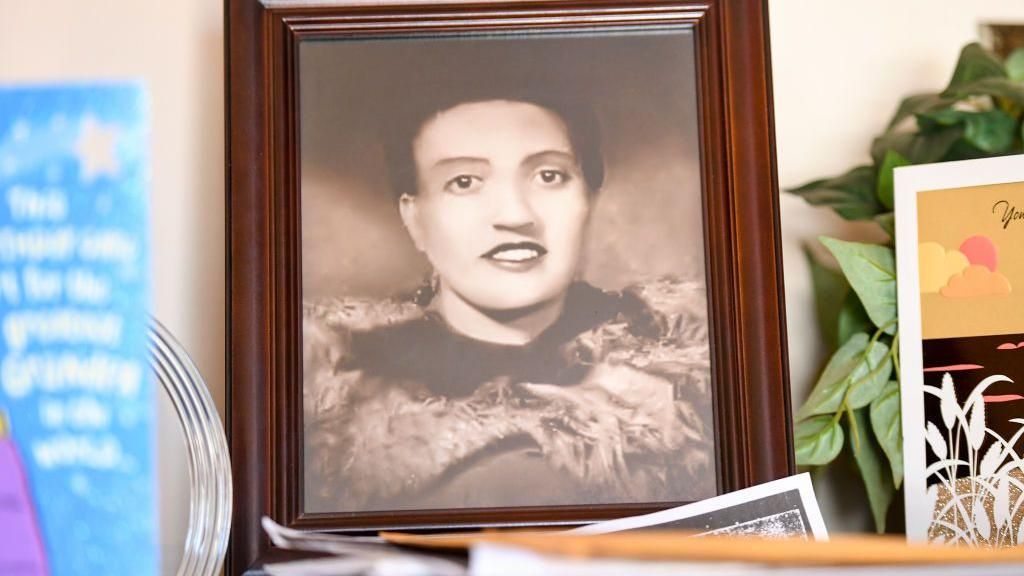
In a landmark resolution addressing one of medical history’s most profound ethical controversies, the descendants of Henrietta Lacks have secured a confidential settlement with Swiss pharmaceutical giant Novartis. This agreement concludes legal allegations that the corporation commercially exploited biological materials obtained without consent from the African American cancer patient in 1951.
The case centers on what became known as HeLa cells—named using Lacks’ initials—which demonstrated unprecedented biological properties. Unlike typical cell cultures that perish rapidly under laboratory conditions, these specimens exhibited continuous replication capabilities, achieving scientific immortality. This extraordinary characteristic enabled global research laboratories to conduct reproducible experiments using genetically identical cell lines, fundamentally transforming modern medical research.
Medical historians recognize HeLa cells as instrumental in numerous breakthrough discoveries, including development of the polio vaccine, advanced cancer treatments, HIV research methodologies, and infertility studies. The World Health Organization has acknowledged their indispensable role in twentieth-century medical progress.
Tragically, the biological miracle emerged from profound personal suffering. Henrietta Lacks, a 31-year-old mother from Baltimore, underwent cervical cancer treatment at Johns Hopkins Hospital where physicians extracted tumor samples without her knowledge or authorization. She succumbed to the disease months later and was interred in an unmarked grave, never comprehending her unintended contribution to science.
For seven decades, Lacks’ descendants received no financial compensation or recognition while biotech firms generated enormous profits from commercial applications of HeLa cells. This settlement represents the family’s second successful legal action, following a previous confidential agreement with Massachusetts-based Thermo Fisher Scientific Inc. in 2021.
Prominent civil rights attorney Ben Crump, representing the Lacks family, characterized the resolution as delivering “some measure of justice” that acknowledges Henrietta Lacks’ stolen dignity while recognizing her unwitting contribution to global health advancements. Although specific financial terms remain undisclosed, family representatives expressed satisfaction with the outcome that finally provides tangible recognition after generations of struggle.
Several parallel lawsuits against additional pharmaceutical companies remain ongoing as the medical community continues grappling with ethical questions surrounding biological material ownership and informed consent protocols.