The UK Health Security Agency (UKHSA) has escalated travel health advisories for Cape Verde following a significant outbreak of gastrointestinal infections that have affected British tourists. Official data reveals 118 confirmed cases of shigellosis and 43 instances of salmonella poisoning linked to visits to the West African archipelago since October, with four British nationals having died within months of contracting these illnesses during their holidays.
This health alert emerges strategically ahead of the February half-term break, a period when substantial numbers of UK travelers traditionally seek winter sun in Cape Verde’s typically warm 25°C climate. Both shigella and salmonella are serious bacterial infections targeting the intestinal system, producing severe symptoms including acute diarrhea, high fever, and abdominal cramps. While most healthy individuals recover within several days, vulnerable populations—particularly young children, elderly adults, pregnant women, and immunocompromised individuals—face potentially life-threatening complications.
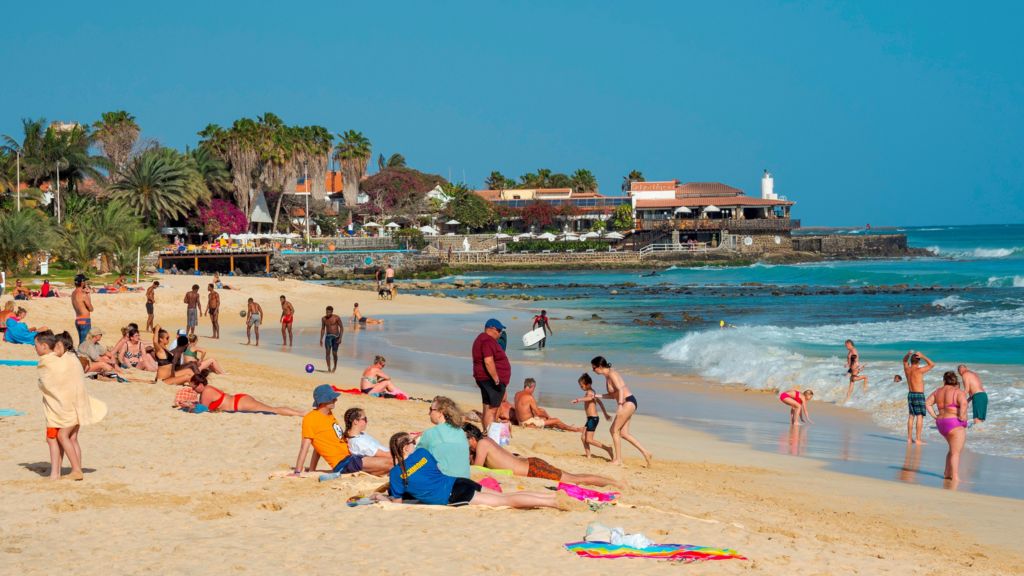
Transmission occurs primarily through fecal-oral routes, either via direct person-to-person contact or indirectly through contaminated food, water, or surfaces. UKHSA epidemiological tracing indicates the majority of shigella cases originated from the Santa Maria resort area on Sal Island and Boa Vista, the archipelago’s easternmost island.
Medical experts emphasize preventive measures including consuming only freshly prepared, thoroughly cooked foods served hot; drinking bottled or boiled water while avoiding ice; using purified water for dental hygiene; personally peeling all fruits; and avoiding salads potentially washed in contaminated water. Dr. Gauri Godbole, UKHSA’s deputy director for gastrointestinal infections, stressed that ‘taking simple precautions against traveler’s diarrhoea can make all the difference,’ highlighting meticulous hand hygiene with soap or alcohol gel as the primary defense mechanism.
Professor Damien Tully of the London School of Hygiene and Tropical Medicine noted that such outbreaks are ‘not unusual in busy hospitality settings,’ particularly identifying buffet-style catering as potential ‘breeding grounds’ for pathogens.
The human impact includes four documented British fatalities in 2023: Mark Ashley (55, Bedfordshire), Elena Walsh (64, Birmingham), Karen Pooley (64, Gloucestershire), and an unnamed 56-year-old Watford man. These individuals are among six British tourists who died after vacationing in Cape Verde since January 2023, with all families now pursuing personal injury litigation against package holiday giant Tui. Relatives have reported concerning hygiene standards at resorts, though Tui has acknowledged investigating these claims while refraining from detailed commentary during active legal proceedings.
Compounding the situation, Hurricane Erin’s August strike damaged critical water and sanitation infrastructure across Cape Verde, prompting World Health Organization assessments warning of elevated disease risks from contaminated water and insect vectors.