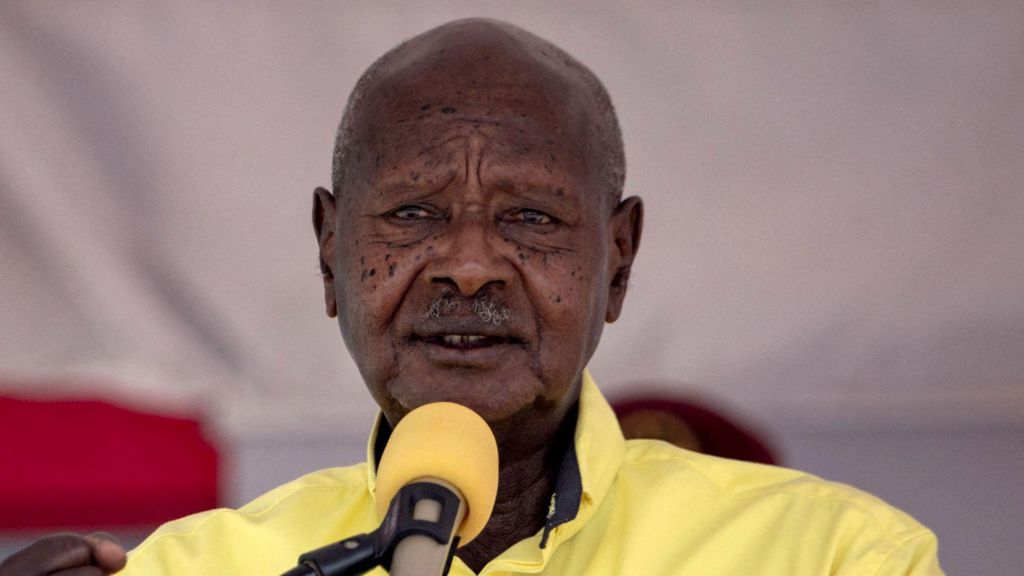
President Yoweri Museveni’s remarkable 38-year tenure continues to define Uganda’s political landscape, with over three-quarters of the population having never experienced alternative leadership. The 81-year-old leader, who assumed power through armed rebellion in 1986, maintains firm control despite growing international concern about democratic backsliding.
Museveni’s administration has delivered notable achievements including sustained economic growth averaging over 6% annually for a decade, doubled primary school enrollment, and successful HIV/AIDS mitigation programs. These developments initially positioned him as a favored partner among Western nations. However, his governance approach has increasingly drawn criticism for systematically undermining democratic institutions and political opposition.
The constitutional landscape has evolved significantly during Museveni’s rule. In 2005, term limits were abolished, followed by the 2017 elimination of presidential age restrictions—a controversial move that sparked violent parliamentary clashes. These changes have effectively paved the way for potential lifelong presidency.
Opposition figures face severe challenges under Museveni’s regime. Dr. Kizza Besigye, the president’s former personal physician turned political rival, has endured repeated arrests and prosecutions since first challenging Museveni in 2001. Most recently, he mysteriously disappeared in Nairobi only to reappear in Ugandan military custody. Contemporary opposition leader Bobi Wine, leveraging his celebrity status to mobilize youth support, has faced similar persecution including treason charges and violent suppression of his gatherings.
International observers have documented concerning patterns of state violence. United Nations reports indicate security forces routinely employ live ammunition against peaceful assemblies and utilize unmarked vehicles for abductions. The judiciary faces allegations of compromised independence through the appointment of ‘cadre judges’ loyal to the administration.
The president’s family has assumed prominent roles within government structures. First Lady Janet Museveni serves as Education Minister while their son General Muhoozi Kainerugaba commands the military. The recent enlistment of Museveni’s grandson has further fueled concerns about dynastic succession planning.
Despite these developments, Museveni’s supporters highlight Uganda’s relative stability and humanitarian contributions. The nation currently hosts approximately 1.7 million refugees fleeing regional conflicts—a dramatic reversal from Uganda’s historical role as a refugee exporter. The administration continues pursuing foreign investment partnerships with China, the UK, and UAE as part of its Vision 2040 development strategy.
As Museveni campaigns for a seventh term, he maintains his signature blend of paternalistic rhetoric—referring to young supporters as ‘Bazukulu’ (grandchildren)—and demonstrations of physical vitality. However, questions about succession planning and democratic integrity continue to overshadow his legacy of stability and development.