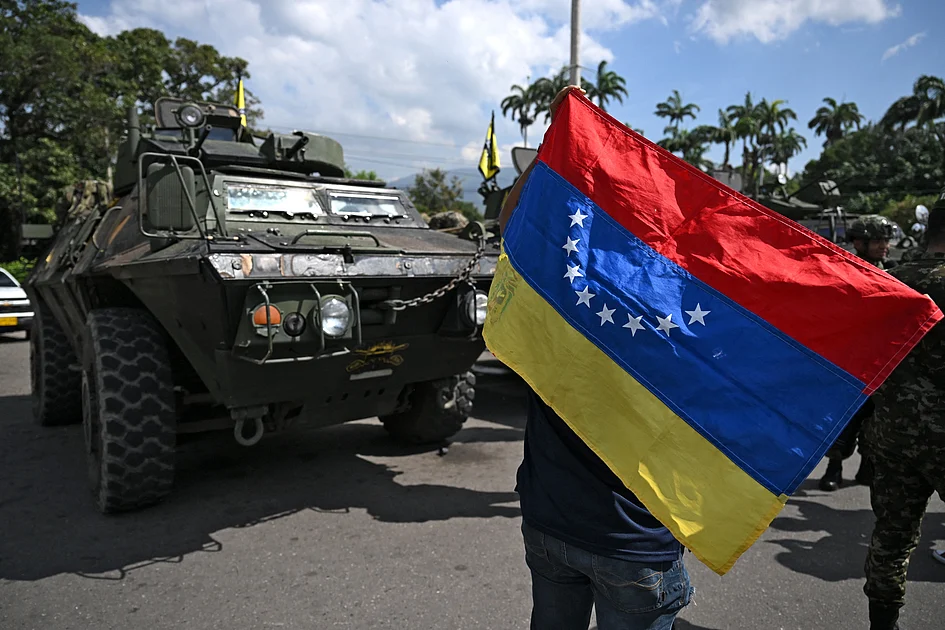
Venezuelan nationals residing in the United Arab Emirates have exhibited profoundly mixed reactions to the reported capture of President Nicolás Maduro by US military forces. The development has exposed deep fractures within the diaspora community, reflecting the polarized political landscape of their homeland.
Alonso Morales, a 50-year-old former military officer now based in the UAE, described witnessing the news with overwhelming emotion. “We have been waiting for this moment for 25 years,” Morales stated, his voice trembling with intensity. Having departed Venezuela due to systematic political persecution, Morales recounted how his family members faced imprisonment and constant surveillance under successive administrations. He detailed how his educational background and intellectual capacity marked him as a subversive threat within the military hierarchy, ultimately compelling his exile.
Conversely, music educator Glenangel Carrera articulated feelings of euphoric disbelief upon learning of Maduro’s apprehension. “This represents the initial stride toward justice and dismantling the regime,” Carrera expressed, though simultaneously acknowledging her conflicting emotions. Having emigrated in 2017 due to deteriorating economic and social conditions, she emphasized the severe consequences activists faced under Maduro’s governance, including arbitrary detention and lethal retaliation.
Not all responses have been celebratory. Significant segments of the Venezuelan community, particularly government loyalists, have condemned the operation as an unlawful foreign intervention. These individuals have voiced apprehensions that Maduro’s capture could precipitate heightened instability, potentially triggering violent reprisals or creating a dangerous power vacuum.
Regional analysts have characterized this unprecedented action against a sitting head of state as a dramatic shift in US foreign policy doctrine. Experts caution that this intervention may establish concerning precedents in international law while potentially exacerbating regional tensions and internal Venezuelan conflicts, rather than facilitating peaceful resolution.