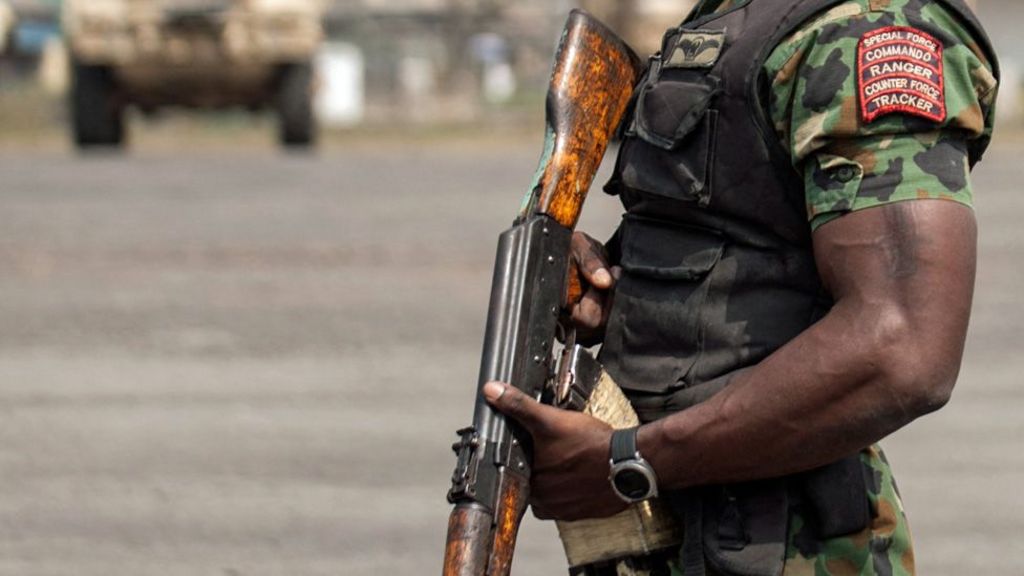
In a devastating escalation of violence, unidentified gunmen have launched a brutal assault on the neighboring villages of Nuku and Woro in Nigeria’s western Kwara State, resulting in significant casualties and widespread destruction. Local authorities report that attackers systematically torched homes, commercial establishments, and even the residence of the traditional leader, forcing mass displacement of residents.
The precise death toll remains contested amid ongoing recovery operations. While local legislator Saidu Baba Ahmed confirmed at least 30 fatalities, Red Cross official Babaomo Ayodeji provided AFP with a substantially higher figure of 162 casualties, noting that search efforts for additional victims continue. The whereabouts of the community’s traditional monarch remain unknown following the Tuesday evening attack that commenced at approximately 17:30 local time.
Kwara police spokesperson Adetoun Ejire-Adeyemi attributed the assault to suspected bandits—criminal elements notorious for looting and kidnappings for ransom—marking concerning geographical expansion of their operations from traditional northwest strongholds into central regions.
This tragedy coincides with Nigeria’s defense ministry confirming the presence of American military personnel within the country—the first official acknowledgment since former President Donald Trump’s November directive to prepare for operations against Islamist militants. Defense Minister Christopher Musa clarified that the limited US contingent focuses on intelligence support and training, though specifics regarding deployment size, timing, location, and duration remain undisclosed.
The development follows statements by US Africa Command’s General Dagvin Anderson, who characterized the deployment as response to Nigerian requests for specialized capabilities. ‘Our partnership with Nigeria exemplifies collaboration with a willing and capable partner seeking unique US capabilities,’ Anderson noted Tuesday.
Kwara State Governor AbdulRahman AbdulRazaq interpreted the violence as retaliatory action for recent counter-terrorism successes, with his office stating the attack aimed to ‘distract security forces who have successfully neutralized several terrorist and kidnapping gangs.’
Simultaneously, northeastern Borno State experienced parallel violence as suspected Boko Haram militants killed 17 individuals in coordinated attacks. Security analysts note concerning convergence between criminal banditry and ideological extremism, with some jihadists—potentially Boko Haram splinter factions—conducting targeted killings while utilizing motorcycle mobility to attack markets and community protection groups.
US-Nigerian security cooperation has intensified significantly following Christmas Day airstrikes against Islamist militant camps in northwestern Nigeria—operations approved by President Bola Tinubu and involving Nigerian forces. The White House had previously pressured Nigeria to enhance security protections for Christian communities amid Trump’s controversial ‘Christian genocide’ allegations, which the Nigerian government vehemently rejected citing equal victimization across religious demographics.
Recent weeks have witnessed intensified military operations against armed groups, including Sunday’s announcement of a senior Boko Haram commander and ten militants neutralized in Borno state. The US delivered critical security equipment to Nigerian forces last month, though military officials clarified these were previously purchased assets for counter-insurgency campaigns.