The Gulf Cooperation Council (GCC) region is undergoing a profound transformation in its tourism strategy, shifting from large-scale urban developments to curated, experience-driven hospitality offerings. This strategic evolution marks a significant departure from the region’s previous focus on skyscrapers and mega-projects toward immersive, authenticity-focused travel experiences.
Economic indicators demonstrate the sector’s accelerating growth trajectory. Travel and tourism contributed approximately $247 billion to GCC GDP in 2024, representing a 32% increase over 2019 levels. Projections indicate this figure will reach $371.2 billion by 2034, accounting for 13.3% of the region’s total economy. Visitor spending shows parallel growth, expected to climb from $135-136 billion in 2023 to $224 billion within the next decade.
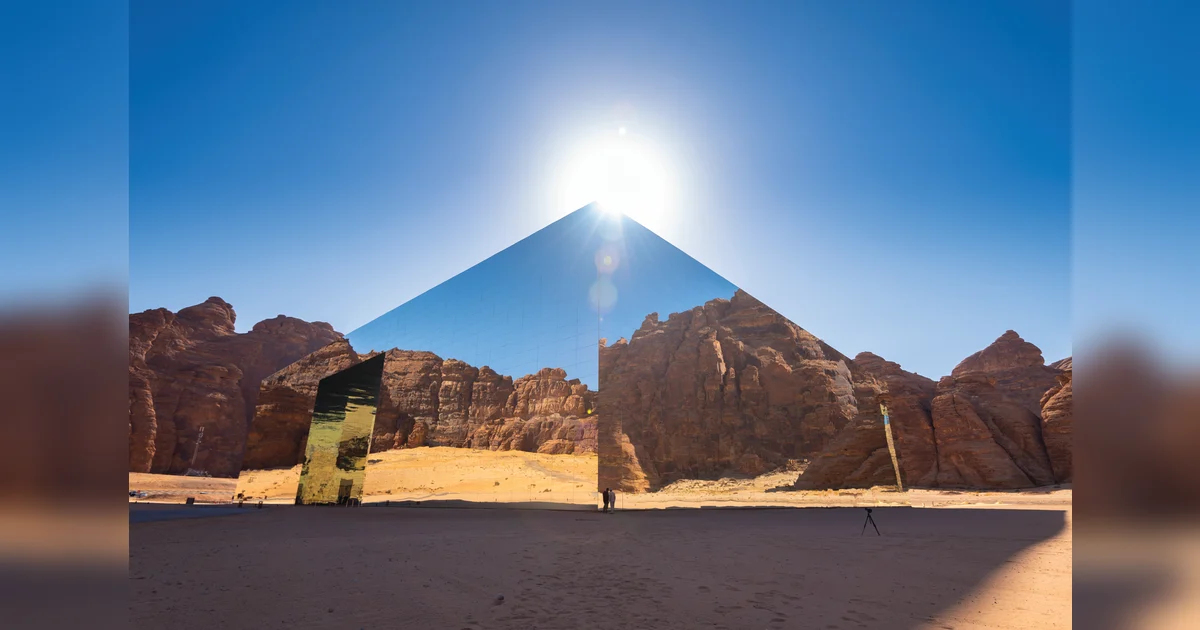
Saudi Arabia’s AlUla region exemplifies this ‘slow luxury’ approach, positioning itself as a high-yield niche destination rather than pursuing mass tourism. The Royal Commission for AlUla reports hosting over 260,000 visitors in 2023—a 40% year-on-year increase—with targets set for two million annual visitors by 2035. Development focuses on eco-conscious properties like Habitas AlUla and Banyan Tree AlUla, featuring tented villas and canyon-view suites that prioritize heritage preservation.
The architectural marvel Sharaan Resort, designed by Jean Nouvel within the Sharaan Nature Reserve, will incorporate 38 rock-carved suites alongside wellness facilities, representing a groundbreaking approach to landscape-integrated architecture.
Ras Al Khaimah and Oman are capitalizing on their natural landscapes to establish themselves as premier outdoor destinations. Ras Al Khaimah achieved record tourism in 2024 with 1.28 million visitors and 12% revenue growth, while Oman welcomed approximately 4 million international visitors, generating $5.5 billion in tourism revenue. Both destinations are developing mountain lodges, desert camps, and sustainable beach resorts that cater to adventure tourism and wellness-seeking travelers.
Qatar has successfully transitioned from an events-focused market to a cultural tourism destination, surpassing five million visitors in 2024—a 25% increase over 2023. The country’s strategy integrates cultural landmarks like the Museum of Islamic Art with island-based resorts such as Rixos Premium Qetaifan Island North, which combines luxury accommodations with waterpark facilities and private beaches.
This tourism evolution represents a fundamental component of Gulf economic diversification strategies. The sector is projected to generate 1.3 million new jobs by 2034, with intra-GCC tourism growing significantly—19.3 million tourists traveled within the bloc in 2024, constituting over 25% of all international visitors to GCC states. The proposed unified GCC tourism visa and improved connectivity将进一步 enhance regional tourism integration, enabling multi-destination itineraries that combine cultural, mountain, and coastal experiences across Gulf nations.