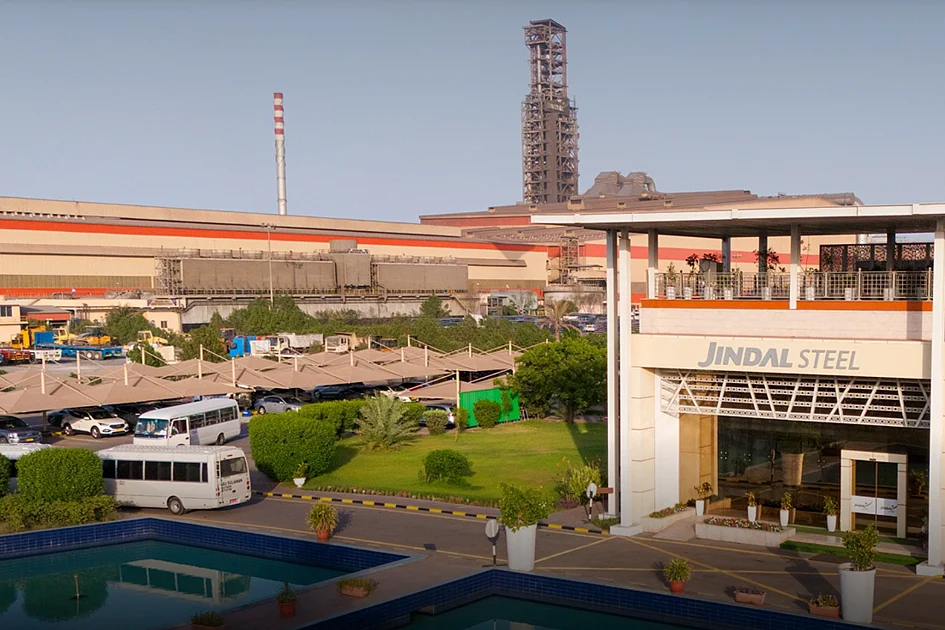
The Gulf steel industry is undergoing a significant transformation, driven by decarbonization efforts, rising infrastructure demands, and the strategic integration of mining and manufacturing value chains. As global iron ore flows and pricing trends evolve, regional producers are leveraging advanced technology, renewable energy, and backward integration to establish themselves as leaders in low-carbon steel production. In 2025, global seaborne iron ore loadings reached 1.247 billion metric tonnes, remaining virtually unchanged year-on-year, with Australia and Brazil accounting for nearly 78% of the total volume. China continues to dominate as the primary importer, receiving 74% of global shipments. This concentration highlights the need for Gulf producers to diversify sourcing and secure raw materials amidst volatility caused by carbon-adjusted costs and trade measures like the EU’s Carbon Border Adjustment Mechanism (CBAM). The global iron ore market is projected to grow from $290 billion in 2024 to $397 billion by 2032, reflecting a 4% compound annual growth rate (CAGR), though price fluctuations are expected to persist. Gulf steelmakers are capitalizing on competitive access to raw materials, the region’s energy cost advantages, and modern Direct Reduced Iron (DRI) and Electric Arc Furnace (EAF) technologies to produce low-carbon steel at scale. Major projects, such as Oman’s Vulcan Green Steel and Saudi Arabia’s Essar Group facility at Ras Al-Khair, exemplify this strategic shift. Producers are also recalibrating operations to meet sustainability goals without compromising competitiveness. Mineral Technologies Group (MTG) is pioneering hydrogen-fueled direct ore-to-metal routes and cost-effective solutions for processing lower-grade ores. Jindal Steel Oman is embedding sustainability into its strategy through efficiency, technology, and community engagement, with significant investments in renewable energy and hydrogen-ready steel complexes. The Gulf’s push to integrate mining and downstream metallurgical value chains is reshaping its industrial landscape, supported by policy frameworks like Saudi Arabia’s Vision 2030, which allocates $186.5 billion for renewables. Digital transformation is further enhancing competitiveness, with predictive analytics and AI-driven maintenance improving equipment uptime by 20–25%. With $2.5 trillion in GCC infrastructure investments planned by 2030, the Gulf steel industry is poised to become a global hub for sustainable industrial production, turning the green challenge into a competitive advantage.
Gulf steel industry accelerates green transition amid global supply chain shifts