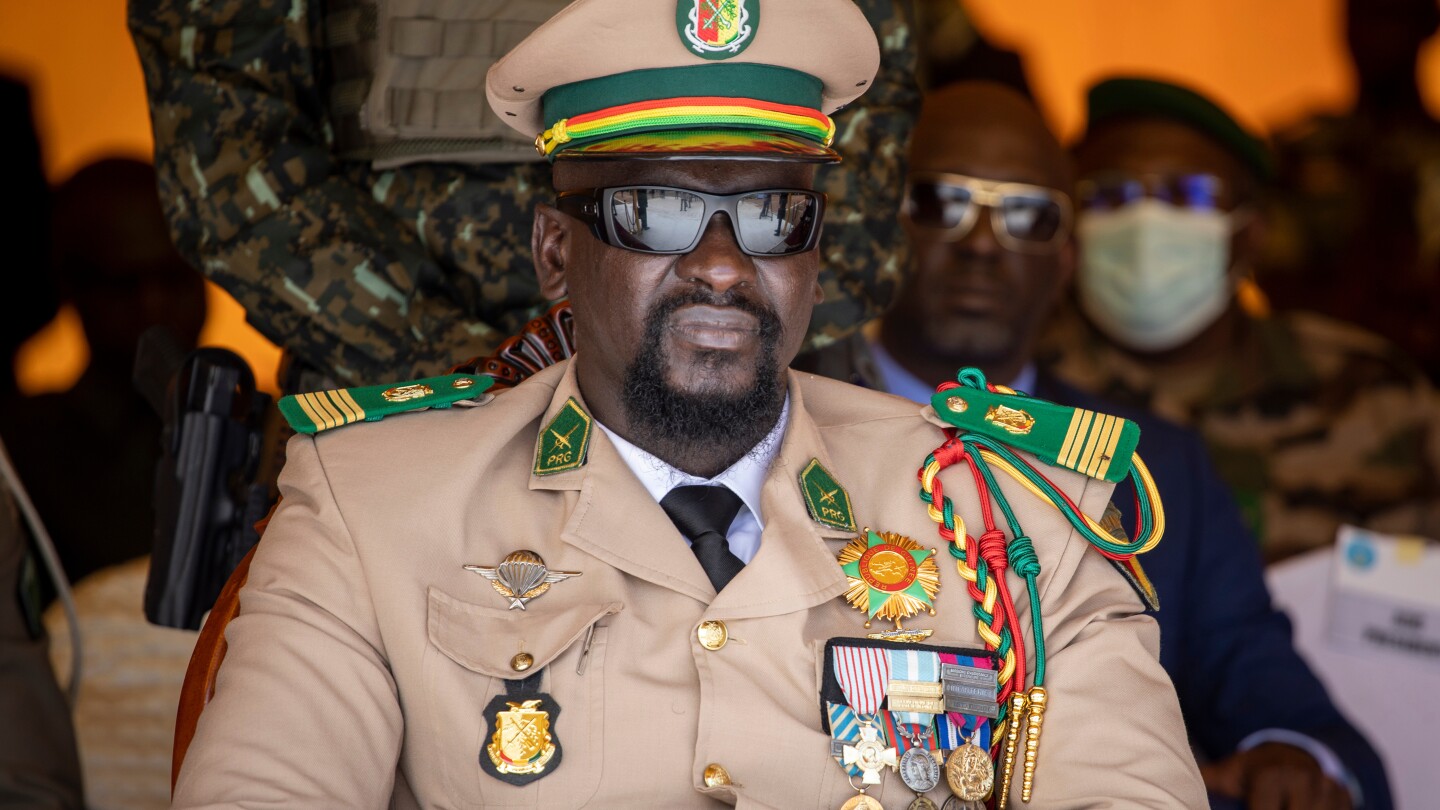
DAKAR, Senegal — Guinea prepares for a watershed moment in its political history as citizens head to the polls Sunday for the nation’s first presidential election since the 2021 military coup. Junta leader General Mamadi Doumbouya emerges as the overwhelming favorite in an electoral process critics describe as fundamentally compromised.
The West African nation joins a troubling regional pattern where military leaders have seized power across ten African countries since 2020, often subsequently legitimizing their rule through elections. Since overthrowing President Alpha Condé four years ago, General Doumbouya has systematically suppressed major opposition voices and dissent, creating a political landscape with no formidable challengers to his seven-year term aspirations.
Despite Guinea’s status as the world’s leading exporter of bauxite—a crucial mineral for aluminum production—the country faces severe socioeconomic challenges. The World Food Program reports over half of Guinea’s 15 million population experiences unprecedented poverty and food insecurity levels.
Approximately 6.7 million registered voters will cast ballots across 24,000 polling stations nationwide, with preliminary results anticipated within 48 hours. The West African regional bloc ECOWAS has deployed election observers to monitor the process.
A significantly weakened opposition field features nine candidates, with Doumbouya’s most prominent challenger being relatively unknown figure Yero Baldé from the Democratic Front of Guinea party. Notable exclusions on technical grounds include former prime minister Lansana Kouyaté and former minister Ousmane Kaba, while established opposition leaders Cellou Dalein Diallo and Sidya Toure remain in exile.
The election occurs under a new constitutional framework approved in a September referendum that opposition parties urged voters to boycott. This revised constitution notably eliminated the prohibition on military leaders seeking office and extended presidential mandates from five to seven years.
Alioune Tine, founder of West African political think tank Afrikajom Center, expressed skepticism: “This is an election excluding principal opposition leaders occurring within a heavily restricted civic space. The vote primarily serves to legitimize Doumbouya’s consolidation of power.”
This sentiment resonates with citizens like Conakry restaurant owner Mamadou Bhoye Diallo, who dismissed the election as a “farce” and questioned the integrity of a process where “a candidate simultaneously serves as referee.”
Human rights organizations document concerning patterns since the coup, including silenced civil society leaders, abducted critics, and press censorship. Authorities previously dissolved over 50 political parties in what they described as “cleaning up the political chessboard” despite widespread condemnation.
Nevertheless, Doumbouya maintains substantial popular support, particularly among citizens who endorse his vision for national prosperity. His campaign emphasizes infrastructure developments and reforms implemented during his four-year tenure, including digital skills training programs that have resonated with younger voters.
The junta’s showcase project is the Simandou mining operation—the world’s largest iron ore deposit, 75% Chinese-owned—which commenced production last month after decades of delays. Authorities position this mega-project as an economic transformation cornerstone, with an associated national development plan promising tens of thousands of jobs across agriculture, education, transport, technology, and healthcare sectors.
Doumbouya’s campaign has dominated Guinea’s political landscape through massive rallies and extensive media coverage, with state media and administrative resources providing him decisive advantages over underfunded rivals.